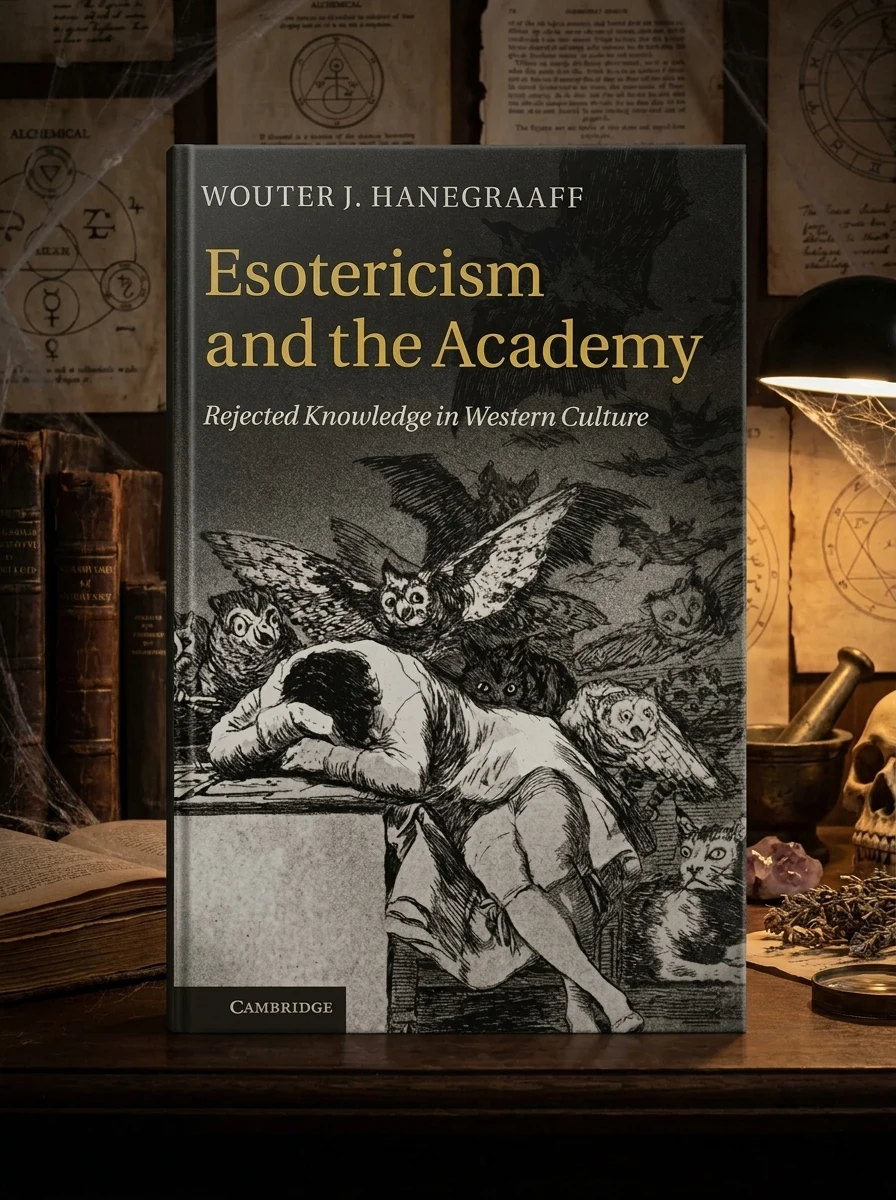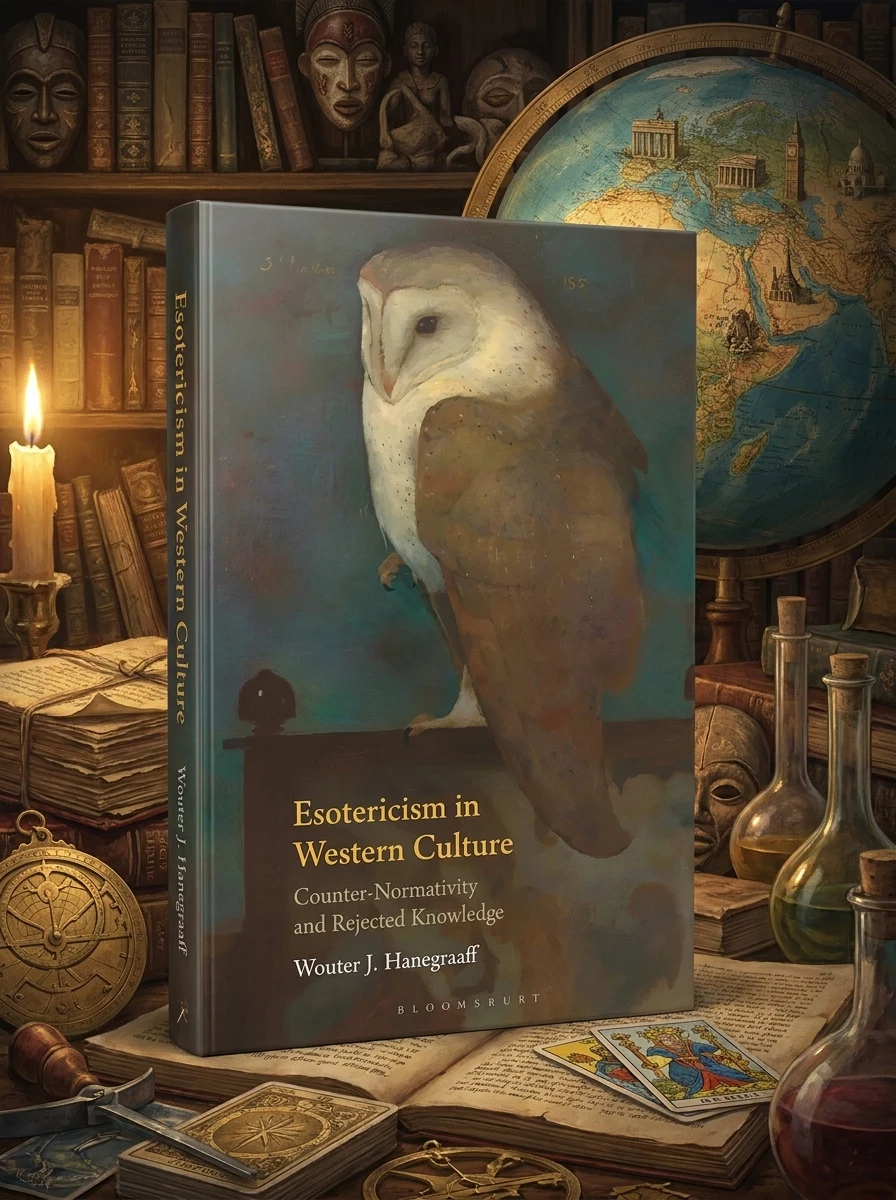
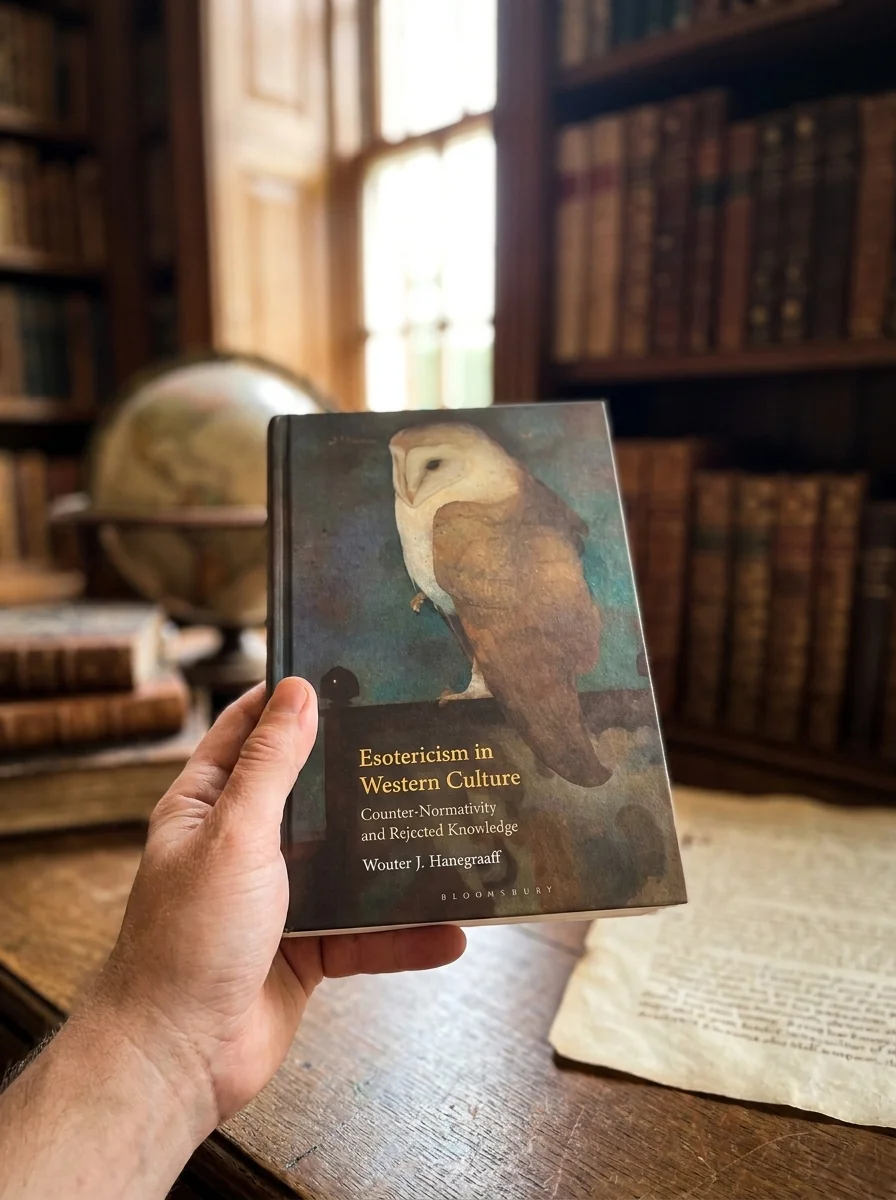
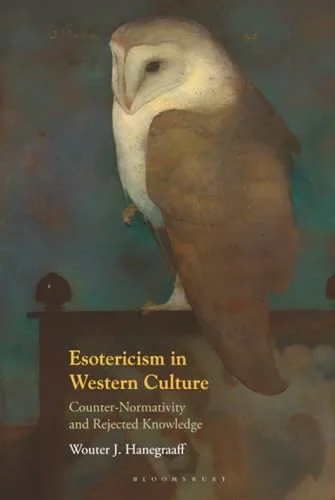
Esotericism in Western Culture: Counter-Normativity and Rejected Knowledge
✍️ Hanegraaff, Wouter JWouter J. Hanegraaff, a preeminent scholar, challenges the perception of esotericism as a fringe topic, arguing instead for its central role in understanding Western culture. This essential update to his foundational work reveals how the systematic exclusion of "rejected knowledge" stems from a narrow Eurocentric viewpoint, deeply intertwined with colonial-era narratives that demonized non-normative spiritualities as "superstition." By dismantling this rejection, Hanegraaff advocates for reintegrating these suppressed traditions, offering a profoundly inclusive historical lens that spans from ancient paganism through Abrahamic faiths to contemporary secular thought.


Praise for this book
“[This book] establishes itself as an indispensable reference. It redefines the way of envisaging the history of Western thought, by reintegrating the occulted traditions and by unveiling the logics of exclusion that have shaped our modernity ... the work goes beyond the academic framework: it invites one to rethink Western culture in the light of what it has chosen to forget.”
“Esotericism in Western Culture is a repository of treasures. Around the encyclopedic history of esotericism that is central to the book lie fascinating discussions of related issues, exoteric as well as esoteric. Both a journey of exploration and a reference work, this book is clearly written and extremely readable.”
“Hanegraaff's introduction is almost encyclopedic in its comprehensiveness, and this book bids fair not just to supplant its earlier iteration but to function as an entrance gate for anyone interested in the study of esotericism as a 'highly pluralistic field of scholarly research'.”
📝 Description: Esotericism in Western Culture: Counter-Normativity and Rejected Knowledge
📑 What's inside
- Introduction
- 1 What do we mean by Esotericism?
- 2 A Short History of Rejected Knowledge
- 3 Internal Eurocentrism
- 4 Worldviews
- 5 Knowledge
- 6 Practice
- 7 Modernization
- 8 Esoteric Transdisciplinarity
- 9 The Importance of Esotericism
- Appendix 1: Glossary of Technical Terms
- Appendix 2: Sources and Resources
- Bibliography
- Index of Names
- Index of Subjects
💎 Expert review
📖 Why choose it
Why this book is worth reading
Readers deeply interested in the hidden architectures of Western thought will find this text indispensable. Hanegraaff invites you to look past the dismissed fringes and see how suppressed spiritualities shaped the mainstream narrative. If you are weary of narrow, colonial-era perspectives that labeled diverse traditions as mere superstition, this book offers a profound corrective. It is for those who wish to understand the continuous current of esoteric ideas from ancient paganism through Abrahamic faiths to modern secularism. By reintegrating these marginalized voices, you gain a more inclusive and accurate lens through which to view history. This is not just academic exercise; it is an invitation to reclaim a richer, more complex understanding of our shared intellectual heritage.
⭐ Reader reviews
Reader rating
Hanegraaff delivers a rigorous dismantling of the Eurocentric frameworks that have long marginalized esoteric traditions. The text successfully argues for the centrality of 'rejected knowledge' in Western culture, offering a compelling case for re-evaluation. However, readers seeking accessible, narrative-driven history or practical magical instruction will likely find this dense academic treatise unengaging. It is strictly for those willing to grapple with complex theoretical arguments about colonialism and historiography. Those expecting a quick guide to occult practices should look elsewhere; this book demands patience and a willingness to confront uncomfortable truths about how knowledge has been systematically excluded from the Western canon.
❓ Frequently asked questions
📖 Who should read this
If you're eager to challenge conventional historical narratives and explore the often-ignored currents of Western spirituality and thought, this book is for you. It's an essential read for anyone seeking a deeper, more inclusive understanding of how our culture defines and dismisses knowledge.
🎯 Key themes and symbolism
Deconstructing "Rejected Knowledge"
This work meticulously unpacks how certain spiritual and intellectual traditions were deliberately sidelined and discredited by dominant Western narratives. Hanegraaff demonstrates that this "rejection" wasn't accidental but a calculated process, often serving colonial agendas and shaping our understanding of what constitutes legitimate knowledge versus mere superstition.
Esotericism's Core Role
Far from being a peripheral curiosity, Hanegraaff positions esotericism as a fundamental thread woven through the tapestry of Western intellectual history. He argues that its systematic exclusion from mainstream academic discourse has distorted our comprehension of cultural development, urging a re-evaluation of its significance within the humanities.
A Broader Western Canon
The book champions a radically expanded understanding of Western civilization, moving beyond conventional, often Eurocentric, boundaries. By embracing pagan, Jewish, Christian, and Islamic esoteric currents alongside secular developments, Hanegraaff constructs a more comprehensive and nuanced historical perspective, enriching our appreciation for the diverse spiritual landscape of the West.
📜 Historical context
📚 Glossary
- Esotericism
- Counter-Normativity
- Rejected Knowledge
📔 Questions to reflect on
- What "rejected knowledge" or counter-normative ideas have you encountered in your own cultural or historical understanding, and how have they been dismissed?
- How might a more inclusive historical perspective, embracing esoteric traditions, alter your view of Western civilization's development?
- Consider the power dynamics involved in defining what constitutes "legitimate" knowledge. Who benefits from the exclusion of certain traditions?