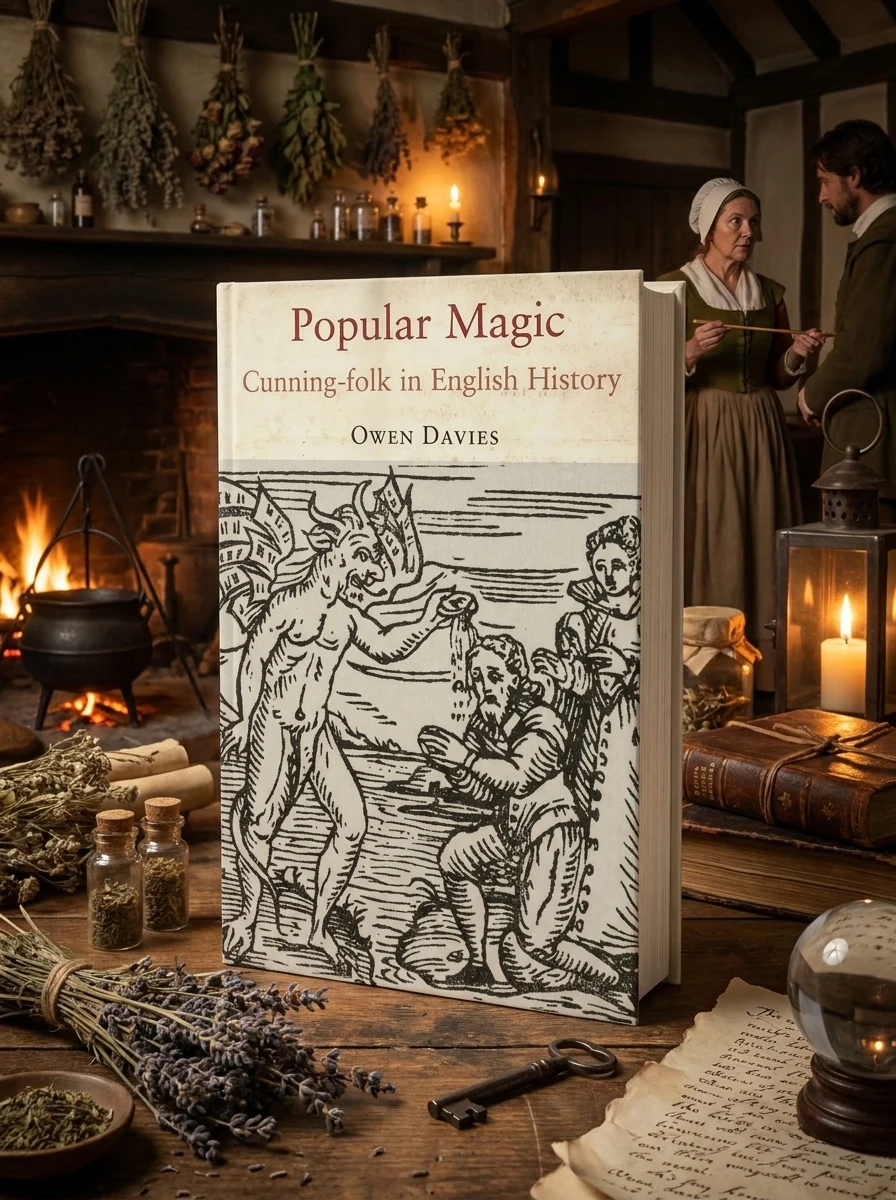

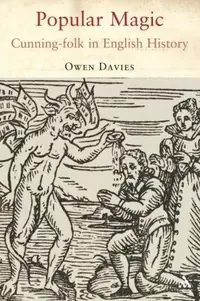
Popular Magic: Cunning-Folk in English History
Davies, OwenStock reported in the catalog; fulfillment is confirmed with your request.
Uncover the quiet magic of English cunning-folk, healers who bridged the gap between despair and hope.
Owen Davies rescues the cunning-folk from the shadows of witchcraft hysteria, revealing them as essential community pillars. These practitioners offered practical, localized remedies for mundane crises: locating lost goods, reversing misfortune, or kindling romantic sparks. Unlike the sensationalized narratives of maleficent witches, these figures operated with tacit societal approval, filling the void left by the absence of modern insurance or scientific certainty. This work illuminates how ordinary people navigated a precarious world through pragmatic, small-scale magical interventions that were both deeply personal and culturally significant.
This work sits within the scholarly tradition of historical occultism and social history, specifically examining the pragmatic folk practices of early modern England. It bridges the gap between academic historiography and accessible narrative non-fiction regarding vernacular magic.


📝 Description: Popular Magic: Cunning-Folk in English History
💎 Expert review
📖 Why choose it
Why this book is worth reading
Readers interested in the subtle, everyday mechanics of historical spirituality will find profound value here. Those tired of sensationalized witch-hunt narratives gain a nuanced perspective on how ordinary people navigated uncertainty without modern safety nets. The book appeals to sociologists and historians seeking to understand community resilience through localized remedies. It is essential for anyone curious about the pragmatic side of magic, offering insight into how healers bridged despair and hope. By focusing on the tacit approval these figures received, it reveals a more complex social fabric than previously acknowledged.
⭐ Reader reviews
Reader rating
Davies provides a necessary corrective to the demonized image of cunning-folk, presenting them as vital community pillars rather than malevolent witches. The analysis of their role in locating lost goods and romantic endeavors is both fascinating and culturally significant. However, readers seeking dramatic tales of high ceremonial magic or supernatural combat will find this work too grounded in mundane sociological reality. It is not suitable for those expecting occult manuals or sensationalist horror. Instead, it offers a quiet, scholarly exploration of how practical magic functioned as a social tool.
❓ Frequently asked questions
📖 Who should read this
Readers fascinated by the intersection of folklore and daily life, those interested in the sociology of magic, and anyone seeking to understand how pre-modern societies managed uncertainty without modern institutions.
🎯 Key themes and symbolism
Social History
Practical Magic
Community Dynamics
💬 Quotes from the book
“Cunning-folk were far more representative of magical practice than the arcane delvings of astrologers and necromancers.”
“In a world of uncertainty, before insurance and modern science, cunning-folk played an important role.”
📜 Historical context
📚 Glossary
- Cunning-folk
- Maleficent Witchcraft
- Tacit Approval
📔 Questions to reflect on
- How did your ancestors navigate uncertainty and crisis before the advent of modern insurance and scientific medicine?
- What modern services or figures fill the same social role as the cunning-folk in your community today?
- Where do you see the line between helpful folk wisdom and superstition in contemporary culture?
✍️ More books by this author Davies, Owen
All books by this author →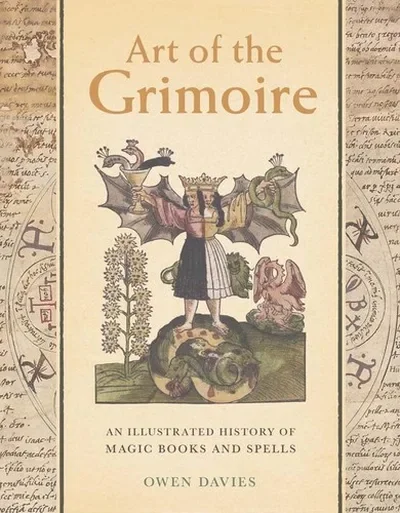
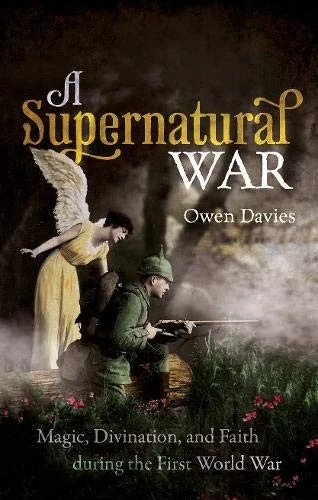
🏛 Books from this publisher Bloomsbury Academic
All books from this publisher →
You might also like
See more →
 85
85
 84
84
 91
91