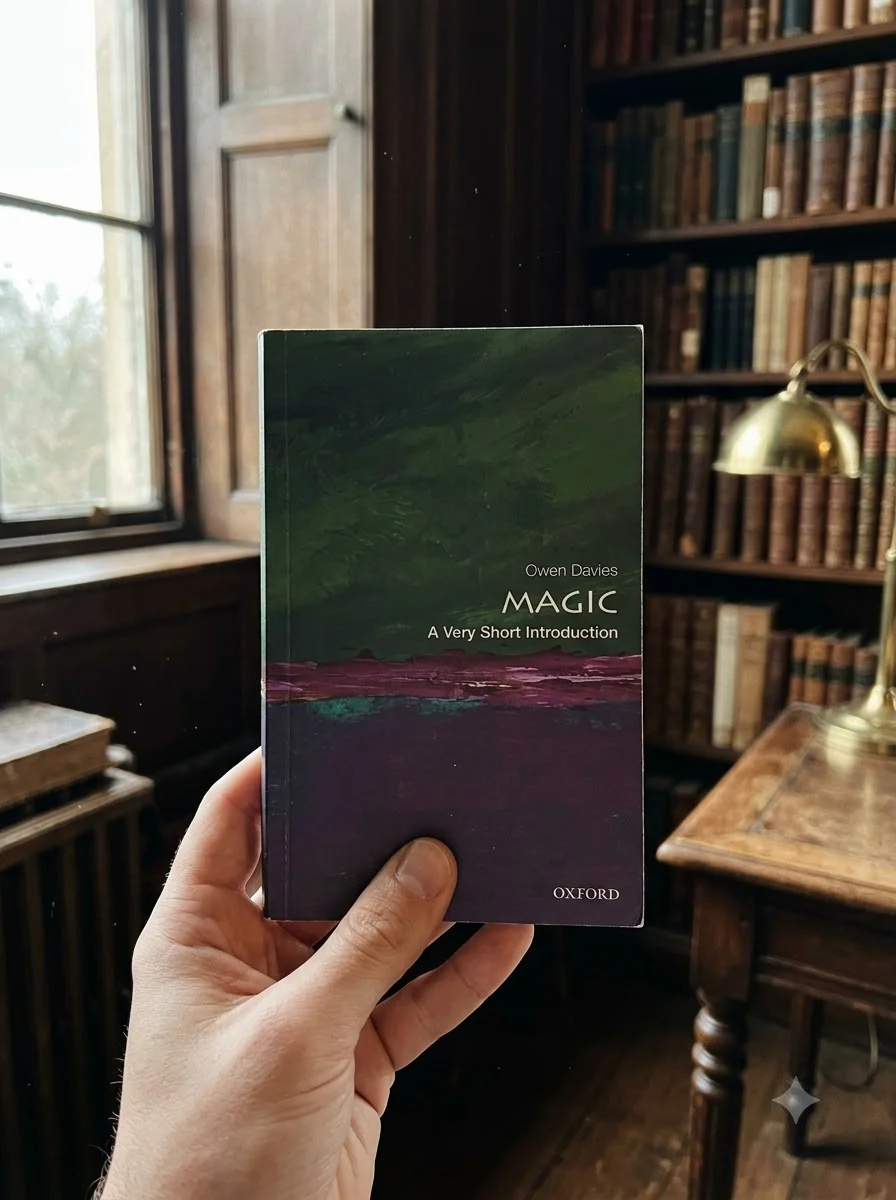
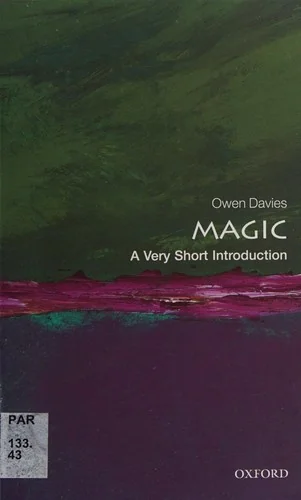
Magic: A Very Short Introduction Davies, Owen
✍️ Davies, OwenAn academic overview of magic as a historical concept and cultural practice.
Professor Owen Davies examines how magic developed as a controversial concept studied across multiple disciplines, including sociology, history, and anthropology. The text provides a concise academic introduction to the subject rather than a practical guide, detailing how theologians, artists, and psychologists interpreted mystical practices over time. Issued as a compact 160-page paperback by Oxford University Press, it situates witchcraft and historical magic within the broader field of social history and mysticism studies.
The book examines magic as a historical concept studied by theologians, sociologists, and historians over the centuries. It sits within the field of social history, drawing on broader scholarly perspectives on witchcraft, ghosts, and mysticism.


📝 Description: Magic: A Very Short Introduction Davies, Owen
💎 Expert review
📖 Why choose it
Why this book is worth reading
This volume is an essential primer for anyone seeking to grasp the profound cultural impact and intellectual debates surrounding magic as an enduring force throughout human civilization. It is particularly valuable for readers who wish to move beyond superficial stereotypes and understand how theologians, scholars of human behavior, and social scientists have grappled with magic's enigmatic presence across ages. Owen Davies skillfully navigates diverse interpretations, offering a concise yet comprehensive view that connects ancient rituals to contemporary perceptions. If you are curious about the multifaceted phenomenon of magic and its role in shaping our understanding of magical thought, this book provides the necessary context and clarity without overwhelming the reader with dense jargon.
⭐ Reader reviews
Reader rating
Owen Davies delivers a skillful navigation of magic’s diverse interpretations, making it an accessible guide for novices. However, it does NOT suit practitioners seeking actionable spellcraft or those expecting a defense of magical efficacy. It is strictly an intellectual history. Scholars looking for deep archival analysis may find the 'Very Short Introduction' format too superficial. The tone is appropriately detached and academic, prioritizing cultural context over mystical experience. Readers expecting a narrative of secret societies might find the broad sociological approach lacking in specific anecdotal depth. It is a solid overview, but not a substitute for specialized studies on specific traditions or periods within the occult.
❓ Frequently asked questions
📖 Who should read this
If you're curious about the intellectual history of magic, its cultural significance, and how various disciplines have sought to understand it, this book is for you. It's perfect for students, curious newcomers, or anyone wanting a scholarly yet accessible overview.
🎯 Key themes and symbolism
Historical Evolution of Magic
Davies meticulously charts magic's shifting definitions and societal roles throughout history. From ancient animistic beliefs to medieval alchemy and modern occult revivals, he reveals how cultural contexts have continually reshaped magical practices and their acceptance or condemnation across diverse civilizations.
Academic Perspectives on Magic
The book examines how diverse academic fields have approached the study of magic. It explores the insights offered by anthropologists into ritual, sociologists into belief systems, and psychologists into human experience, painting a rich interdisciplinary portrait of magic's study and its scholarly interpretations.
Magic's Societal Impact
Beyond its practical applications, Davies explores magic's profound influence on social structures, power dynamics, and ethical debates. He discusses how magical beliefs have both sustained and challenged societal norms, leading to periods of veneration, fear, and widespread persecution throughout history.
📜 Historical context
📚 Glossary
- Theology
- Anthropology
- Sociology
📔 Questions to reflect on
- How have your own cultural background or personal experiences shaped your understanding and perception of "magic" before reading this book?
- Consider a historical period or culture mentioned where magic played a significant role. How did its presence impact daily life and societal structures?
- Davies discusses various academic approaches to magic. Which disciplinary lens (e.g., anthropological, psychological, historical) do you find most compelling for its study, and why?