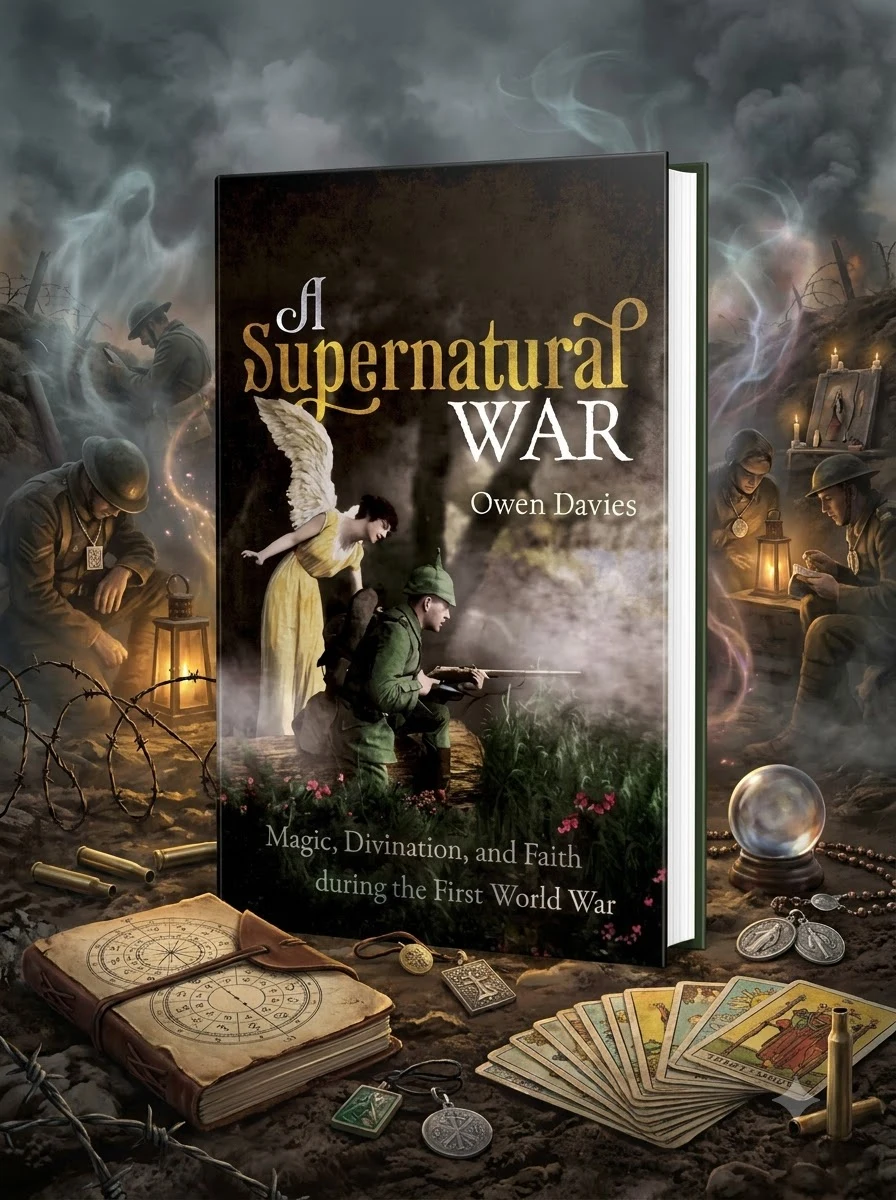
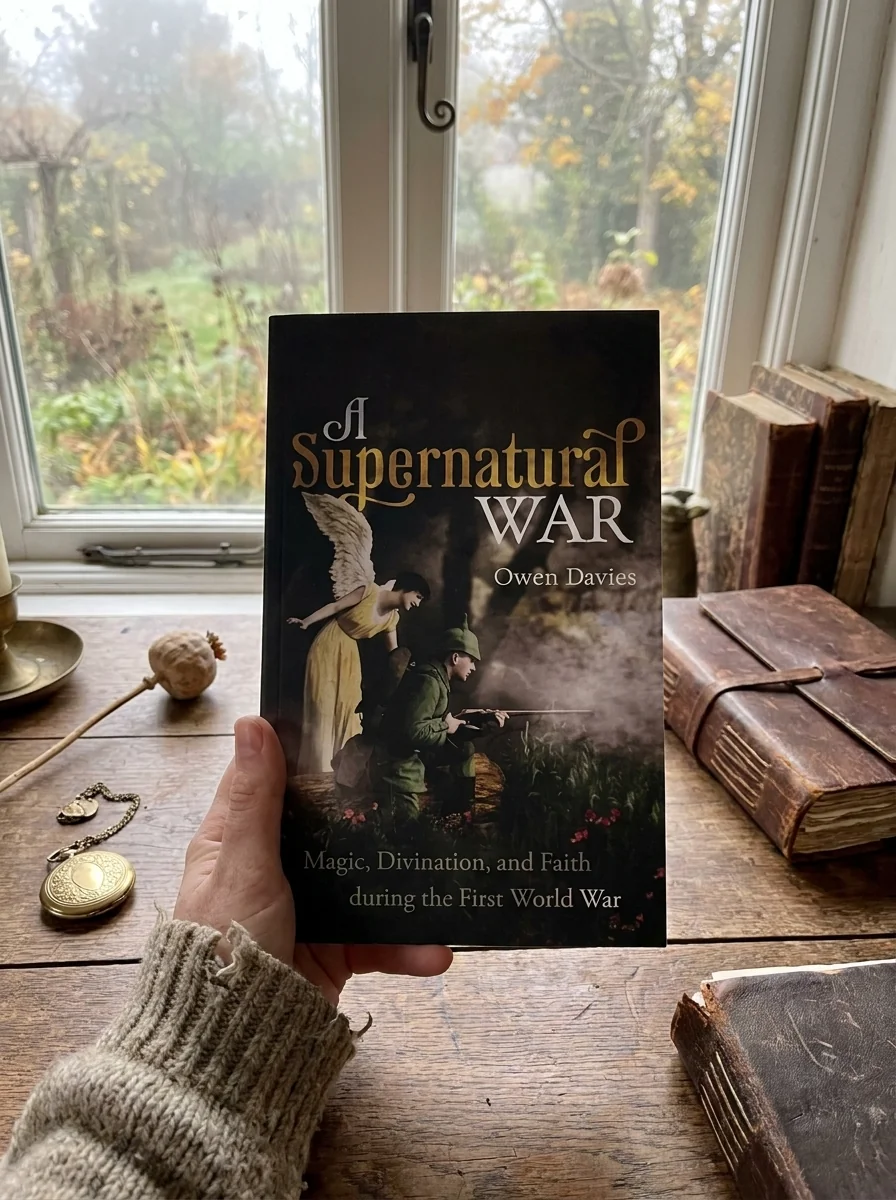
A Supernatural War: Magic, Divination, and Faith During the First World War
✍️ Davies, OwenOwen Davies masterfully reveals how the First World War ignited a fervent resurgence of esoteric and spiritual practices across society. From soldiers clutching talismans in the trenches to civilians consulting mediums for news of loved ones, this work explores the widespread reliance on the supernatural during an era of unprecedented crisis. It delves into the anxieties of religious institutions, the media's fascination with prophets, and the authorities' attempts to control burgeoning occult activity, offering a profound look at how societal upheaval shapes human belief systems in the face of the unknown.


Praise for this book
“Owen Davies notes that great conflicts invariably generate an upsurge of belief in the mystical, visionary and occult. In A Supernatural War Davies surveys, in remarkable detail, the range of such beliefs, from cheap pamphlets prophesying the coming war to the legend of the medieval archers known as the Angels of Mons to the lucky charms worn by Italian soldiers.”
“Well-documented with deep investigation into newspapers and magazines of the period, accounts by military veterans and chroniclers, and primary sources in German and French, Davies' work provides readers with an array of fervent reactions to the onslaught of mass warfare.”
“Owen Davies' A Supernatural War: Magic, Divination, and Faith during the First World War is a valuable contribution to the growing scholarship on religion, science, and magic that examines these discourses from the early modern period through the present day.”
📝 Description: A Supernatural War: Magic, Divination, and Faith During the First World War
💎 Expert review
📖 Why choose it
Why this book is worth reading
Readers fascinated by the intersection of history, psychology, and the occult will find this book deeply rewarding. It offers a unique lens through which to view the First World War, shifting focus from military tactics to the spiritual anxieties that permeated society. Those interested in how catastrophic events reshape belief systems, or who have wondered why rational minds turn to mediums and talismans during times of extreme trauma, will gain profound insight here. The book illuminates the human need for connection and control amidst chaos, making it essential for historians of religion and anyone exploring the dark undercurrents of early twentieth-century culture.
⭐ Reader reviews
Reader rating
Davies provides a meticulously researched account of how faith and magic intertwined with the Great War, revealing a hidden spiritual battlefield. While compelling for those interested in the sociology of belief and the history of esotericism, this text may not suit readers seeking purely military histories or those skeptical of supernatural claims. It is particularly valuable for understanding the media's role and institutional anxieties of the era. However, casual readers looking for straightforward battle narratives might find the focus on divination and faith too specialized. It is a scholarly yet accessible exploration of how societal upheaval drives people toward the unknown.
❓ Frequently asked questions
📖 Who should read this
If you're fascinated by the intersection of social history, wartime psychology, and the esoteric, this book offers a unique lens. Readers interested in how profound societal crises reshape belief systems will find this an essential and thought-provoking read.
🎯 Key themes and symbolism
Wartime Spiritual Resurgence
Davies illustrates how the immense trauma of WWI spurred a dramatic uptick in what was then deemed 'superstitious' behavior. He examines the widespread adoption of magical charms, divination, and spiritualist practices by ordinary people seeking protection, comfort, or insight amidst the chaos of conflict, demonstrating a profound societal turn towards the mystical.
Societal Reactions to Occultism
The book meticulously details the varied responses to this spiritual revival. It explores the alarm expressed by established churches, the sensationalist coverage by the international press, and the attempts by governmental authorities to suppress fortune-tellers and mediums, highlighting the tension between traditional institutions and burgeoning popular belief systems during wartime.
The Psychology of Belief
Davies delves into the underlying psychological factors that drove individuals and communities to embrace magic and spiritualism. He analyzes how the intense stress of combat, the grief for lost loved ones, and the overwhelming uncertainty of the era fostered a desperate need for meaning, control, and connection with the unseen, shaping collective consciousness.
📜 Historical context
📚 Glossary
- Talisman
- Mediumship
- Divination
📔 Questions to reflect on
- How might extreme societal stress, like a world war, alter an individual's personal belief system or openness to the 'supernatural'?
- Consider contemporary global crises: Do you observe similar patterns of seeking solace or answers in non-traditional spiritual or magical practices today?
- Reflect on the tension between official institutions (church, state) and popular belief during times of crisis. What does this reveal about authority and human agency?