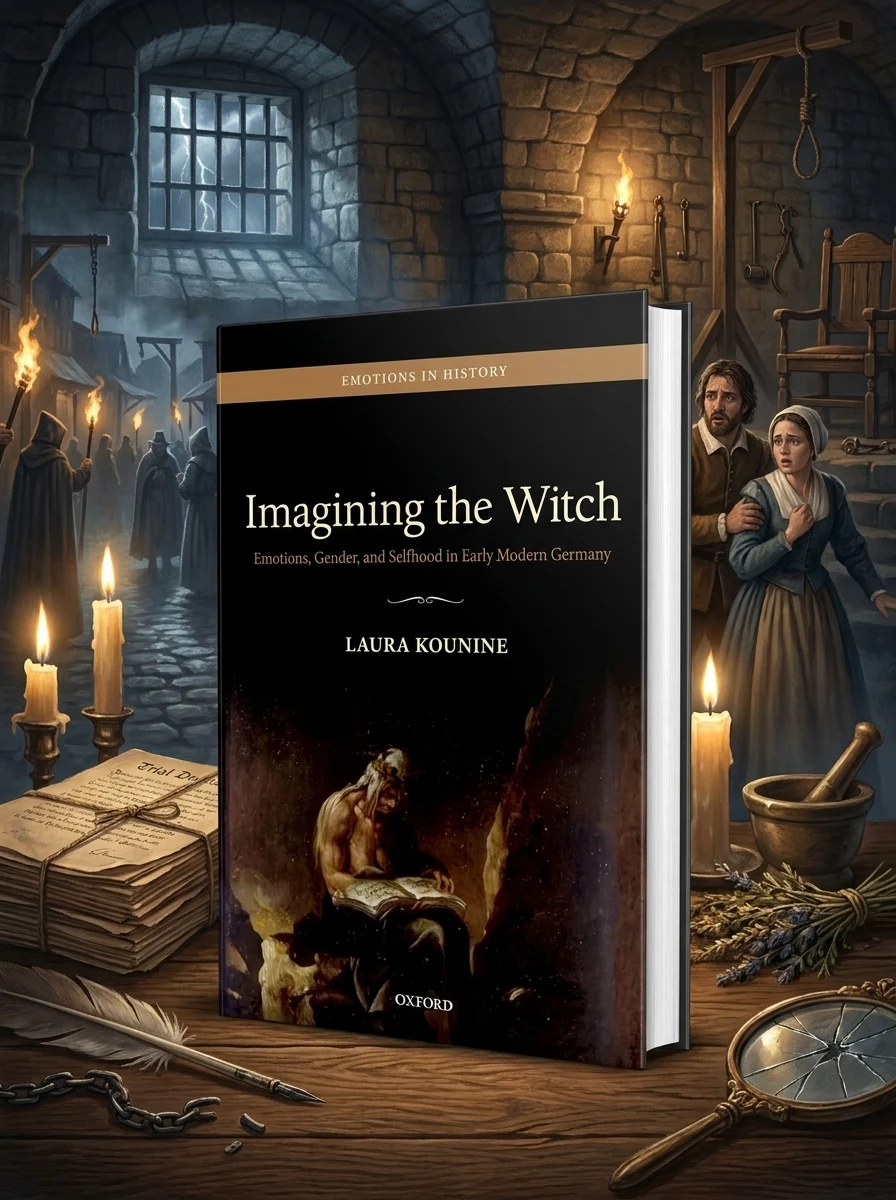
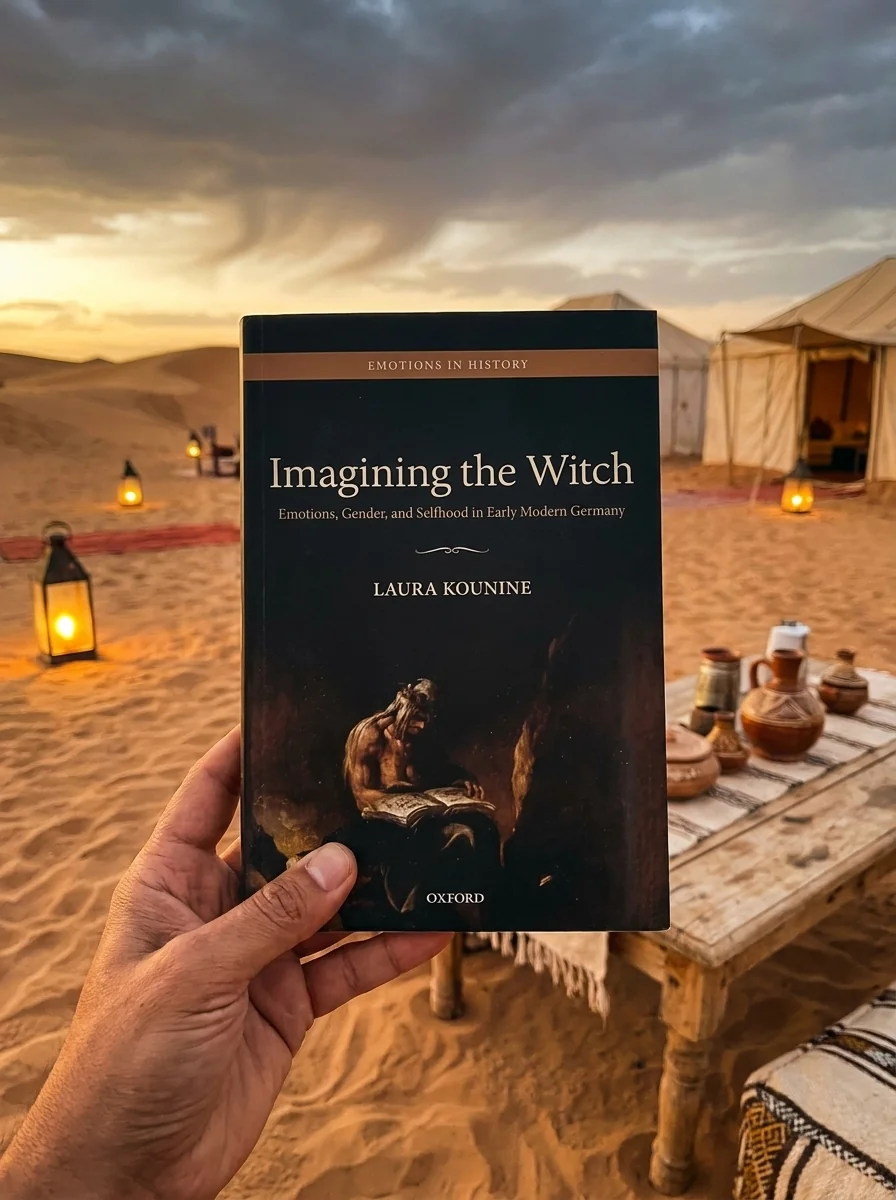
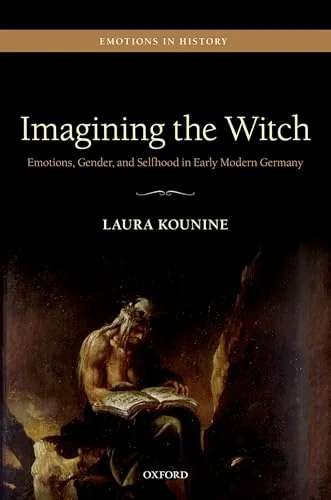
Imagining the Witch: Emotions, Gender, and Selfhood in Early Modern Germany Kounine, Laura
✍️ Kounine, LauraKounine's "Imagining the Witch" delves into the harrowing world of early modern German witch trials, illuminating how prevailing notions of emotions, gender, and individual identity shaped these brutal events. Through meticulous analysis of specific cases from the Lutheran duchy of Wurttemberg, this study reveals the complex interplay between societal anxieties and personal accusations. It challenges simplistic views, demonstrating that while women bore the brunt of accusations, a significant number of men were also targeted, and that not every charge led to the pyre. This work offers profound insights into how communities rationalized fear.


Praise for this book
“In these connections lie the book's main significance, not just as a piece of exemplary scholarship in its own right, but as a contribution to several overlapping fields simultaneously: predominantly, and most obviously, the history of witchcraft and history of emotions, but at least three other areas are also illuminated: first, enquiries into selfhood, subjectivity, and phenomenology; secondly, the history of…”
“...her book deserves attention for her insightful and intriguing views. Kounine combines innovative approaches to key issues in the witch hunt literature with a careful reading of archival sources. This work also does a remarkable job of leading readers through the main theories on witchcraft such as those of Midelfort, Clark and Roper (many others are mentioned).”
“Kounine has produced a series of excellent case histories that reveal how difficult it was to detect or prove the guilt of someone whose crime, if any, was internal.”
📝 Description: Imagining the Witch: Emotions, Gender, and Selfhood in Early Modern Germany Kounine, Laura
💎 Expert review
📖 Why choose it
Why this book is worth reading
Scholars and enthusiasts of historical sociology will find profound value in this text, which moves beyond sensationalist narratives to explore the visceral fears driving early modern society. By analyzing specific cases from Wurttemberg, Kounine illuminates how communal anxieties shaped individual identity and gender roles. Readers interested in the nuanced reality that men were also targeted, and that not all charges resulted in execution, will appreciate this correction of simplistic views. It offers a compassionate yet rigorous look at how communities rationalized their terror, making it essential for those seeking to understand the emotional landscapes underlying historical persecution rather than just its legalistic outcomes.
⭐ Reader reviews
Reader rating
Kounine provides a meticulous, emotionally resonant analysis that challenges reductive stereotypes about witchcraft accusations. However, this book is strictly academic and may frustrate readers seeking narrative thrill or straightforward historical chronicles. It is not suitable for those who prefer sensationalist accounts of the occult or desire quick, digestible summaries without engaging with complex sociological theory. The focus on Lutheran Wurttemberg limits its broader applicability, and the dense exploration of selfhood and emotion requires patience. Readers expecting a practical guide to Wicca or a dramatic retelling of trials will find this dry, scholarly examination of societal anxiety intellectually rigorous but emotionally distant from popular entertainment expectations.
❓ Frequently asked questions
📖 Who should read this
If you're drawn to the psychological underpinnings of historical atrocities, or seek a nuanced understanding of early modern social dynamics and gender roles, this book offers a compelling narrative. It's for those who want to move beyond simple narratives of persecution to explore the human experience behind the trials.
🎯 Key themes and symbolism
Gendered Accusations
This book meticulously dissects the disproportionate targeting of women in witch trials, while also acknowledging the surprising number of men who faced similar charges. It explores how societal expectations regarding gender roles and perceived emotional vulnerabilities contributed to who was accused and how their alleged crimes were interpreted within the community.
The Power of Emotion
Kounine reveals how early modern people believed deeply in the tangible, often destructive, power of human emotions. Suspicions of witchcraft often arose from the conviction that one person's intense feelings—anger, envy, resentment—could manifest as real, physical harm or misfortune, thereby providing a basis for accusations and trials.
Community & Selfhood
The work investigates how individuals understood themselves and their neighbors within the tight-knit communities where witch trials unfolded. It explores the paradox of how a seemingly ordinary member could suddenly become an object of terror, shedding light on the fragile boundaries between familiar faces and perceived monstrous evil.
📜 Historical context
📚 Glossary
- Early Modern Germany
- Witch-trials
- Wurttemberg
📔 Questions to reflect on
- How might contemporary societal anxieties, much like those explored in early modern Germany, influence our perceptions of deviance or "otherness" today?
- Consider a time when a powerful emotion, either your own or someone else's, seemed to have an almost tangible effect on a situation. How does this resonate with early modern beliefs about emotions and witchcraft?
- If you lived in a community where a witch trial was unfolding, how do you imagine you would navigate the intense pressures of suspicion, fear, and loyalty?