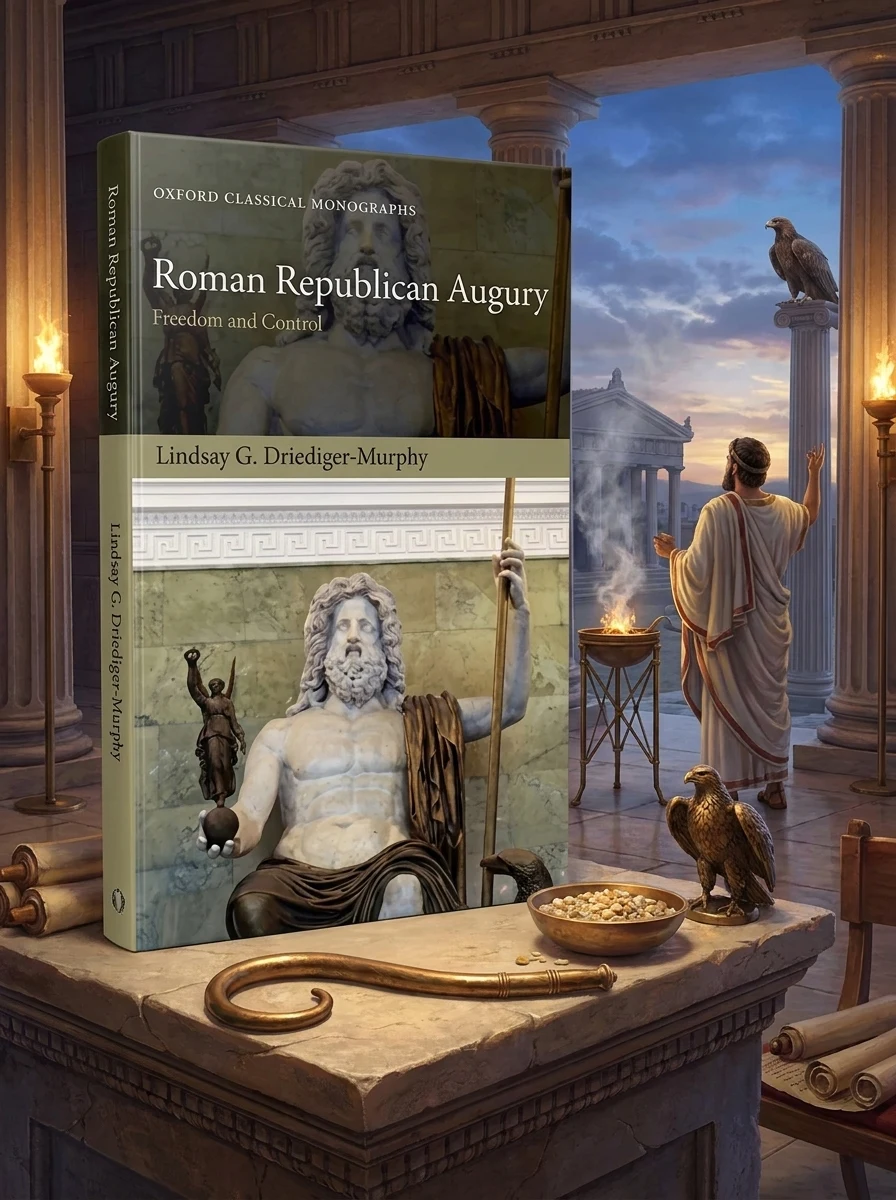
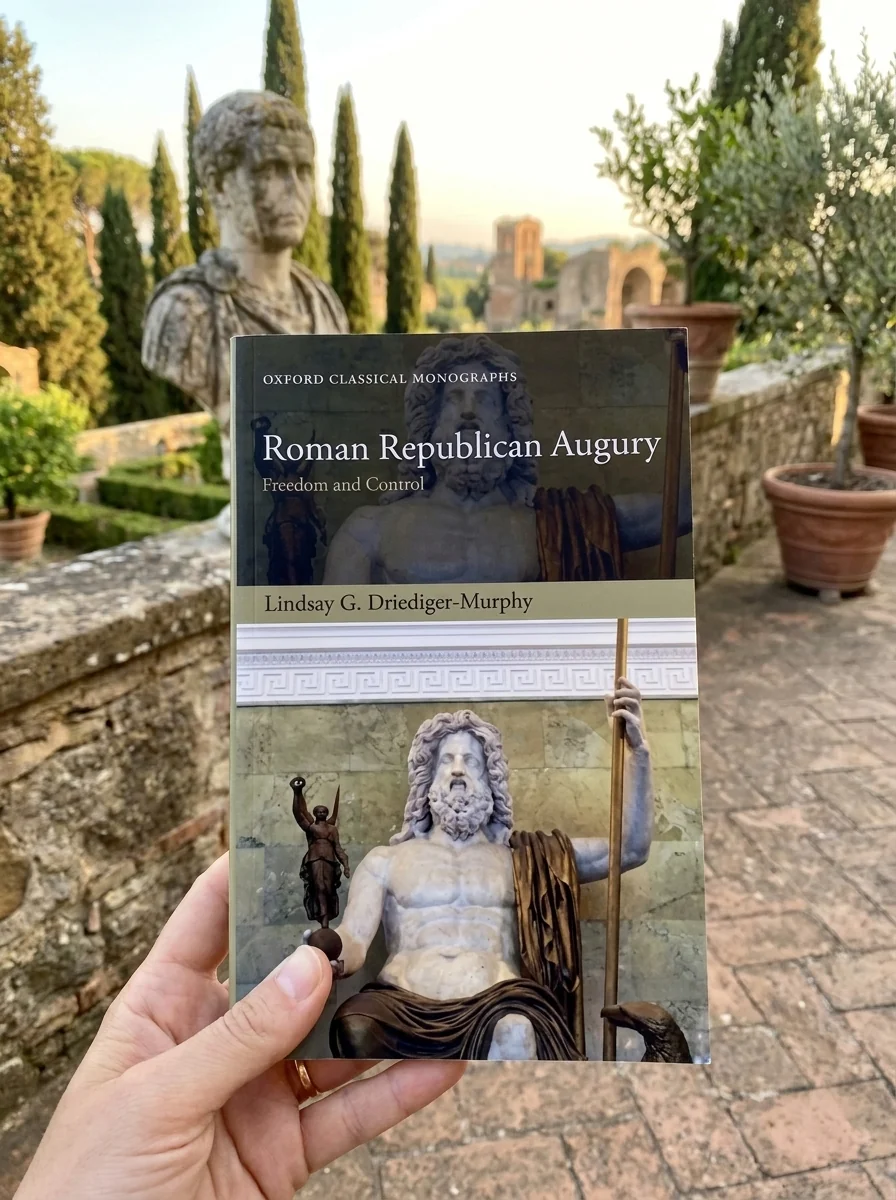
Roman Republican Augury: Freedom and Control Driediger-Murphy, Lindsay G
This groundbreaking study re-evaluates Roman Republican augury, a pivotal form of state divination. Challenging established academic perspectives that often reduce augury to a mere political tool for elite control, the author argues for a more profound understanding. Instead of reflecting human desires, augury provided a genuine conduit for Jupiter's will, even when it contradicted human wishes. This book illuminates the intricate relationship between Romans and their gods, revealing a system designed to genuinely interpret divine intent rather than simply manufacturing favorable omens.


Praise for this book
“Driediger Murphy has written a clear and powerful treatise. In its careful and systematic treatment of the evidence, it mounts a daunting case for an alternative reading of Roman augury...tis book is a mission statement for a different approach to Roman religion.”
“It is well informed, well written, and pays scrupulous attention to the sources...”
📝 Description: Roman Republican Augury: Freedom and Control Driediger-Murphy, Lindsay G
💎 Expert review
📖 Why choose it
Why this book is worth reading
Scholars of ancient history, theologians, and enthusiasts of esoteric systems will find this text indispensable for its rigorous re-evaluation of Roman augury. Lindsay G Driediger-Murphy offers a refreshing perspective that moves beyond the cynical view of divination as mere political theater. Readers seeking to understand the genuine spiritual mechanics of the past, rather than just its social utility, will appreciate the nuanced argument that augurs served as true conduits for Jupiter’s will. This book is essential for those interested in the authentic intersection of faith and statecraft in antiquity, providing a deep dive into how divine intent was perceived to shape Republican freedom and control without reducing it to simple manipulation.
⭐ Reader reviews
Reader rating
This academic study provides a compelling counter-narrative to established views on Roman divination, arguing for its genuine theological significance over political utility. However, readers seeking accessible narratives or entertainment should look elsewhere; the text is dense with scholarly analysis and theoretical argumentation. It may frustrate those expecting a romanticized view of Roman mysticism or a simple historical chronicle. The work demands patience and a background in classical studies to fully appreciate its nuanced deconstruction of elite control versus divine will. It is best suited for serious researchers and historians willing to engage with complex academic prose rather than casual readers interested in occult aesthetics.
❓ Frequently asked questions
📖 Who should read this
If you're fascinated by ancient Roman history, the true nature of divination, or the interplay of power and piety, this book offers a profound re-evaluation. It will challenge your assumptions about religious manipulation in historical contexts, inviting a deeper understanding of Roman spiritual life.
🎯 Key themes and symbolism
Divine Autonomy in Augury
This book posits that Roman augury was not merely a political instrument but a sincere attempt to understand the gods. It emphasizes that augural practices allowed for the expression of divine will that could genuinely oppose human agendas, highlighting a respectful acknowledgement of Jupiter's independent authority within the Roman religious framework.
Beyond Political Pretense
The author meticulously dismantles the common scholarly view that official Roman divination was designed solely to produce politically convenient outcomes. Instead, the text reveals a system where the rules and precepts of augury inherently provided space for divine expressions that could contradict human desires, offering a nuanced look at ancient religious sincerity.
Freedom and Sacred Order
Examining the complex interplay between freedom and control, the book explores how the structured rules of augury, while seemingly restrictive, actually facilitated a legitimate dialogue with the divine. It suggests that these regulations were not just about limiting human action, but also about ensuring an authentic and respectful engagement with the sacred, shaping Roman constitutional and social structures.
📜 Historical context
📚 Glossary
- Augury
- Divination
- Jupiter
📔 Questions to reflect on
- Consider a time you sought guidance or a sign. How open were you to an answer that contradicted your hopes or expectations?
- In modern society, where do we see attempts to 'control' outcomes through ritual or belief, and how might that compare to ancient augury's true purpose?
- How does the concept of a divine will, potentially at odds with human wishes, influence your understanding of fate, free will, or personal agency?