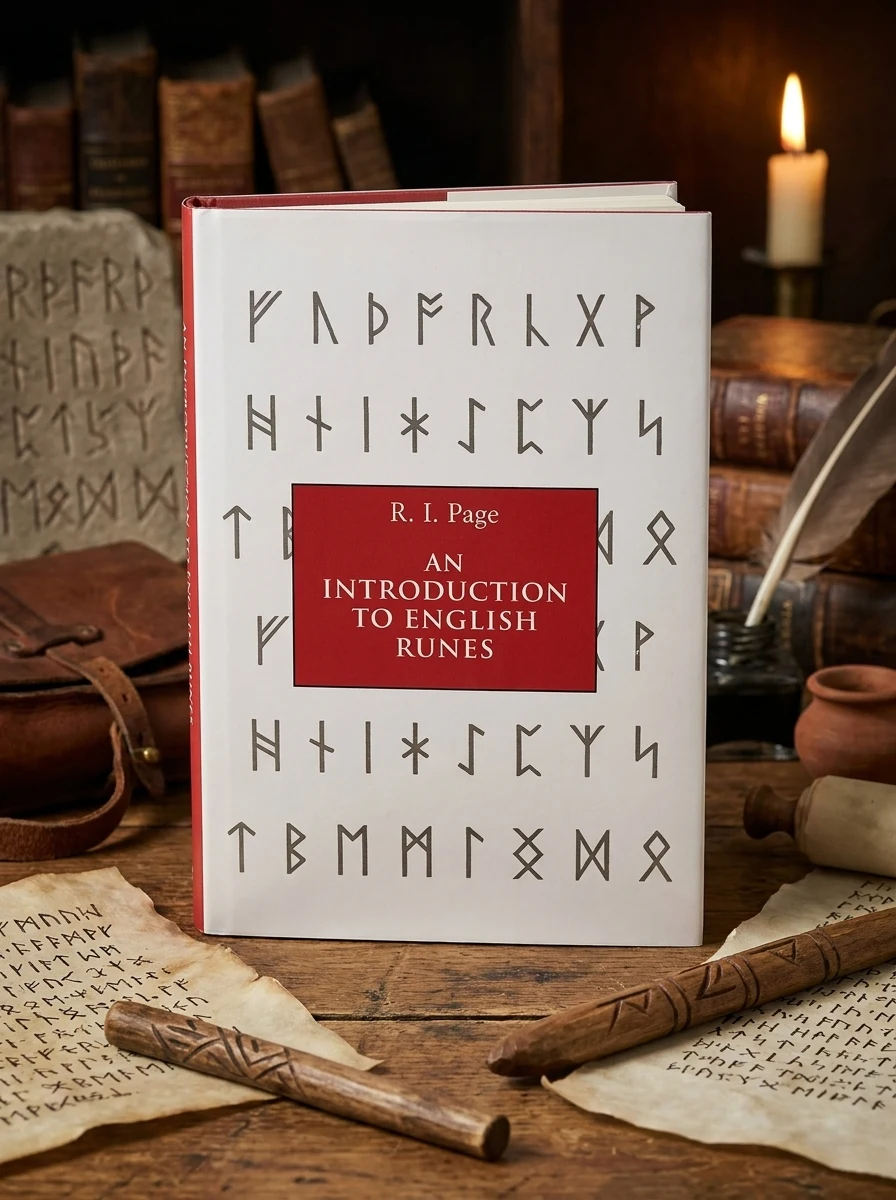
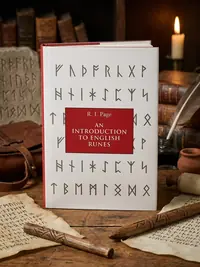
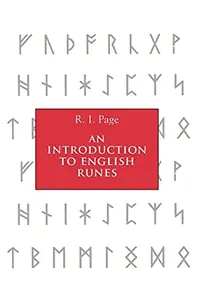
An Introduction to English Runes (Revised)
Page, R IThis edition can be ordered. No arrival date is confirmed.
Unearth the true, practical history of English runes, stripped of modern mysticism.
This authoritative volume meticulously corrects popular misperceptions surrounding runes, often inaccurately portrayed as solely mystic tools. Instead, it presents a compelling case for their extensive use as a functional written script across Anglo-Saxon and Viking England. The book delves into the futhorc's introduction in the fifth and sixth centuries, tracing its development, letter forms, and eventual decline. It illuminates a fascinating world where runes served diverse, everyday purposes, from personal markings to monumental inscriptions, offering a fresh, scholarly perspective on these ancient symbols.
This work sits firmly within the scholarly study of Anglo-Saxon and Viking history, focusing on the functional evolution of the futhorc script rather than modern esoteric practices. It serves as a corrective text for those interested in the authentic historical usage of runes across early England.


📝 Description: An Introduction to English Runes (Revised)
💎 Expert review
📖 Why choose it
Why this book is worth reading
Readers seeking a grounded, academic understanding of runes will find immense value in this revised edition. It appeals to historians and linguists who wish to strip away the layers of modern mysticism that often obscure the true nature of these ancient symbols. By presenting runes as a practical, everyday written script used for everything from personal markings to monumental inscriptions, the book offers a refreshing, scholarly perspective. It is ideal for those tired of inaccurate portrayals and eager to explore the futhorc's development from the fifth century onward. This volume provides the rigorous context needed to appreciate runes not just as mystical tools, but as vital components of Anglo-Saxon and Viking communication and culture.
⭐ Reader reviews
Reader rating
Page’s authoritative volume is a necessary corrective for anyone interested in the genuine history of English runes. It meticulously dismantles popular misperceptions by demonstrating their role as a functional script rather than purely occult instruments. However, this book does not suit readers looking for contemporary divination techniques, magical rituals, or accessible, light-hearted introductions to rune casting. It is a dense, scholarly examination of letter forms and historical decline, demanding patience and an interest in linguistic evolution. Those seeking spiritual connection through runes will likely find this dry and unhelpful, as it focuses strictly on archaeological and textual evidence from the fifth century onwards.
❓ Frequently asked questions
📖 Who should read this
If you're captivated by early English history, linguistics, or seeking a fact-based understanding of runes beyond modern spiritual interpretations, this scholarly yet engaging work is essential. It's for those who value historical accuracy over popular myth.
🎯 Key themes and symbolism
Debunking Runic Mysticism
The text systematically dismantles the contemporary notion of runes as inherently mystical tools for power or insight. It meticulously re-establishes their historical context as a practical alphabet, challenging modern interpretations and grounding the discussion firmly in archaeological and linguistic evidence. This approach provides a clear, factual counterpoint to popular, often imprecise, understandings.
Practical Runic Applications
Discover the incredible versatility of runic script in early English society. Far from esoteric symbols, runes were integral to daily life, appearing on everything from personal possessions to formal monuments. The book explores their use in informal communications, as decorative elements in manuscripts, for identifying ownership, and even potentially in private correspondence, showcasing their widespread utility.
Futhorc's Evolution & Decline
Journey through the chronological development of the futhorc, the runic alphabet introduced to England centuries ago. This book details its origins, the forms and phonetic values of its individual letters, and how it adapted over time. It thoroughly documents the period from its initial adoption by Anglo-Saxons and Vikings up to its gradual disappearance by the close of the Anglo-Saxon era.
💬 Quotes from the book
“The popular notion of runes as solely mystic conduits often obscures their mundane yet profound historical utility as a functional alphabet across early English society.”
“From informal personal marks to monumental inscriptions, the futhorc permeated daily life in ways far removed from later esoteric interpretations.”
📜 Historical context
📚 Glossary
- Runes
- Futhorc
- Anglo-Saxon period
📔 Questions to reflect on
- How does understanding runes as a practical script rather than a mystic tool change your perception of early English culture and literacy?
- Consider how the decline of runic script parallels or differs from the evolution of other ancient writing systems you are familiar with.
- Reflect on how historical misinterpretations, like those surrounding runes, can obscure the true richness of ancient practices and beliefs.
✍️ More books by this author Page, R I
All books by this author →
🏛 Books from this publisher Boydell Press
All books from this publisher →
You might also like
See more →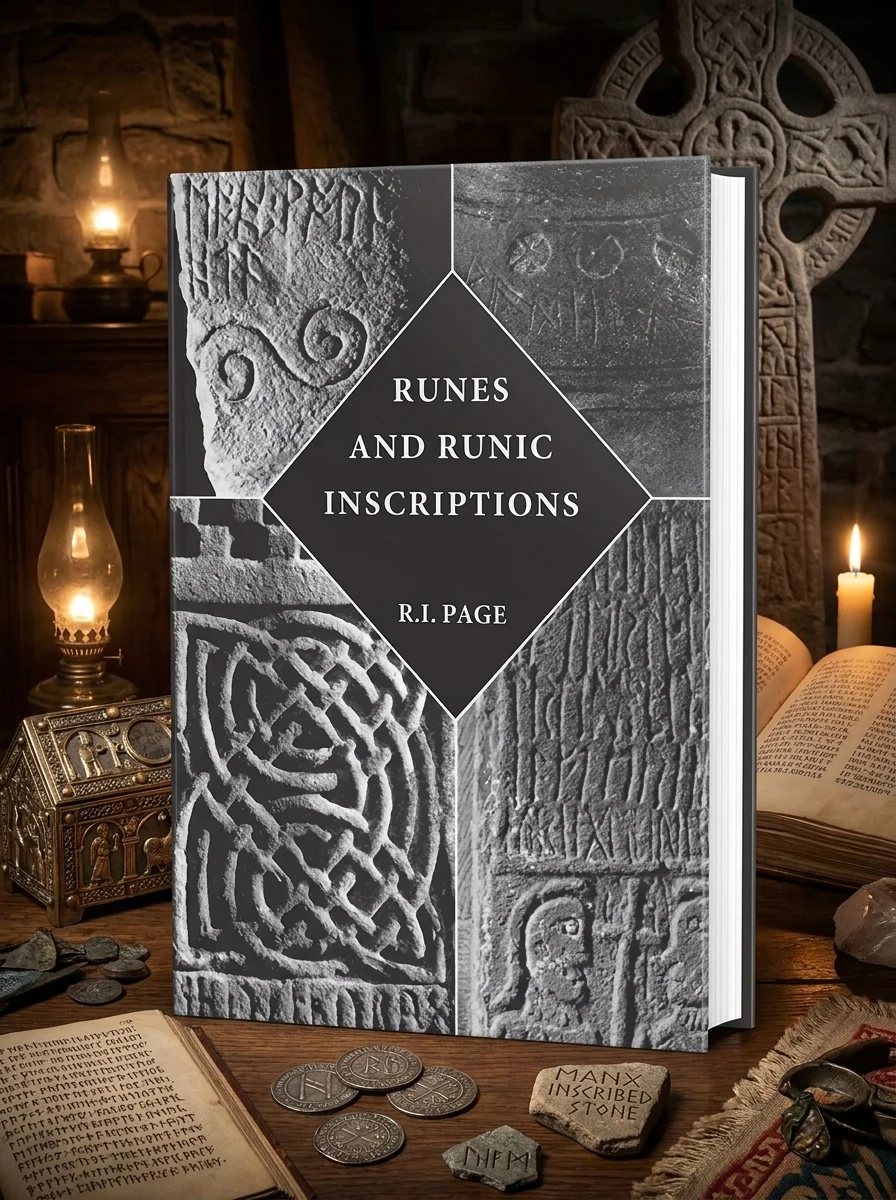


 91
91