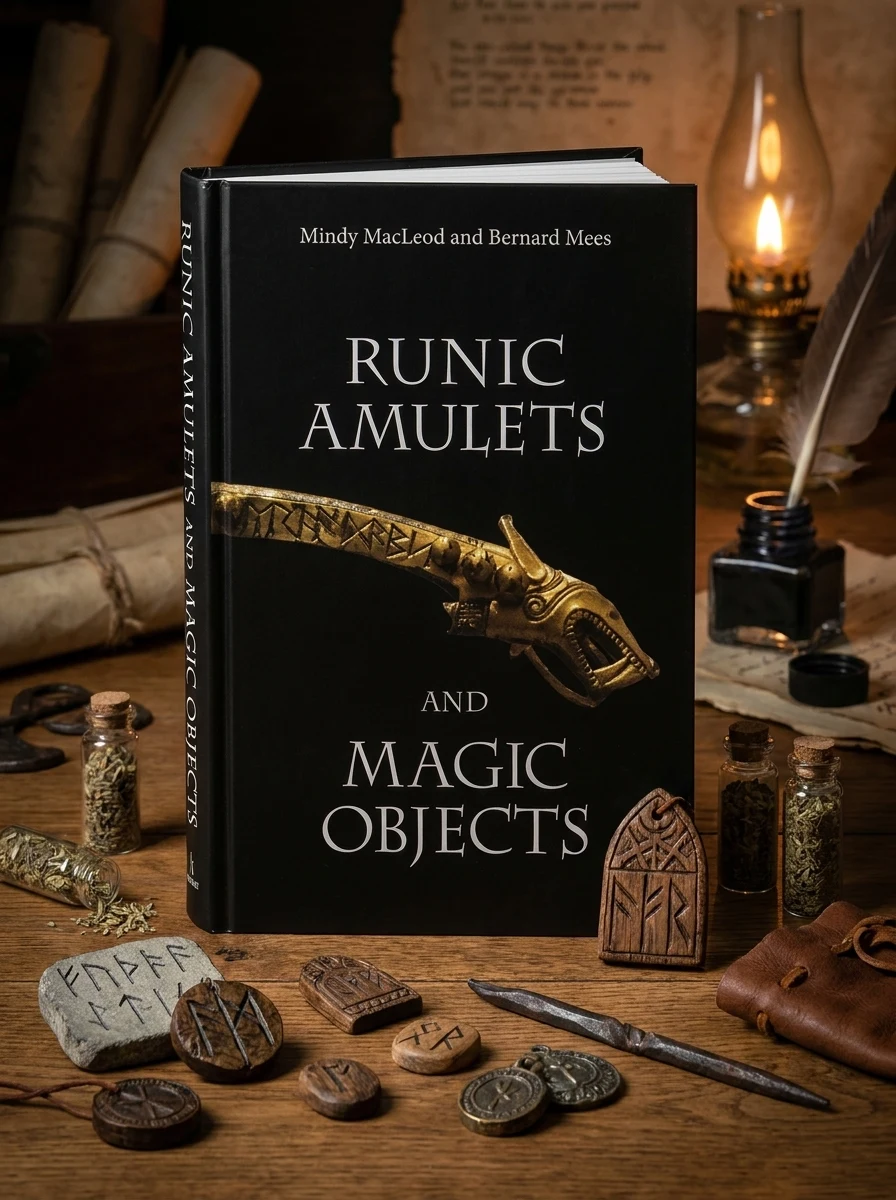
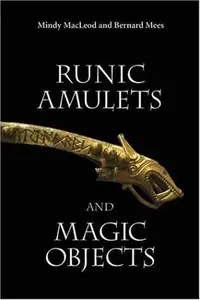
Runic Amulets and Magic Objects
 83
83
 Editorial score
How we rate
Editorial score
How we rate
Stock reported in the catalog; fulfillment is confirmed with your request.
Unearth the truth behind runic magic and its enduring scholarly debate.
Mindy MacLeod and Bernard Mees offer a fresh, rigorous examination of runic amulets and their magical significance, a topic that has long polarized scholars. This book delves into how Germanic peoples historically inscribed runes on objects for protection, good fortune, and specific intentions, exploring invocations to both pagan and Christian deities. Challenging the pendulum swing between credulity and outright denial, it meticulously re-evaluates the evidence for runic sorcery, drawing parallels with other European cultural practices and shedding new light on ancient beliefs and practices.
This work engages with the scholarly discourse surrounding Germanic antiquity and the historical intersection of pagan and Christian religious practices in Northern Europe.


📝 Description: Runic Amulets and Magic Objects
💎 Expert review
📖 Why choose it
Why this book is worth reading
Scholars and serious enthusiasts of Germanic history will find this volume indispensable for its rigorous re-evaluation of runic sorcery. By moving beyond the polarized debate between credulity and denial, MacLeod and Mees provide a balanced, evidence-based perspective on how runes were used for protection and intention. It is essential for those seeking to understand the nuanced ways ancient peoples invoked deities through inscribed objects. The book offers clarity on enduring scholarly controversies, making it a vital resource for anyone wishing to grasp the authentic cultural context of runic magic without succumbing to modern myths or academic oversimplification.
⭐ Reader reviews
Reader rating
This text serves as a necessary corrective for academics and dedicated researchers weary of sensationalized accounts of runic magic. Its strength lies in its meticulous re-evaluation of evidence, offering a fresh perspective on the historical use of amulets. However, it is explicitly not suited for casual readers seeking mystical instruction or those expecting narrative-driven fantasy elements. The dense, scholarly tone may alienate general audiences looking for accessible esoteric guides. It is strictly for those prepared to engage with complex arguments regarding Germanic cultural practices and the rigorous demands of historical philology.
❓ Frequently asked questions
📖 Who should read this
If you're a serious student of ancient Germanic cultures, runic inscriptions, or the history of magic and religion, this book offers an essential re-evaluation. It's for those who appreciate rigorous scholarship over simplistic answers, seeking depth in esoteric studies.
🎯 Key themes and symbolism
The Magic Debate
This work directly confronts the contentious academic debate surrounding the magical properties of runes. It critiques past scholarship, which often swung from uncritical acceptance of fantastical claims to a complete dismissal of any magical element. The authors advocate for a balanced re-evaluation, acknowledging historical attestations of runic sorcery found in medieval Norse literature.
Runic Amulets & Charms
Explore the fascinating world of small, inscribed objects imbued with runic power. The book details how formulaic runic words were carved onto amulets of metal or wood, intended to bring peace, prosperity, or protection. These were not merely decorative but purposeful items, carried by individuals seeking to influence their fate or surroundings through inscribed power.
Cultural Connections
Discover how runic magical practices were not isolated phenomena. The book highlights extensive parallels between runic amulets and similar magical traditions across various European cultures. This comparative approach reveals a broader context for understanding the use of inscribed charms, suggesting shared beliefs and cross-cultural influences in ancient magical thought.
💬 Quotes from the book
“The pendulum of runic scholarship has swung too widely, from uncritical belief in every magical claim to an equally uncritical dismissal of all evidence of sorcery. Our task is to find the balanced truth.”
“Invocations to Odin, appeals for healing, or charms to bind a lover — these inscriptions were not mere literacy, but direct attempts to manipulate the world through symbolic power.”
📜 Historical context
📚 Glossary
- Runes
- Amulet
- Formulaic Runic Words
📔 Questions to reflect on
- Reflect on how modern skepticism impacts our understanding of historical magical practices. Can we truly separate our worldview from theirs?
- Consider the universal human desire for protection and influence over fate. How do runic amulets compare to similar charms or talismans you know from other cultures?
- If magical intent was often intertwined with everyday writing in ancient societies, how might this change our interpretation of other historical texts or artifacts?
🏛 Books from this publisher Boydell Press
All books from this publisher →
You might also like
See more →