Ghosts in Enlightenment Scotland - Ingram Academic McGill, Martha
 80
80
 Editorial score
How we rate
Editorial score
How we rate
Stock reported in the catalog; fulfillment is confirmed with your request.
Unravel Scotland's enduring spectral fascination amidst the Age of Reason's dawning light.
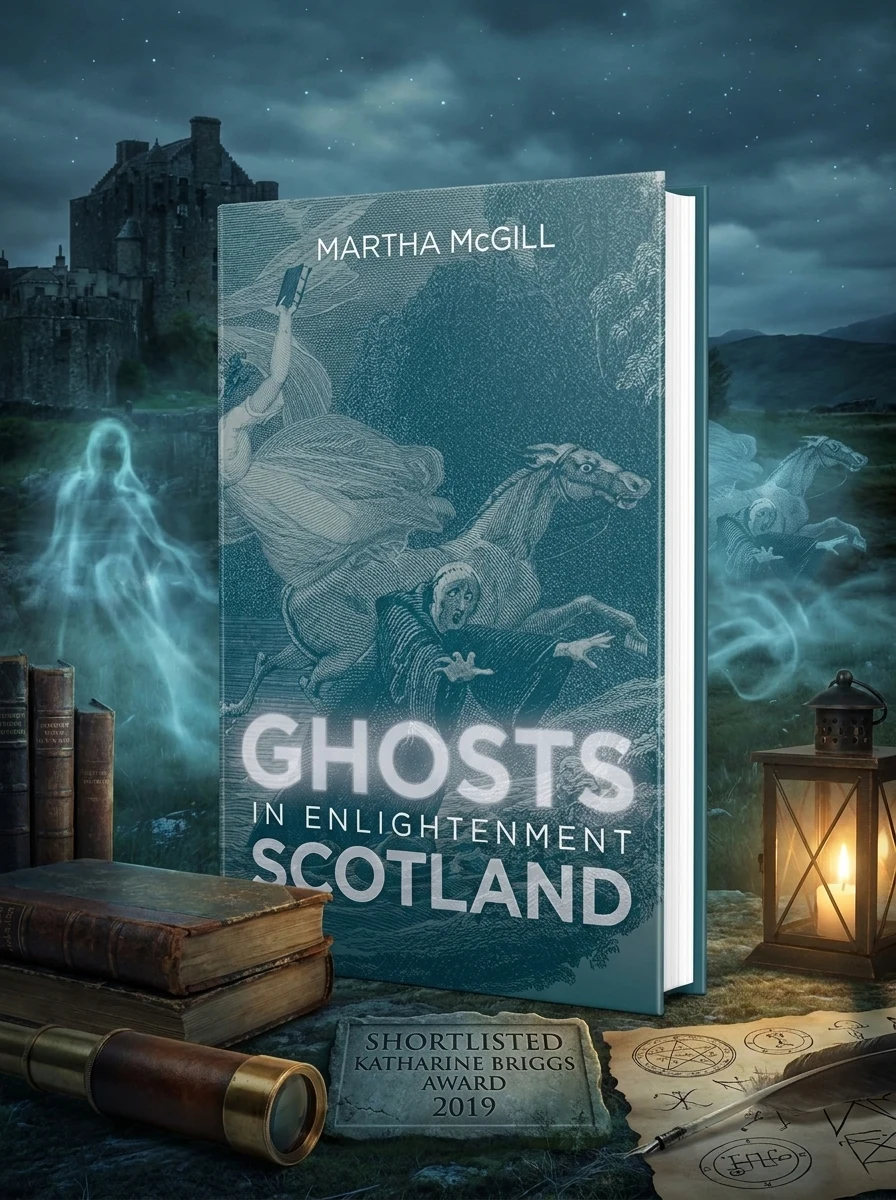
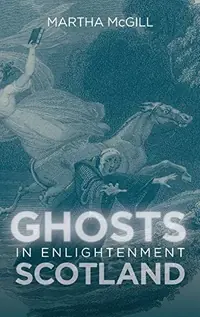
Martha McGill's "Ghosts in Enlightenment Scotland" meticulously examines how the land of 'ghaists and houlets' maintained its spectral reputation even as rational thought flourished. This pioneering academic work, focusing on 1685-1830, traces the evolution of ghostly beliefs from medieval fears and Reformation-era demonic obsessions to their re-emergence as religious tools and later, medical curiosities. It delves into how Romantic and Gothic literature embraced these phantoms, and how folk culture used apparitions to explore profound questions of life and death, providing the first dedicated study of this paradoxical period.
This work sits at the intersection of intellectual history and folklore studies, exploring the paradoxical coexistence of rational Enlightenment thought and persistent supernatural beliefs in Scotland. It challenges the conventional narrative of the Age of Reason by examining how spectral fascination endured amidst scientific advancement.


📝 Description: Ghosts in Enlightenment Scotland - Ingram Academic McGill, Martha
💎 Expert review
📖 Why choose it
Why this book is worth reading
Scholars of Scottish history, enthusiasts of the Enlightenment era, and those fascinated by the sociology of belief will find this text indispensable. Martha McGill offers a pioneering academic lens through which to view the transition from medieval demonic fears to medical curiosities. Readers interested in how folk culture utilizes apparitions to process existential questions regarding life and death will appreciate the depth of analysis. Furthermore, students of Romantic and Gothic literature will gain crucial context on how these phantoms were embraced by literary circles. This book provides a unique opportunity to understand the complex interplay between rationality and mysticism during a pivotal historical window, making it essential for anyone seeking to unravel the enduring spectral fascination that defined Scotland's cultural identity during this transformative period.
⭐ Reader reviews
Reader rating
McGill’s meticulous examination is a vital contribution to understanding the paradox of spectral beliefs flourishing alongside rational thought. However, readers seeking a light, entertaining read on ghost stories may find the academic rigor and dense historical analysis of religious tools and medical curiosities somewhat dry. This is not a collection of chilling tales for casual consumption but a serious scholarly work focusing on 1685-1830. It demands patience and interest in intellectual history rather than supernatural thrills. While indispensable for academics, the average paranormal hobbyist might struggle with its theoretical framework. It is best suited for those willing to engage with complex historical evolutions of belief systems rather than simple ghost hunting narratives.
❓ Frequently asked questions
📖 Who should read this
If you're captivated by the intersection of history, folklore, and intellectual shifts, this book is for you. It offers a fresh perspective on Scotland's cultural identity and the enduring power of belief, even in an era of burgeoning reason.
🎯 Key themes and symbolism
Supernatural Persistence
Explore the intriguing paradox of how belief in the supernatural not only survived but adapted during Scotland's Age of Enlightenment. This book reveals how ancient tales of restless spirits transformed, sometimes serving religious propaganda, other times re-emerging in popular consciousness despite the prevailing emphasis on reason and empirical thought.
Evolving Ghost Interpretations
Witness the multifaceted interpretations of ghosts across two centuries. McGill details their shift from medieval specters and Reformation demons to being reframed by physicians as psychological phenomena. Simultaneously, the work illuminates how literary and folk traditions continuously re-imagined the returning dead, giving them new cultural and emotional resonance.
Cultural & Literary Ghosts
Discover how Scotland's rich cultural landscape integrated spectral figures into its artistic expression. From the evocative settings of ancient ruins in Gothic literature to the moral and existential allegories within folk traditions, the book illustrates how authors like Robert Burns, James Hogg, and Walter Scott harnessed the macabre to deepen their portrayals of Scottish life and values.
💬 Quotes from the book
“Even as the lamps of reason burned brighter across Scotland, the shadows of the spectral realm refused to recede, adapting instead to new intellectual currents.”
“From theological weapons to literary muses, the Scottish phantom proved a remarkably versatile cultural construct, reflecting society's shifting anxieties and aspirations.”
📜 Historical context
📚 Glossary
- Enlightenment
- Reformation
- Gothic Literature
📔 Questions to reflect on
- How do modern societal beliefs about the unexplained or supernatural parallel the historical shifts discussed in the book, particularly regarding scientific explanations versus cultural narratives?
- Consider a contemporary piece of literature or media that uses spectral figures. What moral or existential messages do these 'ghosts' convey, and how does this compare to their function in historical Scottish folklore?
- In what ways might intellectual or scientific advancements, even today, inadvertently create new spaces or interpretations for belief in phenomena that defy easy explanation?
🏛 Books from this publisher Boydell Press
All books from this publisher →
You might also like
See more →