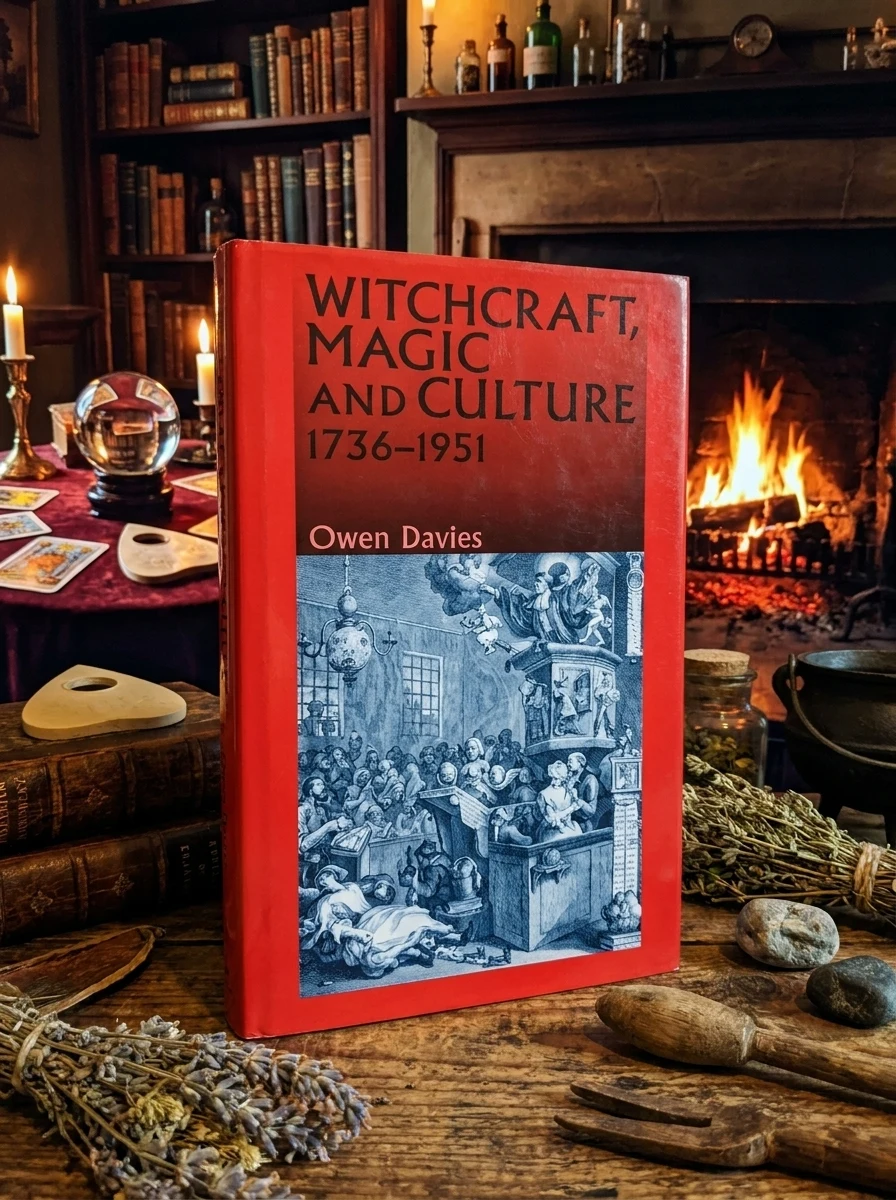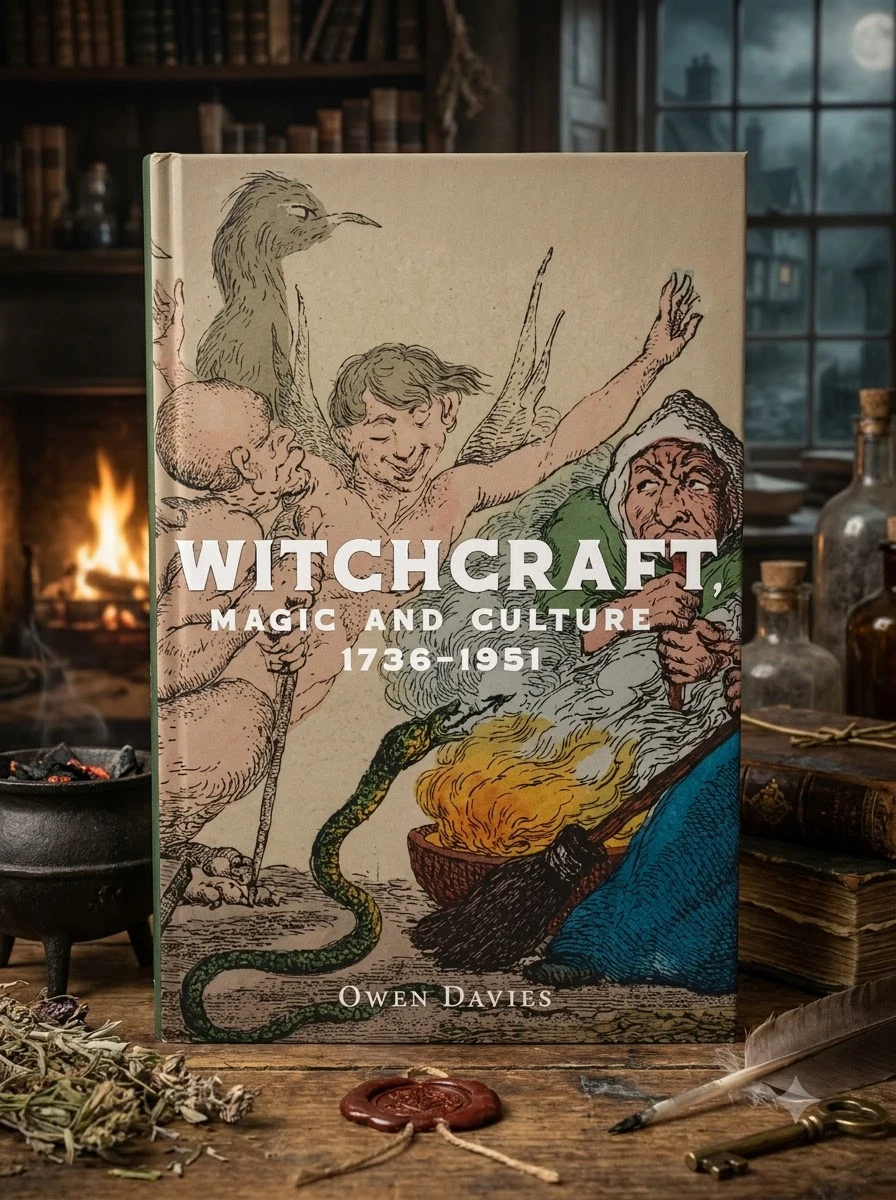
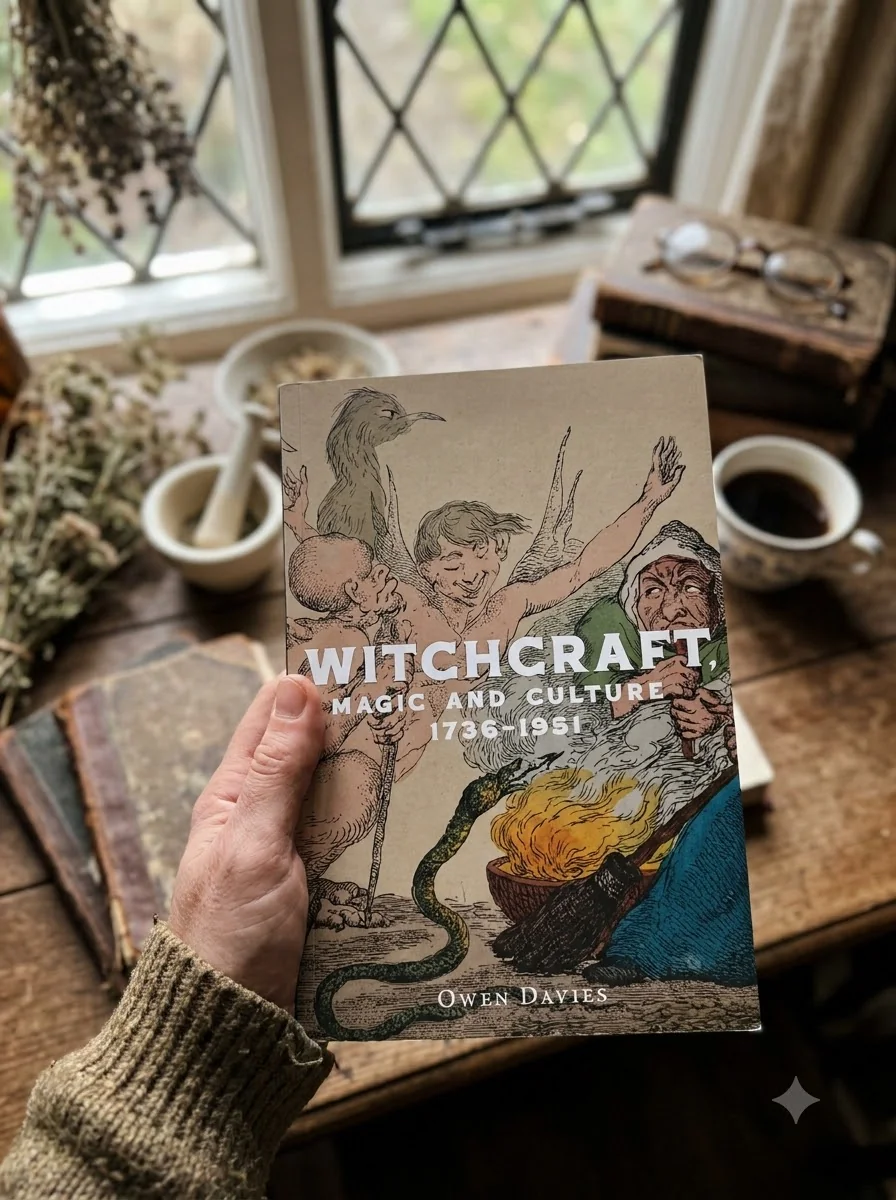
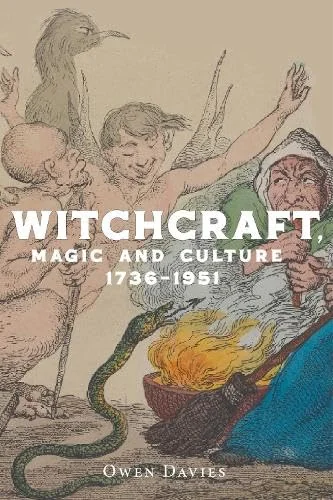
Witchcraft, Magic and Culture 1736-1951
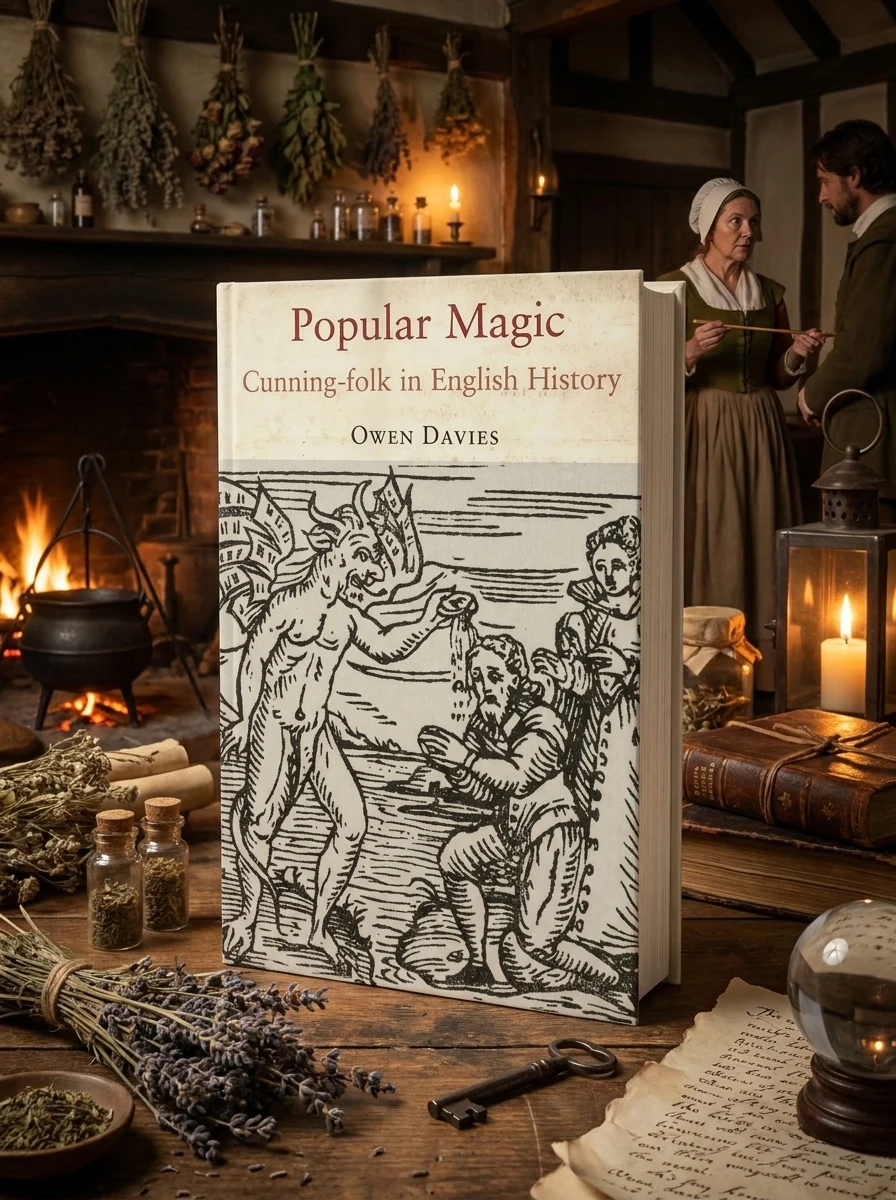
✍️ Davies, OwenExplore the hidden history of magic and witchcraft in Britain, tracing its evolution from 1736 to 1951. Owen Davies masterfully chronicles how, despite the repeal of the Witchcraft Act, belief in supernatural forces and the practice of folk magic continued to thrive and adapt. This essential work moves beyond sensationalism, offering a nuanced perspective on how these traditions persisted in daily life, influencing culture and society long after official persecution ended. It's a vital narrative for understanding the enduring human connection to the unseen.


📝 Description: Witchcraft, Magic and Culture 1736-1951
💎 Expert review
📖 Why choose it
Why this book is worth reading
This book is essential for readers who suspect that the repeal of legal penalties did not erase the human desire for magical intervention. It serves those interested in the subtle, enduring presence of the occult in everyday history rather than sensationalist fiction. By tracing the clandestine journey of magic from 1736 to 1951, it offers a nuanced perspective on how traditions adapted and survived. Readers seeking to understand the genuine, persistent connection people maintained with unseen forces will find this narrative illuminating. It is for anyone curious about how culture absorbed rather than discarded esoteric beliefs long after official persecution ceased, revealing the quiet resilience of magical thought in modern society.
⭐ Reader reviews
Reader rating
Davies provides a rigorous, nuanced exploration of British magic that moves decisively beyond sensationalism. While historians and enthusiasts of folk traditions will appreciate this deep dive into cultural persistence, it may not suit readers seeking practical grimoires or dramatic, supernatural thrillers. The text is academic in tone, focusing on societal influence rather than mystical experience. Readers expecting a guide to modern Wiccan practice or fast-paced historical adventure might find the pace deliberate. However, for those interested in the intellectual and social history of the unseen, this work is an indispensable, candid look at how magic thrived in the shadows of enlightenment rationalism.
❓ Frequently asked questions
📖 Who should read this
If you're fascinated by the hidden currents of history, the persistence of folk beliefs, or the intricate evolution of magical practices, this book is indispensable. It will deepen your understanding of how supernatural thought continued to shape lives and communities, long after the stakes were extinguished.
🎯 Key themes and symbolism
Law and Folkways
The book brilliantly illustrates the chasm between legislative changes, such as the 1736 Witchcraft Act, and the lived reality of ordinary people. It reveals that legal reform did not instantly eradicate centuries of deeply ingrained magical thinking, but rather pushed such practices into more private or adapted forms, highlighting the resilience of popular culture against official decree.
Evolving Magical Practices
Davies expertly charts the transformation of magical practices across nearly two centuries. From rural cunning folk to urban spiritualists, the book examines how magic adapted to changing societal norms, industrialization, and emerging intellectual trends. It showcases the dynamic nature of these traditions, always finding new expressions while retaining core elements of their ancient heritage.
📜 Historical context
📚 Glossary
- Witchcraft Act of 1736
- Cunning Folk
- Social History
📔 Questions to reflect on
- How might contemporary legal or scientific advancements inadvertently influence the evolution of modern esoteric practices?
- Reflect on any folk beliefs or superstitions that persist in your own culture today, and consider their historical lineage.
- In what ways do you think the "hidden" nature of magic after 1736 might have contributed to its eventual revival?