Ghosts: A Social History
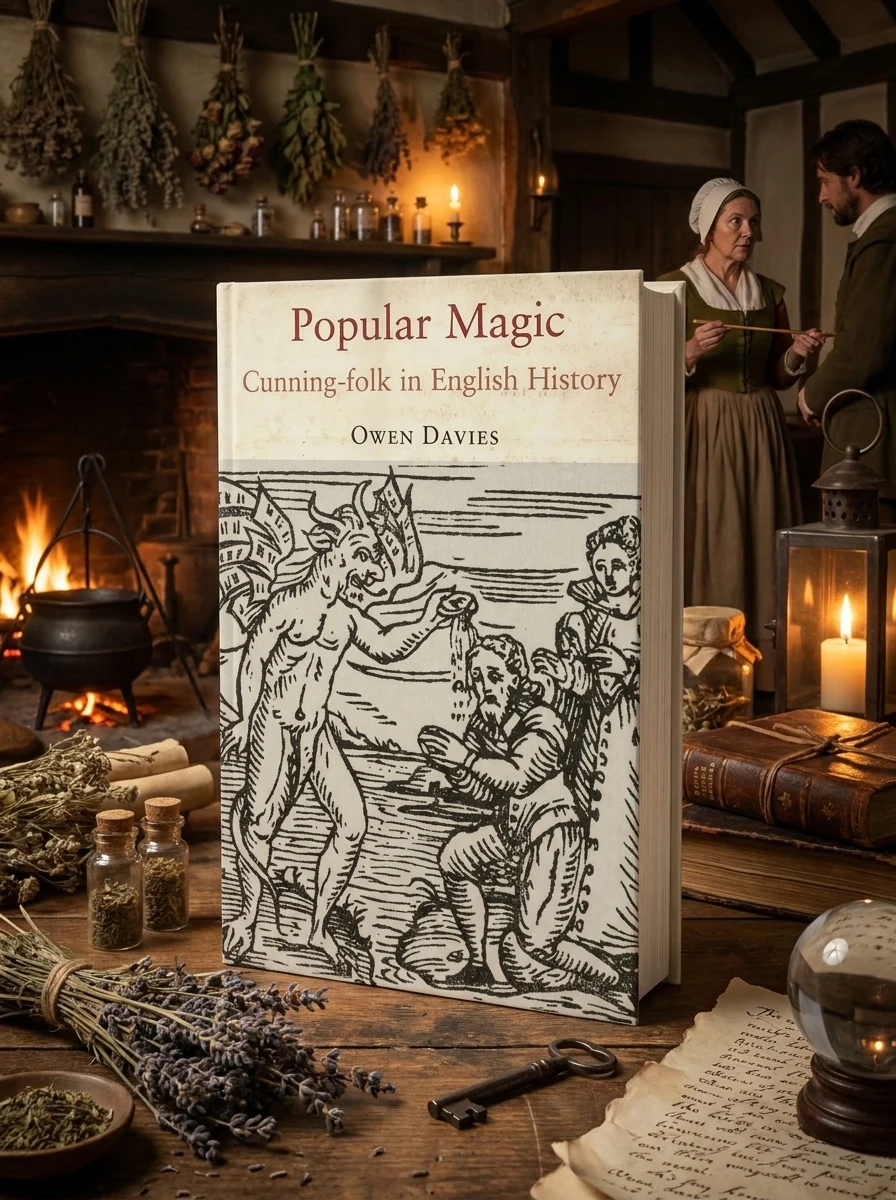
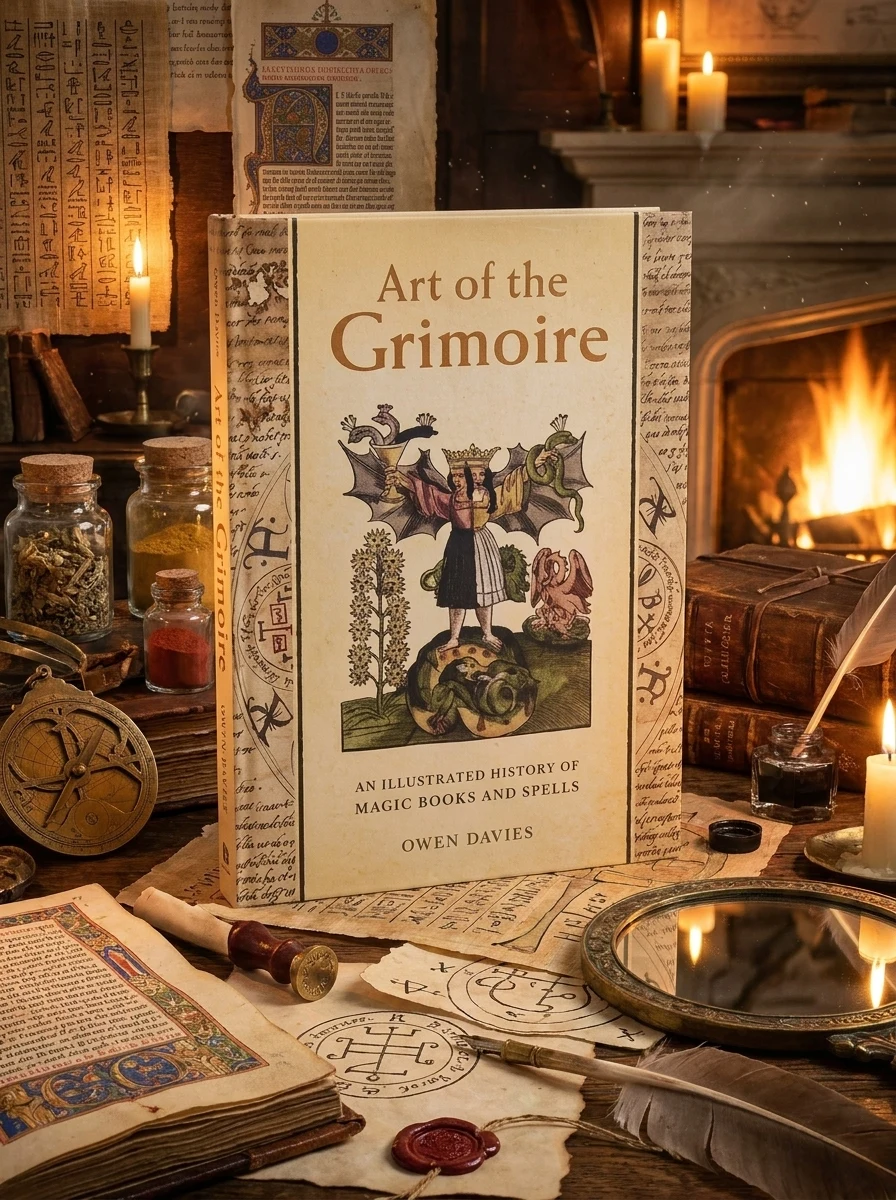
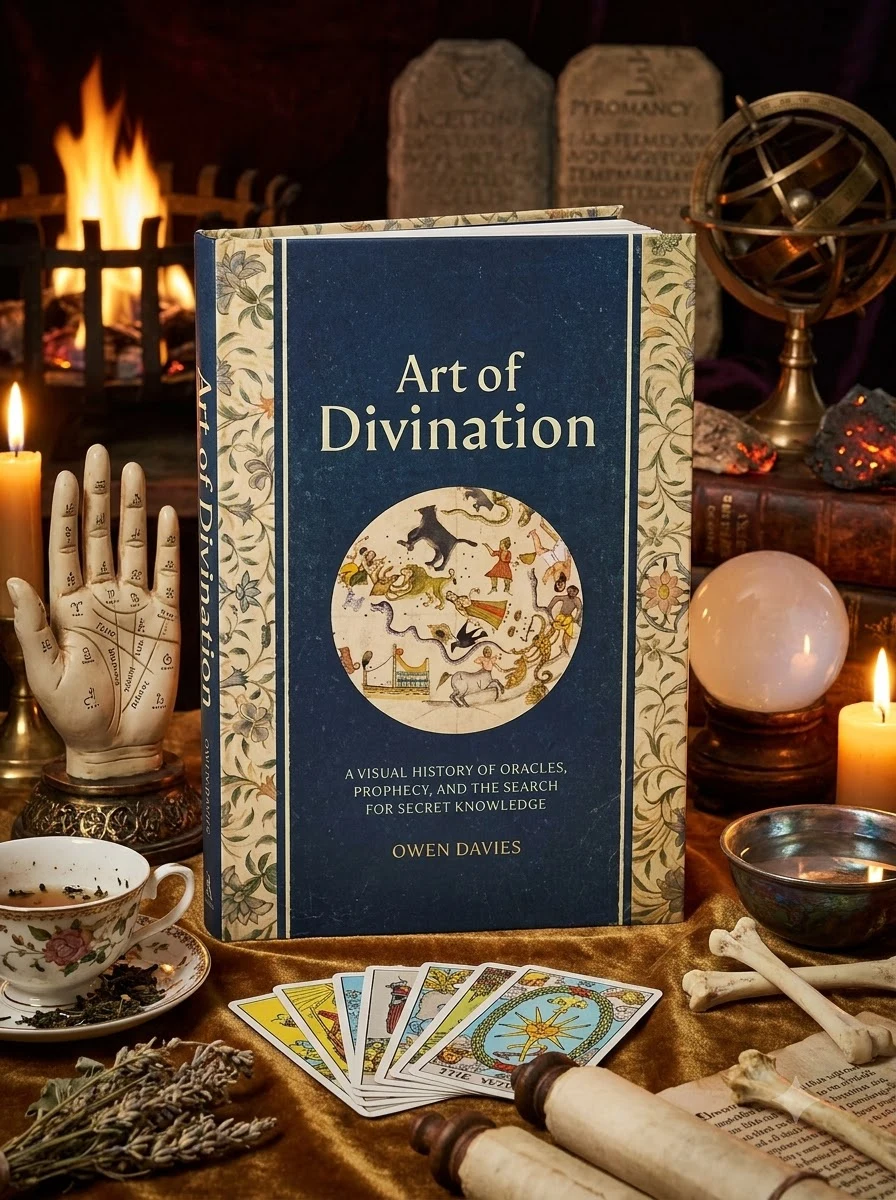
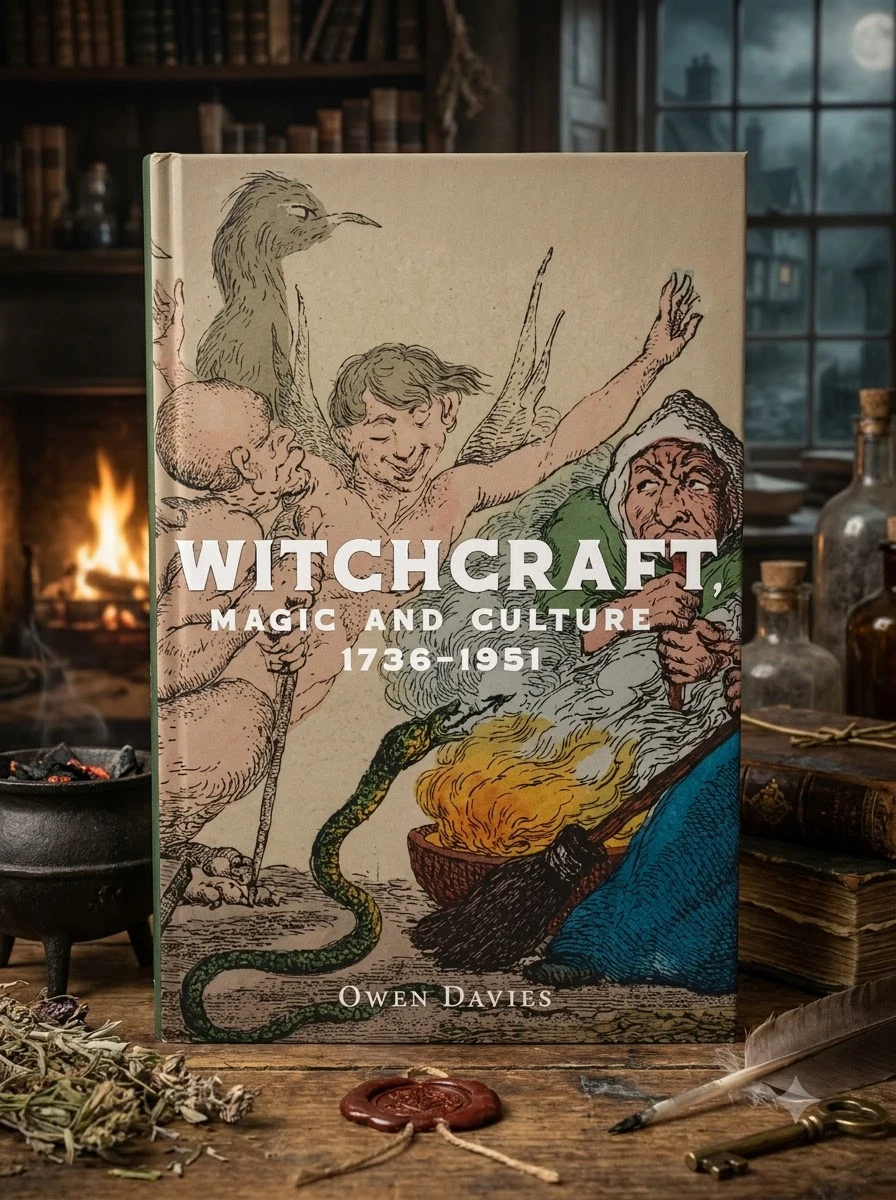
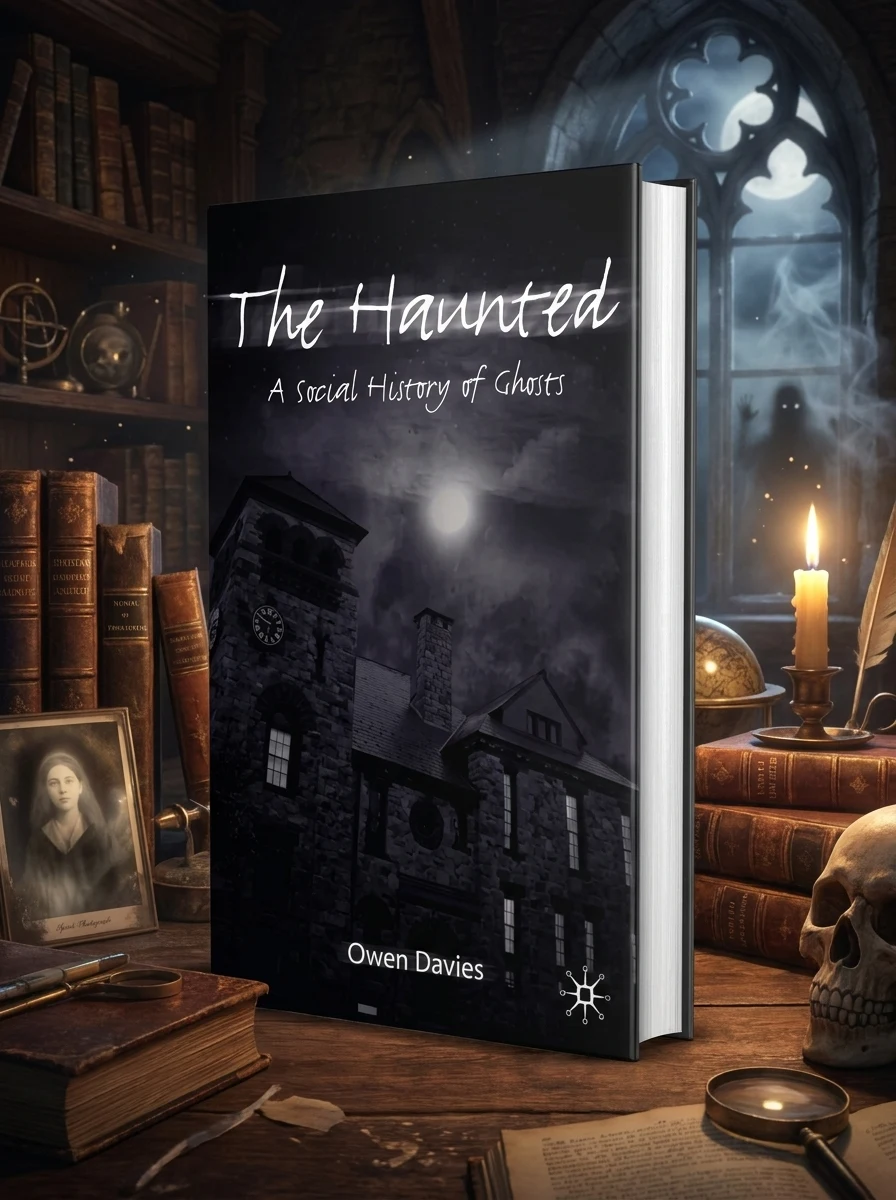
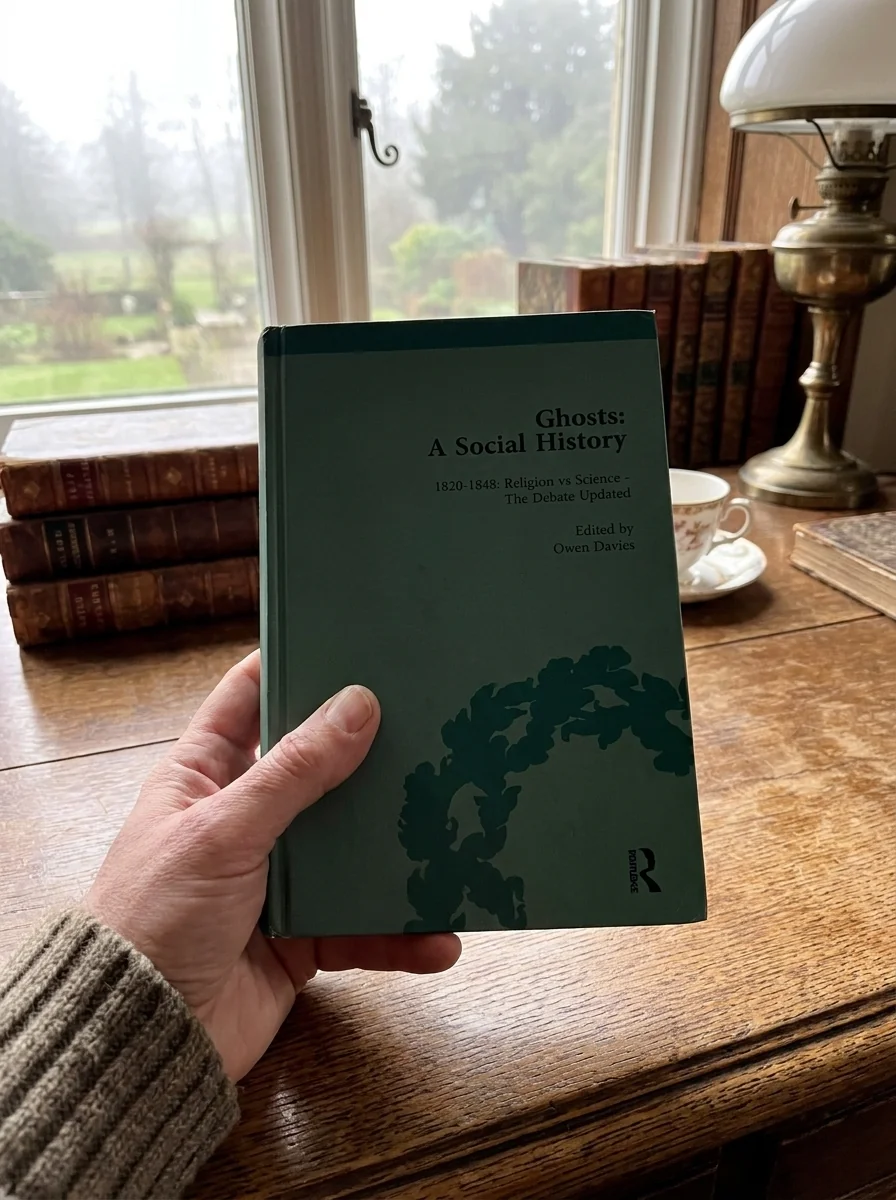
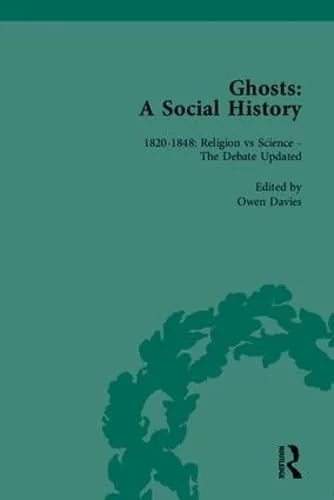
✍️ Davies, OwenOwen Davies meticulously chronicles the fascinating evolution of ghost beliefs, tracing how these spectral figures were perceived across societal strata from the Reformation through the twentieth century. This comprehensive five-volume set delves into pivotal historical discussions that shaped each era's understanding of the supernatural. It also examines the diverse literary forms, from pamphlets to novels, that both reported and interpreted ghostly phenomena, offering a rich tapestry of cultural shifts through the lens of the paranormal in Britain and America.


📝 Description: Ghosts: A Social History
💎 Expert review
📖 Why choose it
Why this book is worth reading
This volume is an essential resource for historians, sociologists, and serious students of occultism who seek to understand the intellectual underpinnings of belief rather than simply consuming sensationalist tales. Readers will gain a profound appreciation for how ghost stories functioned as mirrors for societal anxieties, religious shifts, and literary trends across Britain and America. By examining diverse forms from pamphlets to novels, Owen Davies offers a rich tapestry that reveals the human need to interpret the unknown. It is perfect for those who want to trace the genealogy of spectral presences through rigorous archival work, providing context that transforms casual curiosity into scholarly understanding of how we perceive the paranormal.
⭐ Reader reviews
Reader rating
Davies provides a meticulously researched chronicle of ghost beliefs, offering significant value to academics and dedicated researchers in cultural history. The five-volume scope allows for deep dives into pivotal discussions and literary interpretations across centuries. However, this text is likely too dense and academic for casual readers seeking quick thrills or simple supernatural entertainment. Those expecting fictional narratives or practical guides on haunting avoidance will find little utility here. It is a scholarly examination of societal shifts, not a collection of spooky anecdotes. Readers preferring narrative flair over sociological analysis may struggle with the focus on historical discourse and structural changes in perception rather than individual ghostly encounters.
❓ Frequently asked questions
📖 Who should read this
If you're fascinated by the intersection of history, folklore, and literature, or how cultural values shaped supernatural beliefs, this scholarly yet engaging work is for you. It offers profound insights into humanity's enduring relationship with the unknown.
🎯 Key themes and symbolism
Social Perception of Ghosts
How societal status, religious beliefs, and scientific advancements influenced what people believed about ghosts, revealing a dynamic interplay between the visible and invisible worlds. This theme explores the cultural mechanisms behind evolving perceptions of the spectral.
Ghostly Literary Narratives
Explores the diverse ways ghosts were depicted in print, from folklore collections and theological tracts to sensationalist accounts and gothic novels, showcasing their enduring appeal in storytelling. It analyzes how literature both reflected and shaped public understanding of the paranormal.
Historical Paranormal Debates
Examines the significant public and intellectual discussions surrounding ghost sightings and manifestations throughout history, illuminating the philosophical and scientific arguments that shaped public opinion on the supernatural. It highlights the ongoing debate between skepticism and belief.
📜 Historical context
📚 Glossary
- Reformation
- Spectrality
- Enlightenment
📔 Questions to reflect on
- How do modern supernatural narratives, in film or literature, reflect contemporary societal fears or values, similar to historical ghost stories?
- Consider a belief you once held that evolved significantly over time. What factors, societal or personal, contributed to that shift in understanding?
- If ghosts are cultural constructs, what does the enduring human fascination with them reveal about our shared psychological landscape?