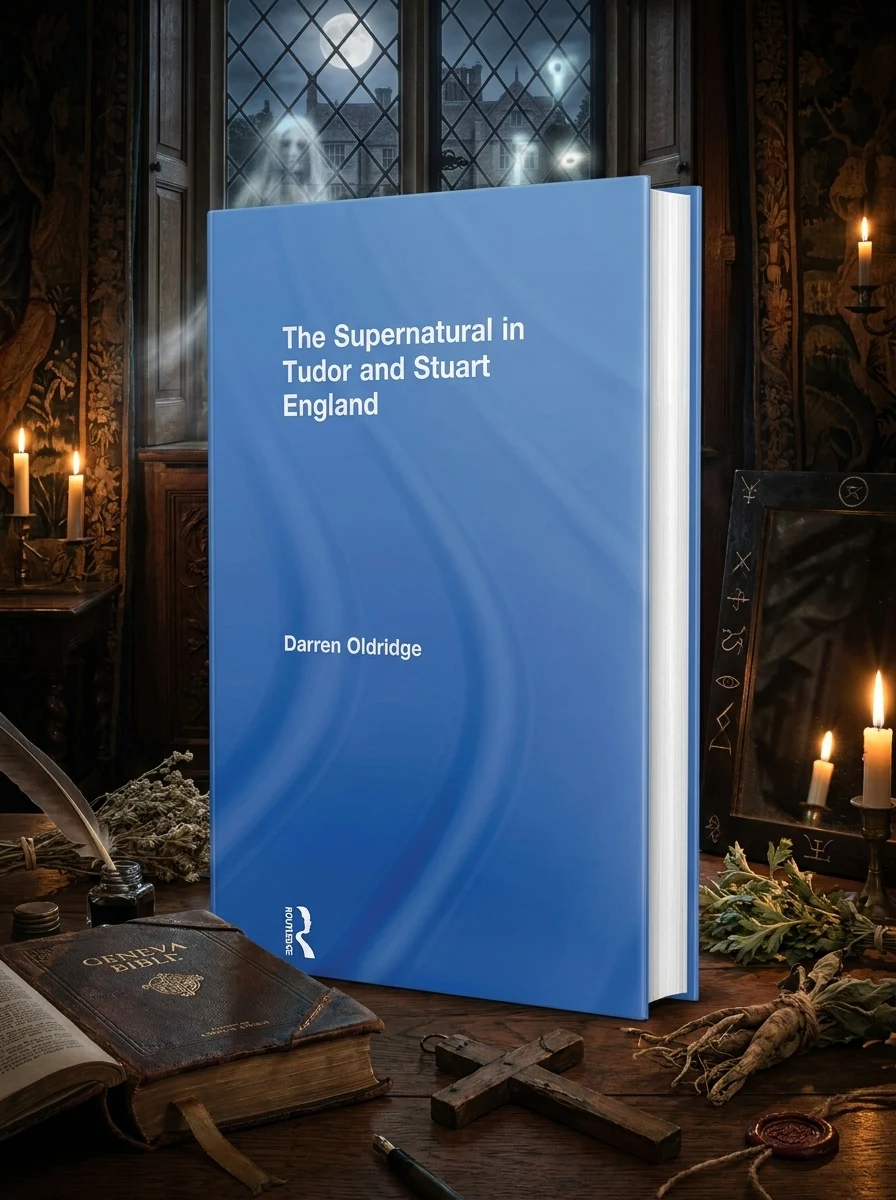
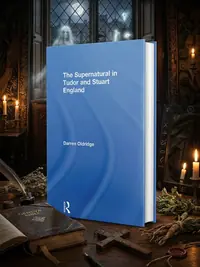
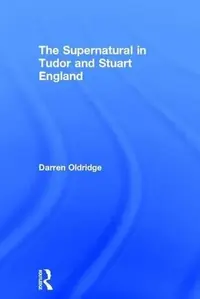
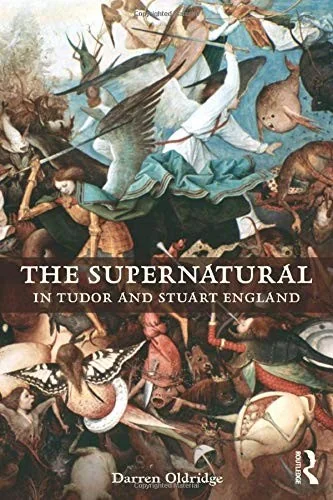
The Supernatural in Tudor and Stuart England
Oldridge, Darren 85
85
 Editorial score
How we rate
Editorial score
How we rate
This edition can be ordered. No arrival date is confirmed.
Unveil the unseen forces that shaped the very soul of Tudor and Stuart England.
Darren Oldridge's insightful work delves into the intricate spiritual landscape of early modern England, charting how people perceived the boundary between the earthly and the transcendent. This book masterfully illustrates how the English Reformation profoundly influenced encounters with spirits, magic, and unseen influences, demonstrating their pervasive role in everyday life. It meticulously unpacks the conceptual framework that informed these beliefs, exploring everything from divine interventions and angelic visitations to demonic encounters, witchcraft, and the evolving role of the occult in nascent scientific thought. An essential guide to a world where the supernatural was undeniably real.
This work situates itself within the rich historiography of early modern England, exploring the complex spiritual landscape where the English Reformation dramatically reshaped perceptions of the unseen. It bridges the gap between religious history and the study of magic, offering a nuanced view of how divine and demonic forces were woven into the fabric of daily life during the Tudor and Stuart eras.


📝 Description: The Supernatural in Tudor and Stuart England
💎 Expert review
📖 Why choose it
Why this book is worth reading
Readers fascinated by the intersection of faith, magic, and emerging scientific thought will find this book indispensable. Darren Oldridge provides a masterful unpacking of how early modern English people navigated a world where the supernatural was undeniably real. By examining divine interventions, witchcraft, and demonic encounters, the text reveals the pervasive influence of unseen forces on everyday existence. It is particularly rewarding for those seeking to understand the psychological and cultural frameworks that defined the boundary between the earthly and the transcendent during a period of profound religious upheaval.
⭐ Reader reviews
Reader rating
Oldridge offers a rigorous and insightful analysis of the spiritual dynamics in Tudor and Stuart England, meticulously detailing how the Reformation altered encounters with spirits and magic. The book excels in illustrating the conceptual frameworks behind these beliefs, making it a valuable resource for historians and enthusiasts of esoteric traditions. However, readers seeking light entertainment, fictional narratives, or simplistic explanations of witchcraft may find the dense academic tone and complex historical context challenging. It is not suited for those expecting a sensationalized account or a quick read; instead, it demands attention to its scholarly depth and nuanced exploration of early modern worldviews.
❓ Frequently asked questions
📖 Who should read this
If you're fascinated by the hidden histories of belief, the intersection of religion and magic, or simply curious about the daily lives of early modern English people, this book is for you. It offers a clear, comprehensive portal into a world where spirits walked among the living.
🎯 Key themes and symbolism
Blurring Spiritual Lines
Oldridge meticulously examines how the people of Tudor and Stuart England understood the porous boundary between the natural world and the realm of the supernatural. He reveals that for them, unseen forces were not separate but intimately interwoven with daily existence, challenging our modern, often distinct, categorizations.
Reformation's Occult Impact
The book highlights the profound influence of the English Reformation on supernatural beliefs. Rather than diminishing such notions, the religious upheaval often reinterpreted them, creating new anxieties and understandings around divine signs, demonic activity, and the efficacy of both sacred and profane magic within a changing theological landscape.
Pervasive Mystical Forces
Oldridge explores the myriad spiritual entities and practices that permeated early modern society. From an actively intervening God to a host of angels, demons, ghosts, and goblins, he shows how these beliefs informed everything from personal piety and social control to attempts at harnessing power through various forms of magic and even early scientific inquiry.
💬 Quotes from the book
“For the early modern mind, the unseen forces of spirits and portents were not distant abstractions but active participants in the daily fabric of existence, shaping decisions from harvest to health.”
“The seismic shifts of the Reformation, rather than eradicating spiritual marvels, often recontextualized them, transforming traditional folk beliefs into new battlegrounds for theological interpretation and control.”
📜 Historical context
📚 Glossary
- Tudor and Stuart England
- Immanent God
- Early Modern Period
📔 Questions to reflect on
- Reflect on how modern society distinguishes between the "natural" and "supernatural." How does this differ from the early modern perspective presented in the book, and what are the implications of this shift?
- Consider a specific event or belief discussed in the book (e.g., witchcraft, divine signs). How might understanding its historical context change your contemporary perception of similar phenomena or anxieties?
- Imagine living in Tudor or Stuart England. How would the pervasive belief in spirits and magic influence your daily decisions, moral choices, and understanding of misfortune or fortune?
✍️ More books by this author Oldridge, Darren
All books by this author →
🏛 Books from this publisher Routledge
All books from this publisher →
 89
89

You might also like
See more →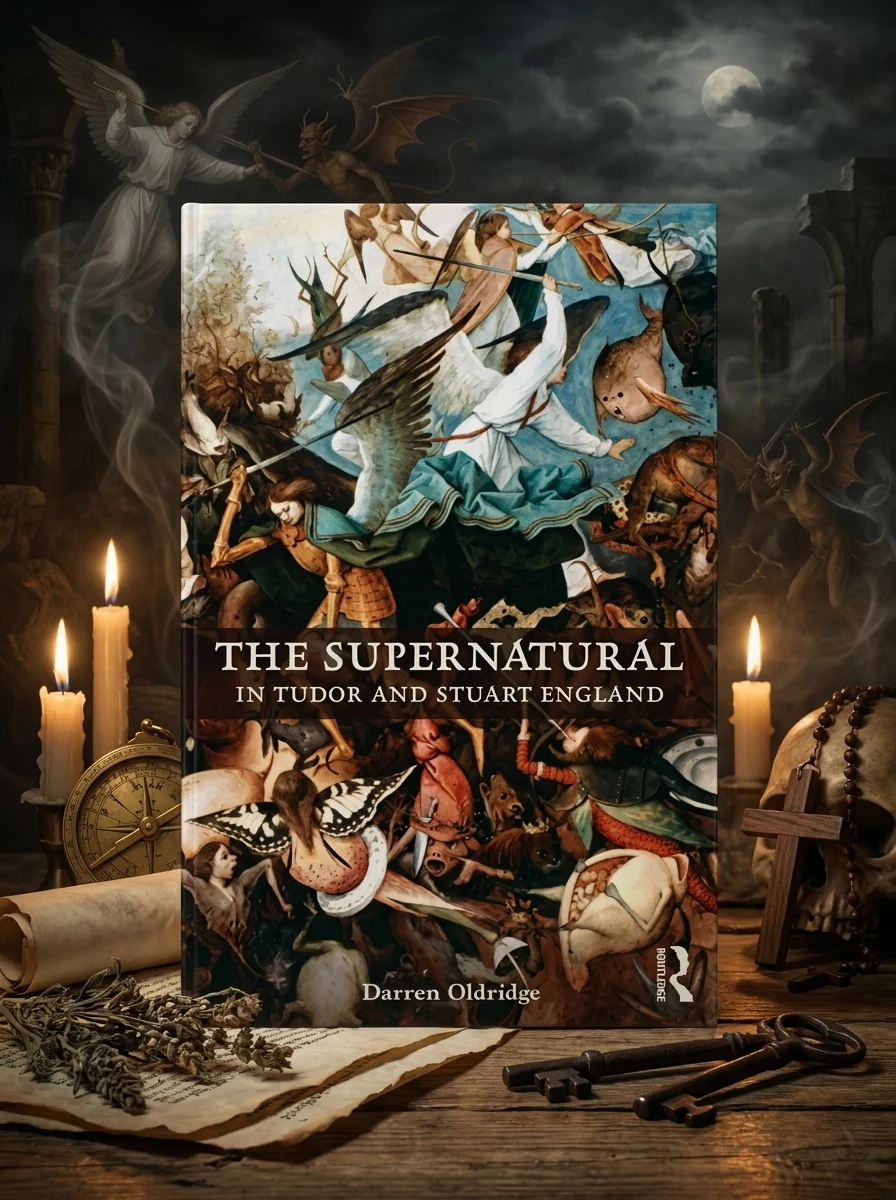
 91
91
 91
91
 90
90
 90
90