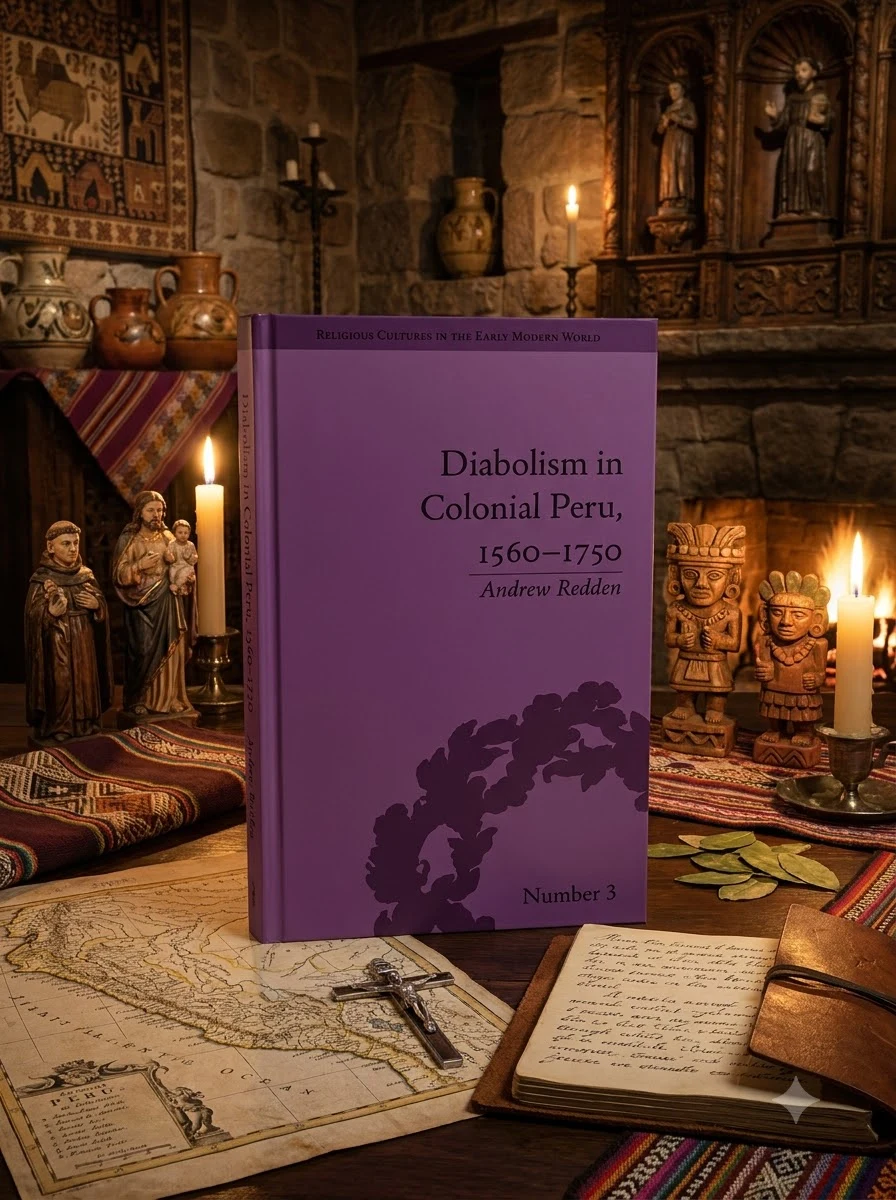
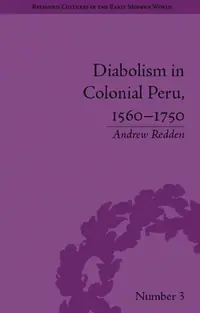
Diabolism in Colonial Peru, 1560-1750 Redden, Andrew
Redden, Andrew 89
89
 Editorial score
How we rate
Editorial score
How we rate
Stock reported in the catalog; fulfillment is confirmed with your request.
Unmask the devil's shifting face in colonial Peru's spiritual crucible.
Andrew Redden's compelling study delves into the multifaceted concept of diabolism in early modern Peru, spanning from 1560 to 1750. Moving beyond simplistic narratives of conquest, this work meticulously explores how the figure of the devil was understood, feared, and reimagined as Christian beliefs collided with indigenous Andean spiritual traditions. It reveals a dynamic cultural exchange, demonstrating that the spiritual landscape of colonial Peru was a far more intricate tapestry than mere conversion or outright resistance would suggest, offering a nuanced perspective on religious syncretism and conflict.
Situated within the historiography of early modern colonial Latin America, this work examines the complex intersection of Spanish Christian doctrine and indigenous Andean spiritual traditions during the period of religious syncretism. It contributes to the broader academic discourse on how colonial powers and native populations negotiated power through shared fears and reinterpretations of demonic figures.


📝 Description: Diabolism in Colonial Peru, 1560-1750 Redden, Andrew
💎 Expert review
📖 Why choose it
Why this book is worth reading
Scholars and enthusiasts of colonial history will find immense value in this nuanced exploration of spiritual dynamics. Redden offers a vital corrective to simplistic conquest narratives, revealing how the devil’s image shifted amidst cultural collision. Readers interested in religious syncretism, the psychology of fear, or the subtle mechanisms of resistance and adaptation in colonial Peru will gain a deeper understanding of this intricate tapestry. It is essential for those seeking to move beyond surface-level conversion stories and grasp the profound, ongoing negotiation of belief systems in early modern societies.
⭐ Reader reviews
Reader rating
This is a rigorous academic study that demands patience and historical literacy. While it successfully illuminates the complex reimagining of diabolism, it may not suit casual readers seeking narrative-driven adventure or those expecting straightforward moral binaries. It lacks the accessibility of popular history, focusing instead on meticulous analysis of spiritual exchange. Those looking for easy entertainment or clear-cut religious triumphalism will likely find its dense examination of syncretism and conflict too specialized. It is best reserved for serious students of colonial religious history who appreciate nuanced cultural critique over dramatic storytelling.
❓ Frequently asked questions
📖 Who should read this
If you're fascinated by the anthropology of religion, colonial history, or the complex interplay of belief systems, this book offers a profound journey into a pivotal era. Readers interested in how cultures adapt and reinterpret powerful spiritual symbols will find it especially enlightening.
🎯 Key themes and symbolism
The Devil's Evolving Image
This book meticulously traces how the concept of the diablo transformed upon encountering the Andean world. It explores how European notions of Satan were adopted, adapted, and reinterpreted by indigenous populations, often blending with pre-existing ancestral spirits or malevolent entities, creating a unique, localized understanding of evil and temptation that defied simple categorization.
Transcultural Spiritual Encounters
Redden illuminates the profound and often surprising ways Christian and Andean spiritual systems intertwined. Rather than a one-sided imposition, the text demonstrates a complex dialogue where both cultures influenced the perception and role of the devil. This interaction resulted in a syncretic understanding that was neither purely European nor entirely indigenous, but a new, colonial spiritual reality.
Challenging Colonial Dichotomies
The work powerfully refutes the oversimplified historical view of colonial encounters as a clear-cut struggle between European conversion and indigenous resistance. Instead, it showcases a much more fluid and ambiguous reality, where religious concepts were negotiated, misunderstood, and strategically employed by all parties, revealing the intricate power dynamics and cultural accommodations at play.
💬 Quotes from the book
“The figure of the diablo in the Andes became a contested site, reflecting not merely European imposition but a profound indigenous reinterpretation of cosmic balance and localized malevolence.”
“Far from a straightforward clash, the encounter birthed new spiritual hybridities, where even the infernal took on unexpected, localized forms, weaving itself into the very fabric of Andean communal life.”
📜 Historical context
📚 Glossary
- Diabolism
- Transcultural Phenomenon
- Andean Worldview
📔 Questions to reflect on
- How might a culture's existing spiritual beliefs influence its interpretation of a newly introduced concept of 'evil' or 'the devil'?
- Consider historical events where religious conversion was a key factor. How might a 'transcultural' lens change our understanding of those events, moving beyond simple narratives of victory or defeat?
- What contemporary examples can you identify where distinct cultural or religious ideas are blending or clashing, creating new, unexpected interpretations of central concepts?
📖 From the series “Religious Cultures in the Early Modern World”
All books in the series →
✍️ More books by this author Redden, Andrew
All books by this author →🏛 Books from this publisher Routledge
All books from this publisher →

 89
89

You might also like
See more →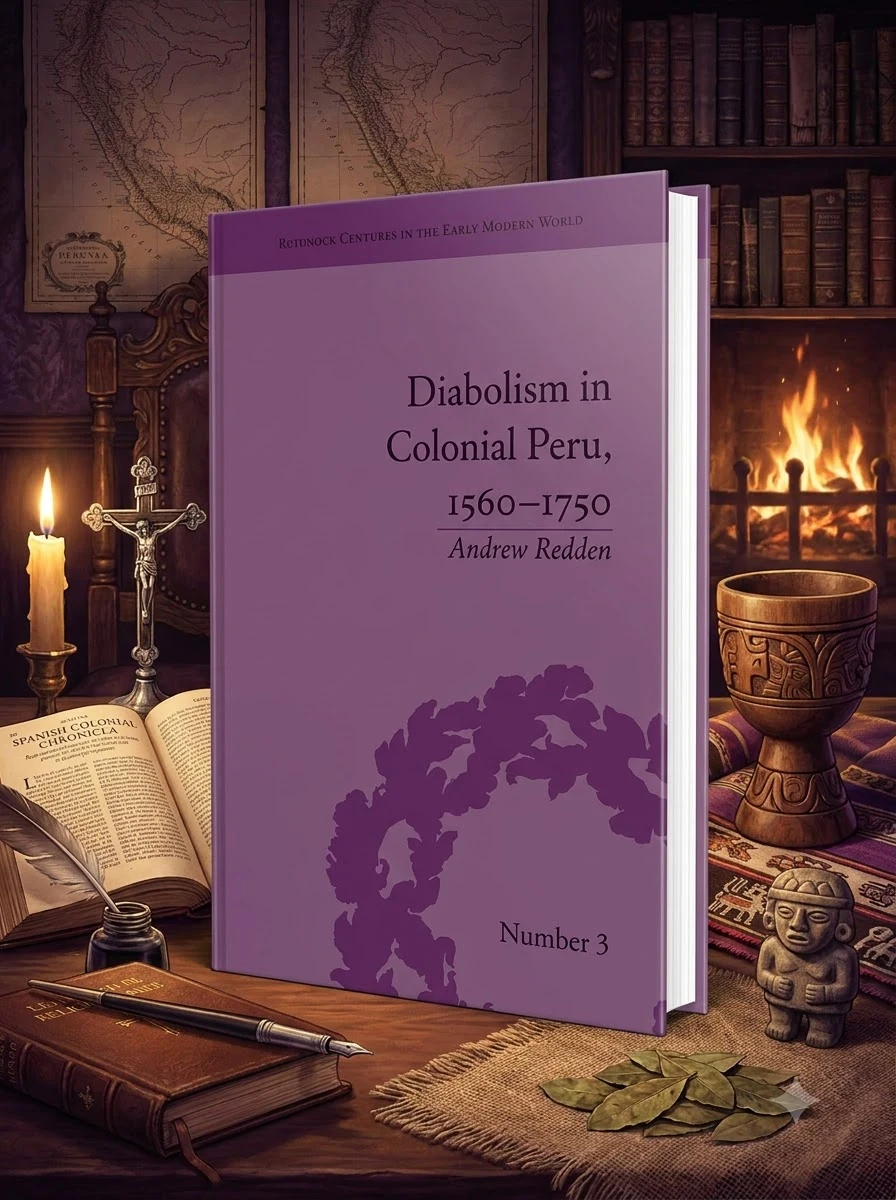
 91
91
 91
91
 90
90

 90
90