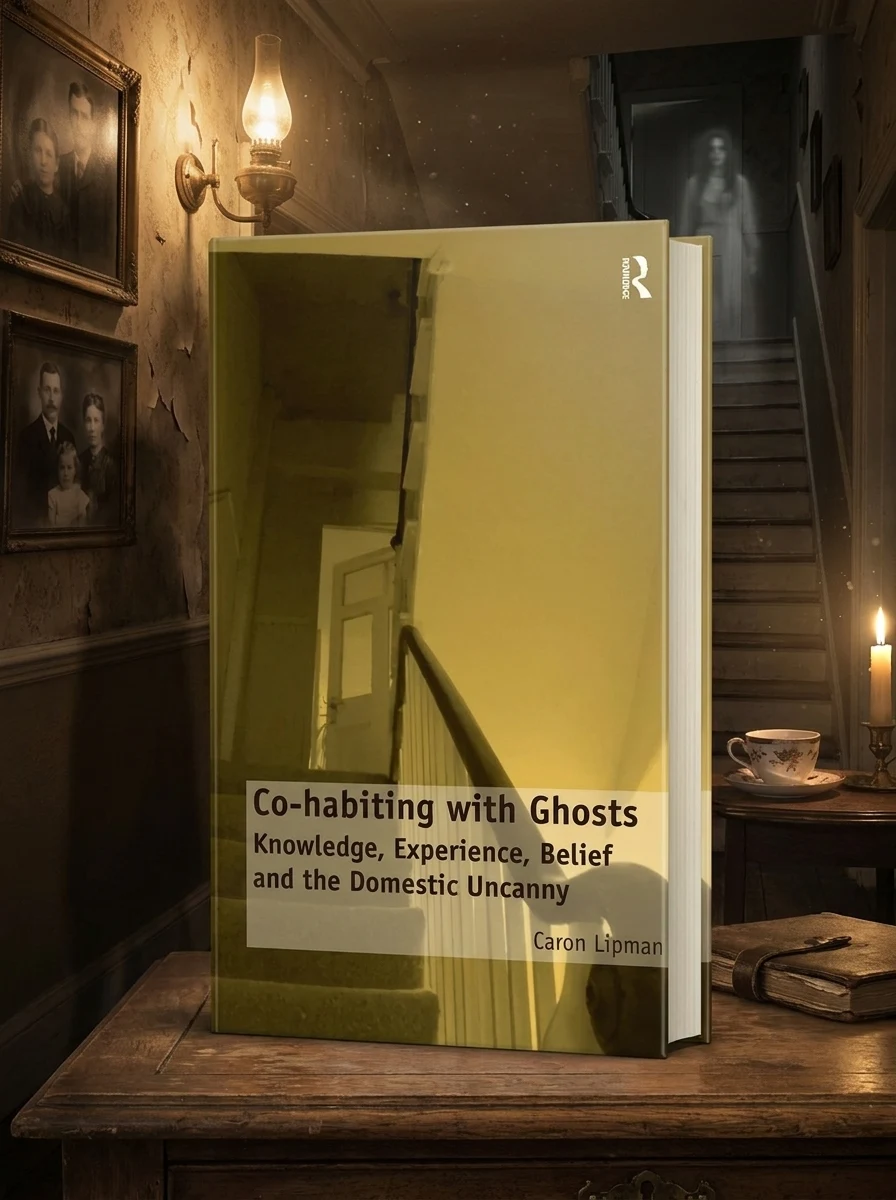
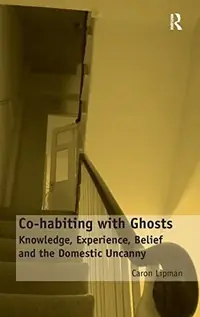
Co-habiting with Ghosts: Knowledge, Experience, Belief and the Domestic Uncanny
Lipman, Caron 82
82
 Editorial score
How we rate
Editorial score
How we rate
Stock reported in the catalog; fulfillment is confirmed with your request.
Explore the intimate, uncanny coexistence of the living and the dead within the modern domestic sphere.
This work investigates the nuanced reality of haunting not as mere superstition, but as a complex social and psychological phenomenon. By examining households across England and Wales, the author reveals how residents negotiate the presence of the unseen through gendered lenses, material memory, and shifting beliefs. It offers a sophisticated framework for understanding how we share space with ghosts, balancing the weight of history with the immediacy of daily life, ultimately redefining the home as a contested site of knowledge and belief.
This volume sits within contemporary sociological and anthropological studies of the occult, bridging academic inquiry into the domestic uncanny with broader esoteric interests in spirit presence. It reflects a modern shift toward understanding haunting as a lived social reality rather than purely folklore.


📝 Description: Co-habiting with Ghosts: Knowledge, Experience, Belief and the Domestic Uncanny
💎 Expert review
📖 Why choose it
Why this book is worth reading
Readers drawn to the intersection of psychology, sociology, and spiritual experience will find this text profoundly rewarding. It is ideal for those who sense the weight of history in their own homes and seek a framework that validates these experiences without resorting to superstition. By exploring how gender and material memory shape our interaction with the unseen, the book offers a sophisticated lens for understanding the domestic sphere as a contested site of belief. It appeals to anyone curious about the nuanced negotiation between the living and the dead, providing intellectual depth to what is often dismissed as mere ghost stories. This work empowers readers to view their living spaces as dynamic environments where knowledge and experience coexist, offering clarity on the intimate uncanny realities that define our shared human condition.
⭐ Reader reviews
Reader rating
Bought this as a gift for my sister and ended up ordering a second copy for myself. A text you study rather than simply read. There's real depth here that reveals itself on a second reading. A few pages arrived with light corner wear, though nothing serious. Happy enough with the purchase.
I collect works on this subject and this is a worthy addition. The historical context alone makes it worth the price. Solid binding, decent paper — holds up to heavy use. I'd have loved an index, but that's on the original text. Good, with the caveats above.
Lipman delivers a rigorous academic examination of haunting, treating it as a complex social phenomenon rather than a paranormal spectacle. The text is dense with theoretical frameworks regarding gendered lenses and material memory, making it essential for scholars but potentially dry for casual enthusiasts. It does not suit readers seeking practical ghost-hunting guides, sensationalist horror narratives, or simple affirmations of spiritualism. Instead, it challenges the audience to engage with difficult sociological concepts about space and belief. While intellectually stimulating and beautifully argued, its academic tone may alienate those looking for emotional comfort or straightforward esoteric advice. It is a serious contribution to occult studies, demanding active engagement from its readership.
❓ Frequently asked questions
📖 Who should read this
Readers interested in the sociology of the supernatural, architectural psychology, and those seeking to understand the emotional labor of living with unexplained phenomena in their own homes.
🎯 Key themes and symbolism
Domestic Haunting
Material Memory
Subjective Reality
💬 Quotes from the book
“Home as a place both dynamic and differentiated, illuminating the complexity of 'everyday' experience.”
“A distinctive self-other relationship within such close quarters.”
📜 Historical context
📚 Glossary
- The Domestic Uncanny
- Non-reductive Approach
- Co-habiting
📔 Questions to reflect on
- How do the physical objects in your home hold memories that feel 'alive' or charged with presence?
- Can you recall a moment where the boundary between your private self and an external 'other' felt blurred within your living space?
- What cultural narratives have shaped your interpretation of unexplained sounds or feelings in your domestic environment?
✍️ More books by this author Lipman, Caron
All books by this author →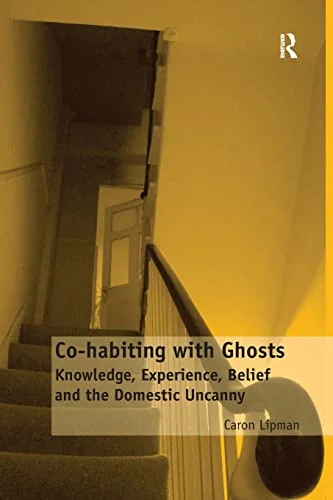
🏛 Books from this publisher Routledge
All books from this publisher →
 89
89
You might also like
See more →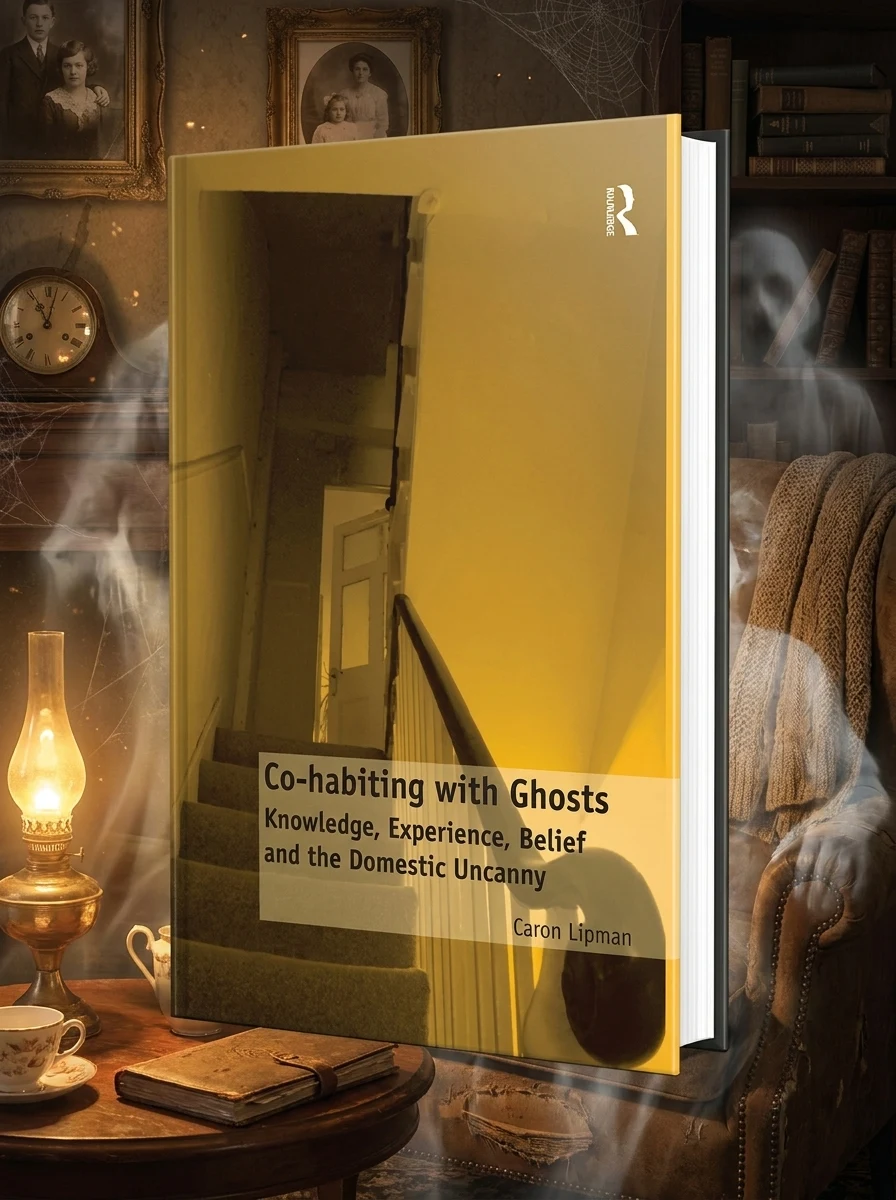
 91
91
 91
91
 90
90
 90
90