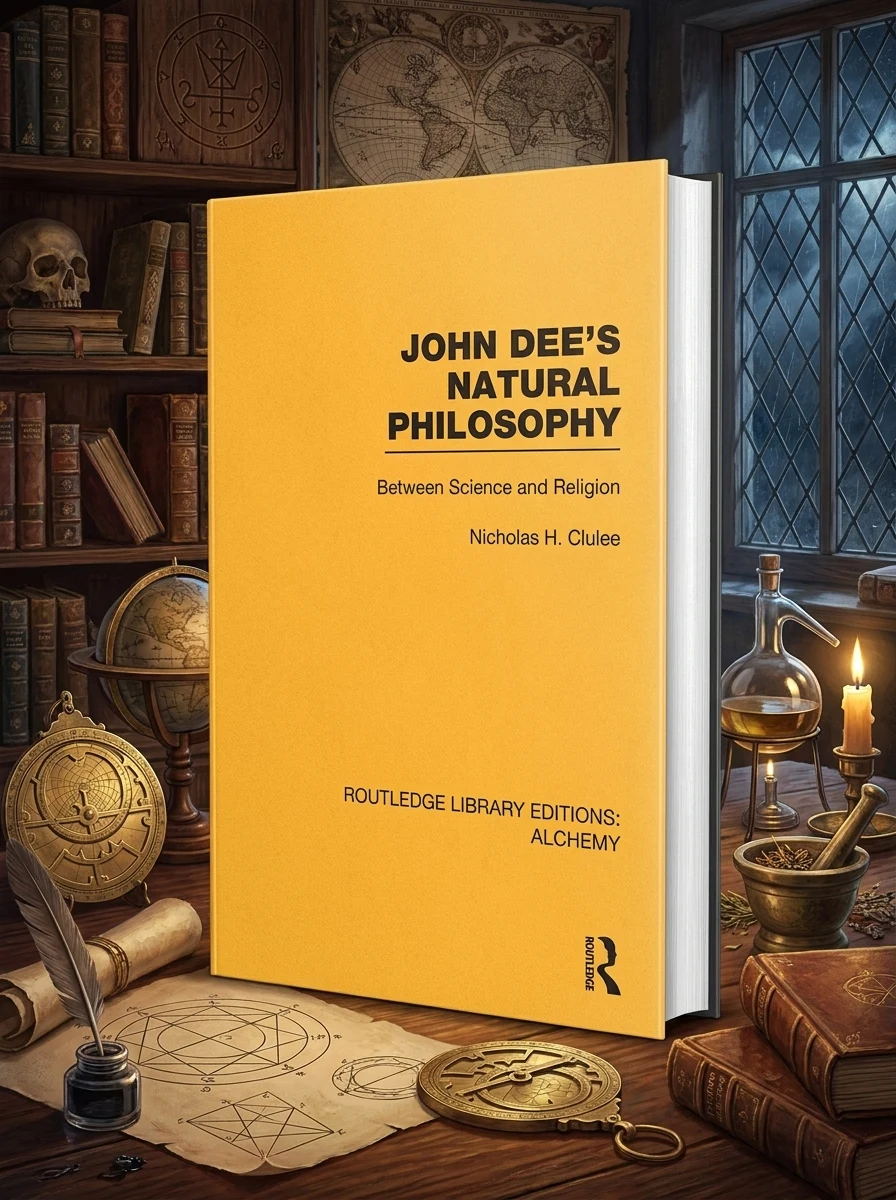
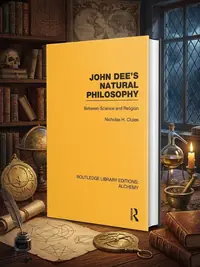
John Dee's Natural Philosophy: Between Science and Religion Clulee, Nicholas
Clulee, Nicholas 82
82
 Editorial score
How we rate
Editorial score
How we rate
Stock reported in the catalog; fulfillment is confirmed with your request.
Dee's library reveals the alchemy of Renaissance thought, blending celestial geometry with divine magic.
Nicholas Clulee’s definitive study dissects the complex mind of John Dee, moving beyond the charlatan myths to reveal a rigorous intellectual architecture. By analyzing Dee’s annotated volumes and biographical fragments, Clulee demonstrates how mathematics, navigation, and theurgy were not opposing forces but integrated pursuits. This work repositions Dee as a pivotal figure in sixteenth-century natural philosophy, showing how his quest for divine knowledge informed both scientific discovery and occult practice, offering a nuanced portrait of a man who sought to map the heavens and the soul simultaneously.
This work situates John Dee within the Renaissance tradition where natural philosophy, mathematics, and divine magic were not opposing forces but integrated pursuits for understanding the cosmos. It challenges modern dichotomies by revealing how sixteenth-century intellectuals sought to map both heavens and souls through a unified intellectual architecture.


📝 Description: John Dee's Natural Philosophy: Between Science and Religion Clulee, Nicholas
💎 Expert review
📖 Why choose it
Why this book is worth reading
Scholars and serious enthusiasts of esoteric history will find this text indispensable for dispelling the charlatan myths surrounding John Dee. Clulee offers a rigorous intellectual architecture, demonstrating how mathematics, navigation, and theurgy functioned as cohesive elements in Dee’s quest for divine knowledge. Readers seeking to understand the seamless blend of celestial geometry and alchemy in Renaissance thought will appreciate the nuanced portrait of a man mapping the heavens and the soul simultaneously. This book is essential for anyone wishing to grasp the complex mind behind the era's most pivotal natural philosopher, providing clarity on how scientific discovery and occult practice were deeply intertwined rather than contradictory.
⭐ Reader reviews
Reader rating
My third book from this store and this one might be the best. The symbolism is layered and generous to patient readers. Definitely recommend.
Added this to my reference shelf. I found myself reading passages aloud just to sit with them. Five stars from me.
As someone who reads a lot in this field, I can be picky. Some chapters demand a slow, careful read, and that's exactly the point. The language takes some getting used to, but it becomes part of the charm. Highly recommend to serious students.
Nicholas Clulee’s definitive study is a vital corrective to popular misconceptions, using annotated volumes to reveal Dee’s rigorous methodology. It successfully repositions him as a central figure in sixteenth-century natural philosophy, showing the integration of science and religion. However, this dense biographical and textual analysis may alienate casual readers seeking narrative adventure or simple occult lore. Those expecting sensational tales of magic will find the focus on intellectual architecture dry. It is strictly for those willing to engage with deep historical context and complex philosophical frameworks without distraction from myth.
❓ Frequently asked questions
📖 Who should read this
Readers fascinated by the intersection of early modern science and mysticism will find this essential. It suits historians, occultists, and scholars of the Elizabethan era seeking depth beyond superficial biographical sketches.
🎯 Key themes and symbolism
Renaissance Syncretism
Annotated Bibliography
Mathematical Theurgy
💬 Quotes from the book
“Dee’s library was not merely a collection of books, but a workshop where geometry and theology fused into a single tool for divine inquiry.”
“To dismiss Dee as a mere charlatan is to misunderstand the rigorous intellectual discipline underlying his esoteric experiments.”
📜 Historical context
📚 Glossary
- Angel Magic
- Hermeticism
- Monas Hieroglyphica
📔 Questions to reflect on
- How might your current pursuits change if you viewed scientific inquiry and spiritual seeking as a single, unified discipline?
- What modern 'ancient wisdom' do you rely on, and how does it shape your understanding of reality?
- In what ways does the physical environment (like a library) influence the formation of your intellectual identity?
✍️ More books by this author Clulee, Nicholas
All books by this author →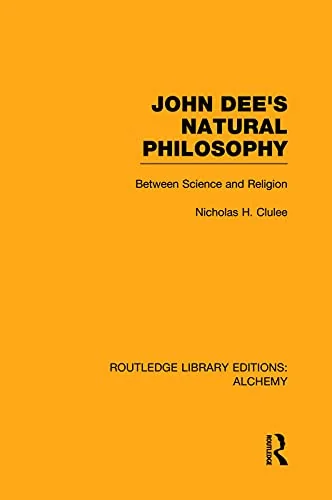
🏛 Books from this publisher Routledge
All books from this publisher →
 89
89

You might also like
See more →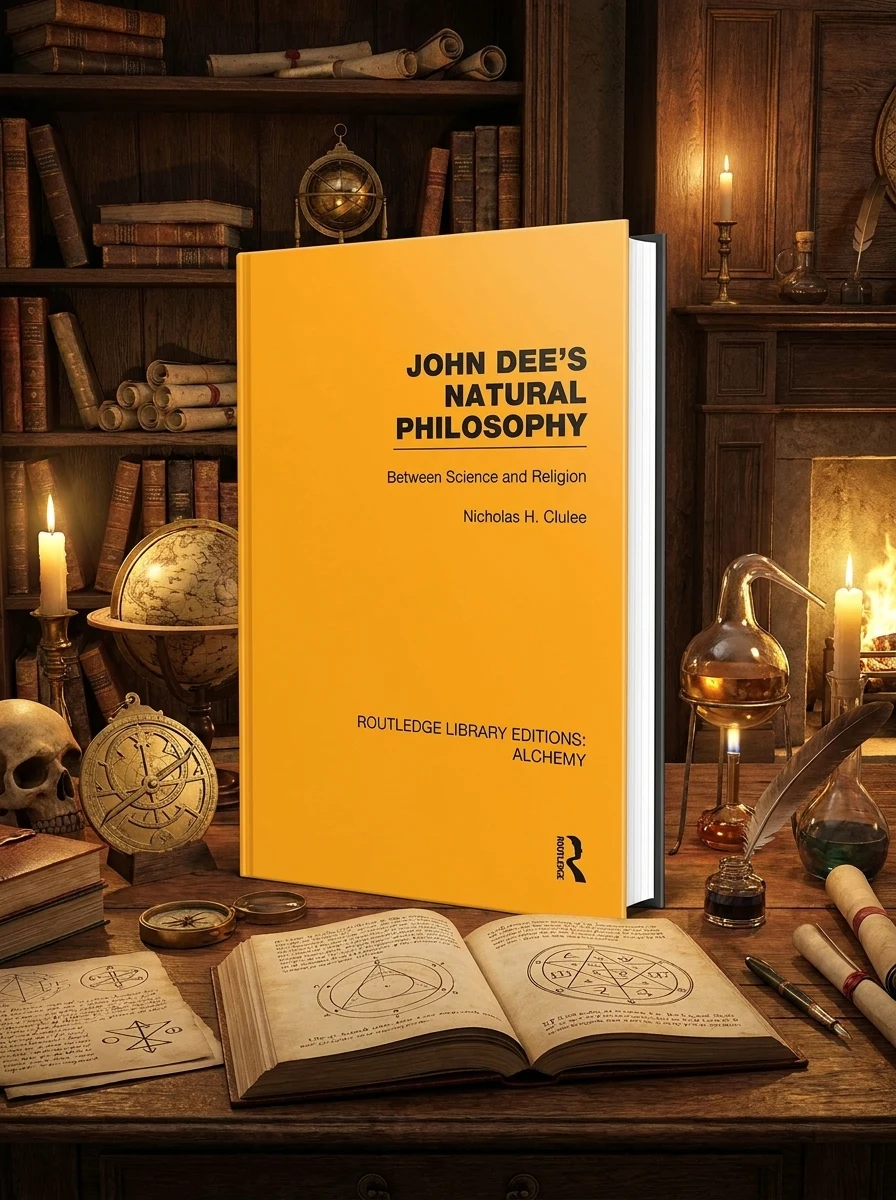
 91
91
 91
91
 90
90
 90
90