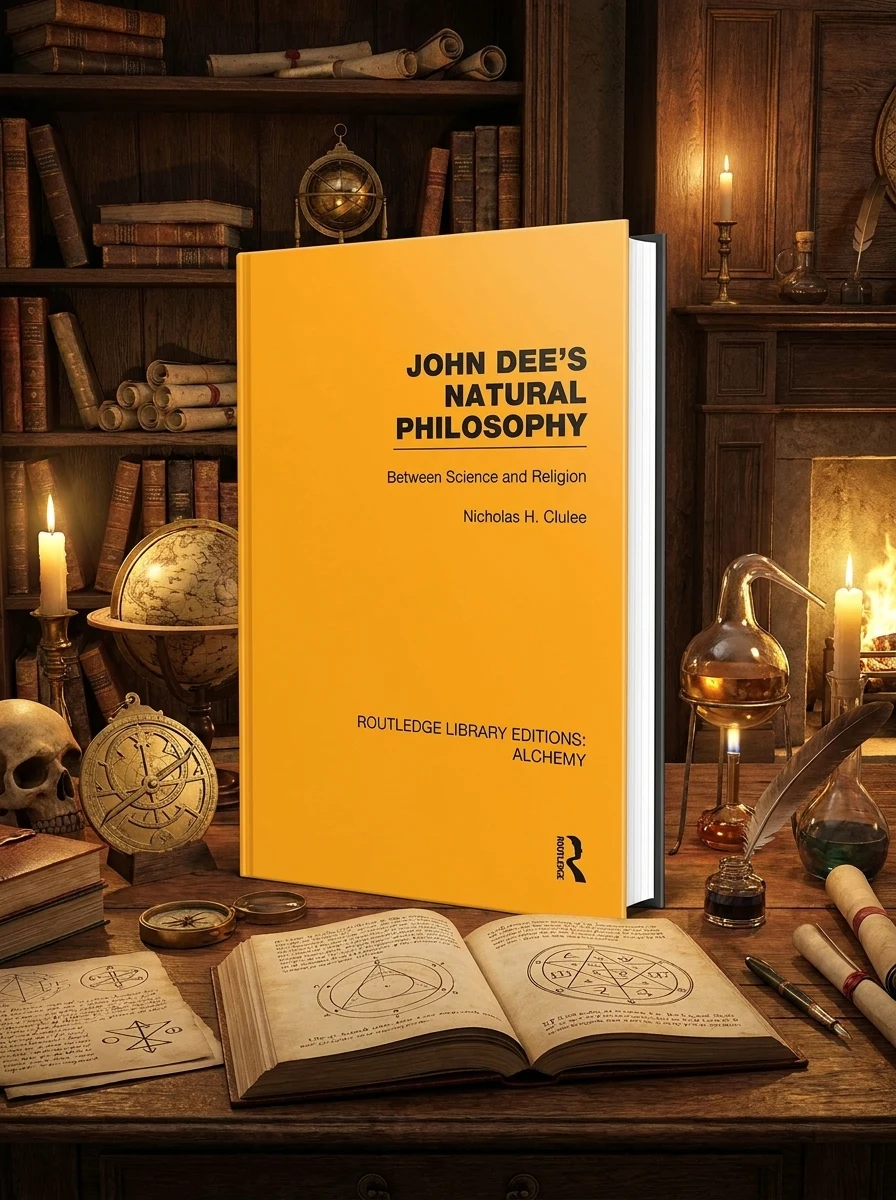
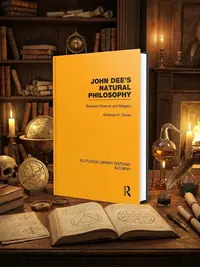
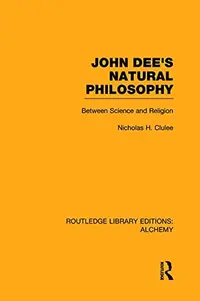
John Dee's Natural Philosophy: Between Science and Religion Clulee, Nicholas
Clulee, NicholasStock reported in the catalog; fulfillment is confirmed with your request.
Unravel the enigma of John Dee, where magic met mathematics in Elizabethan England.
Nicholas Clulee delivers the definitive examination of John Dee, the controversial polymath who straddled the realms of science and esotericism under Elizabeth I. This meticulous study moves beyond simplistic labels of 'genius' or 'charlatan,' offering a nuanced perspective on Dee's 'natural philosophy.' Drawing extensively from his writings, biographical details, and deeply annotated library, Clulee illuminates Dee’s pivotal role in Renaissance thought, exploring how his mystical pursuits intertwined with his scientific contributions to navigation and cosmology, providing an essential historical context for understanding his enduring legacy.
This work situates John Dee within the complex intellectual landscape of Elizabethan England, exploring the fluid boundary between natural philosophy and esotericism during the Renaissance. It highlights a period where mystical pursuits and early scientific contributions to navigation and cosmology were deeply intertwined in the minds of polymaths.


📝 Description: John Dee's Natural Philosophy: Between Science and Religion Clulee, Nicholas
💎 Expert review
📖 Why choose it
Why this book is worth reading
Readers fascinated by the intersection of magic and mathematics will find this book an essential guide to understanding John Dee’s legacy. It is ideal for those who wish to move beyond simplistic labels of genius or charlatan to grasp the nuanced reality of his life. By examining his writings and annotated library, Clulee provides crucial historical context for anyone interested in how mystical beliefs fueled scientific advancements in navigation and cosmology during Elizabeth I's reign.
⭐ Reader reviews
Reader rating
Clulee offers a definitive, meticulous examination that strips away myth to reveal Dee’s pivotal role in Renaissance thought. While it succeeds in illuminating the intricate link between his esoteric interests and scientific contributions, this dense scholarly approach may alienate casual readers seeking a narrative biography or easy access to occult lore. It is strictly for those prepared to engage with academic rigor regarding historical context rather than sensationalist tales of magic. The book demands patience but rewards it with profound insight into the era's intellectual currents.
❓ Frequently asked questions
📖 Who should read this
For those captivated by the complex figures of the Renaissance, particularly the intersection of early science, magic, and royal courts. If you seek to understand how brilliant minds reconciled disparate fields, this thorough investigation into John Dee's world is an essential addition to your collection.
🎯 Key themes and symbolism
Renaissance Intellectual Crossroads
This work meticulously explores John Dee's multifaceted intellectual landscape, showcasing his mastery across mathematics, astronomy, navigation, and alchemy. It illustrates how his pursuit of knowledge was holistic, rejecting modern disciplinary boundaries and embracing a worldview where empirical observation and mystical insight were intertwined elements of a single quest for understanding the cosmos.
Bridging Science & Occult
The book critically examines the perceived tension between Dee's scientific endeavors and his engagement with the occult. It argues that for Dee, these were not contradictory but complementary paths within his overarching 'natural philosophy,' revealing a Renaissance mindset where spiritual exploration and rigorous scientific inquiry often informed one another, rather than being mutually exclusive.
Elizabethan Court Influence
Clulee contextualizes Dee's work within the vibrant intellectual and political milieu of Elizabethan England. It highlights his significant influence as a royal advisor, astrologer, and geographer, demonstrating how his esoteric interests were not isolated but integral to his public role, shaping exploration, statecraft, and the burgeoning scientific landscape of the era.
💬 Quotes from the book
“Dee's unique position at the fulcrum of emerging empirical science and a deeply entrenched hermetic tradition was not a contradiction, but rather the very essence of his intellectual ambition.”
“To properly assess Dee's contributions, one must shed anachronistic labels and endeavor to understand his universe on its own terms, where the celestial and terrestrial were inextricably linked.”
📜 Historical context
📚 Glossary
- Magus
- Natural Philosophy
- Renaissance
📔 Questions to reflect on
- How might our understanding of 'science' change if we reintegrate elements of 'natural philosophy' that were once considered valid?
- Consider how figures like John Dee, operating at the fringes of accepted knowledge, can both advance and complicate societal understanding. Where do we see similar dynamics today?
- Reflect on the role of individual genius versus the collective intellectual climate in shaping historical progress. How much was Dee a product of his time, and how much a catalyst?
✍️ More books by this author Clulee, Nicholas
All books by this author →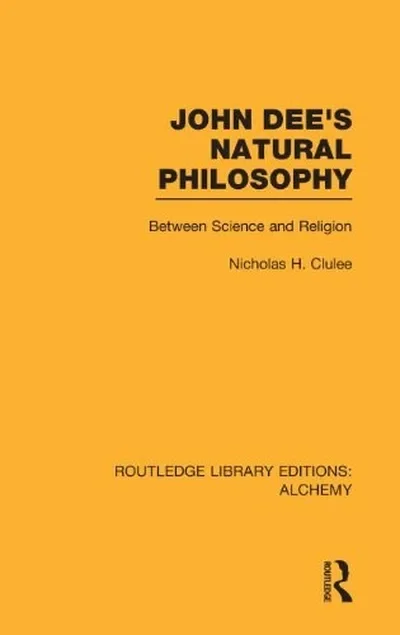
🏛 Books from this publisher Routledge
All books from this publisher →
 89
89
You might also like
See more →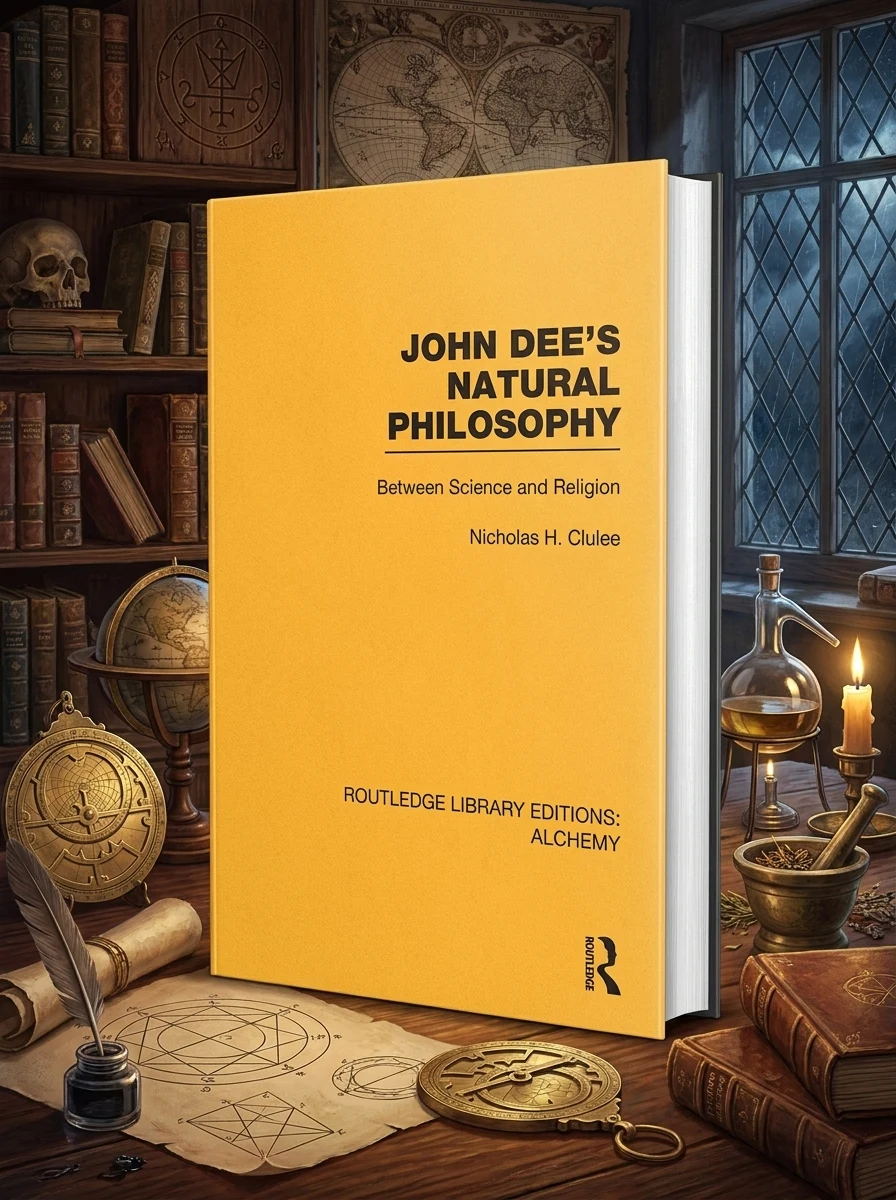
 91
91
 91
91
 90
90