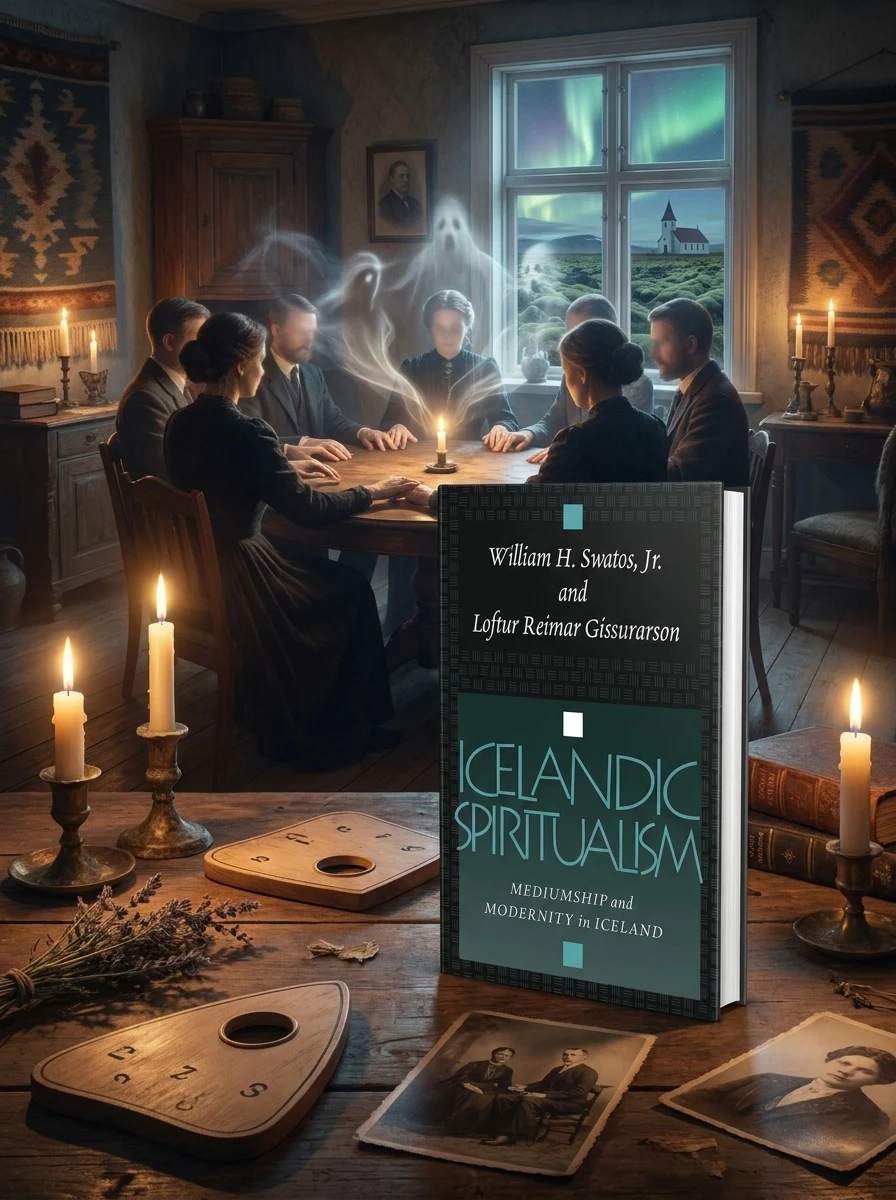
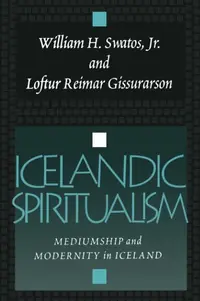
Icelandic Spiritualism: Mediumship and Modernity in Iceland
Gissurarson, Loftur ReimarThis edition can be ordered. No arrival date is confirmed.
Uncover Iceland's hidden spirit world, where modernity met the unseen in a dance of belief.
This compelling anthropological exploration delves into the fascinating role of spiritualism within Icelandic society and its established church during the early 20th century. It offers a fresh perspective, challenging conventional religious studies by presenting rich historical data on psychic phenomena and the spirit world's enduring influence. The book meticulously chronicles the emergence of modern spiritualism as a unique cultural force, examining its intricate connections with Iceland's historical conversion to Christianity and the public discourse fostered through contemporary newspapers. It argues persuasively that spiritualism was not a marginal curiosity but a pivotal element in the nation's journey towards modernity.
This work situates itself within the niche intersection of anthropological religious studies and Icelandic cultural history, examining how spiritualism functioned as a pivotal force in the nation's transition toward modernity during the early 20th century.


📝 Description: Icelandic Spiritualism: Mediumship and Modernity in Iceland
💎 Expert review
📖 Why choose it
Why this book is worth reading
Readers fascinated by the complex interplay between societal modernization and esoteric belief systems will find this text indispensable. It moves beyond the typical marginalization of spiritualism, offering a rigorous look at how psychic phenomena and spirit worlds influenced established institutions like the church and public discourse through newspapers. Those interested in Icelandic history or the global spread of occult movements during the early 1900s will appreciate the fresh perspective provided here. This book is essential for anyone seeking to understand how modernity was not just a secular project, but one deeply entangled with the unseen and the spiritual, challenging conventional religious studies frameworks with rich historical data.
⭐ Reader reviews
Reader rating
This anthropological exploration offers a compelling, albeit academically dense, look at Iceland's unique relationship with spiritualism. It successfully argues that these practices were central to modernity rather than peripheral curiosities, supported by extensive analysis of contemporary newspapers and historical conversion contexts. However, it is strictly scholarly and may alienate casual readers seeking accessible mysticism or practical occult guidance. The focus on institutional history and public discourse makes it less suitable for those preferring narrative-driven occult histories or purely theoretical philosophy. It demands patience and an interest in socio-religious dynamics rather than personal spiritual experience.
❓ Frequently asked questions
📖 Who should read this
For anyone intrigued by the intersection of belief, society, and history, this book offers profound insights. If you seek to understand how spiritual movements shape national identity and challenge academic norms, this deep dive into Iceland's unique past will illuminate and provoke thought.
🎯 Key themes and symbolism
Spiritualism and Modernity
Explores how spiritual practices in Iceland were deeply interwoven with the nation's societal evolution, challenging the notion that spiritualism was merely an anomaly. Instead, it positions communication with spirits as a central, formative aspect of Iceland's transition into the modern era, reflecting changing beliefs and societal structures.
Icelandic Religious Evolution
Delves into the distinctive path of religious development in Iceland, particularly focusing on the unique historical context of its Christianization. The book analyzes how traditional beliefs and the advent of modern spiritualism interacted with the established church, creating a complex and often debated spiritual landscape.
Social Anthropological Lens
Presents a rigorous social anthropological examination of spiritualism, moving beyond simplistic theoretical frameworks. It provides meticulously gathered evidence and descriptive accounts to illustrate the real-world impact of mediumistic phenomena on various societal groups, including the state church and the wider public as documented in newspapers.
💬 Quotes from the book
“The pervasive presence of spirit communication in daily Icelandic life wasn't a fringe belief, but a thread woven deeply into the fabric of evolving social structures and religious discourse.”
“Examining the widespread reports of mediumistic phenomena in local newspapers reveals not only public fascination but also the profound tension and adaptation within the state church.”
📜 Historical context
📚 Glossary
- Spiritualism
- Mediumship
- Fin-de-siècle
📔 Questions to reflect on
- How might the integration of spiritual practices into a national identity, as seen in Iceland, challenge our contemporary understanding of secularism and modernity?
- Consider the role of "deviant" religious movements in shaping a society's mainstream beliefs. How did Icelandic spiritualism illustrate this dynamic?
- If mediumistic phenomena were widely reported in today's media, how do you think institutions like established churches or scientific bodies would react compared to the early 20th century?
✍️ More books by this author Gissurarson, Loftur Reimar
All books by this author →
🏛 Books from this publisher Routledge
All books from this publisher →



 89
89

You might also like
See more →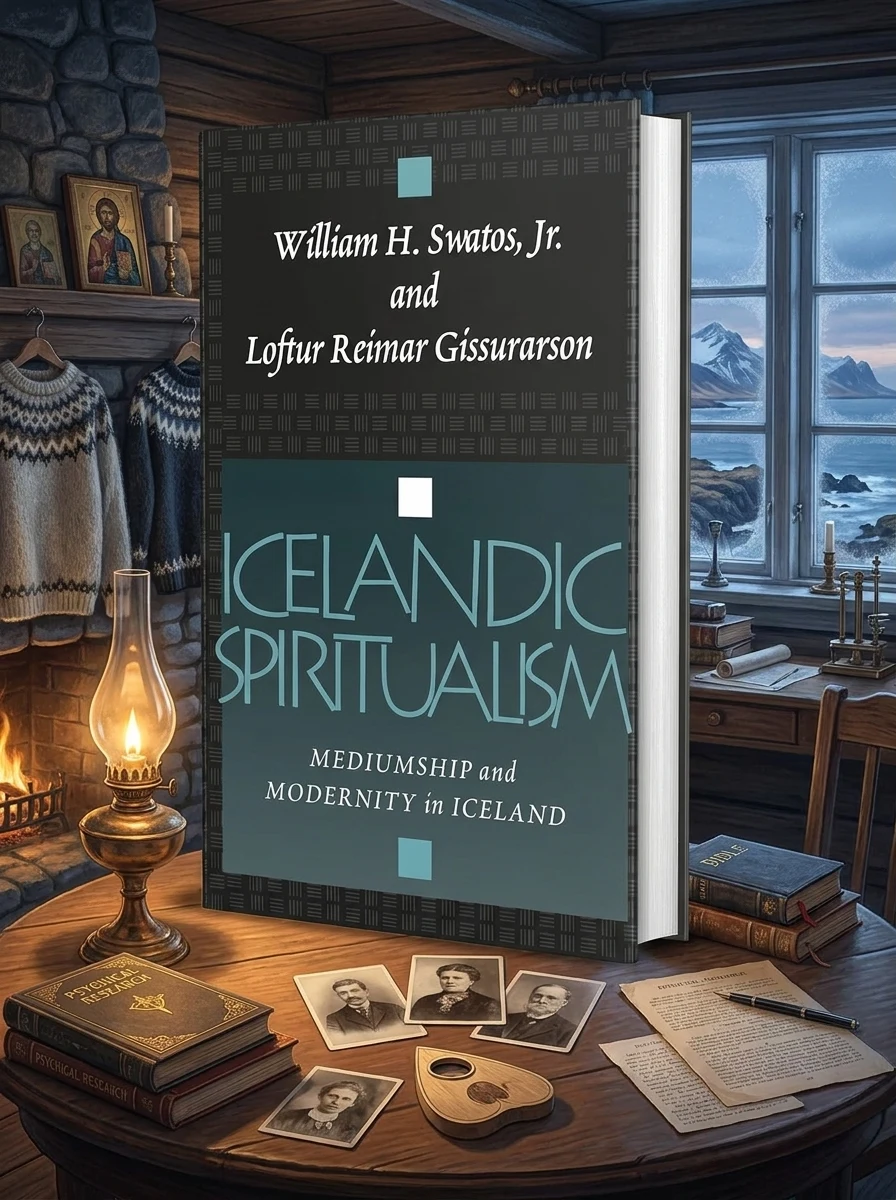
 91
91
 91
91

 90
90