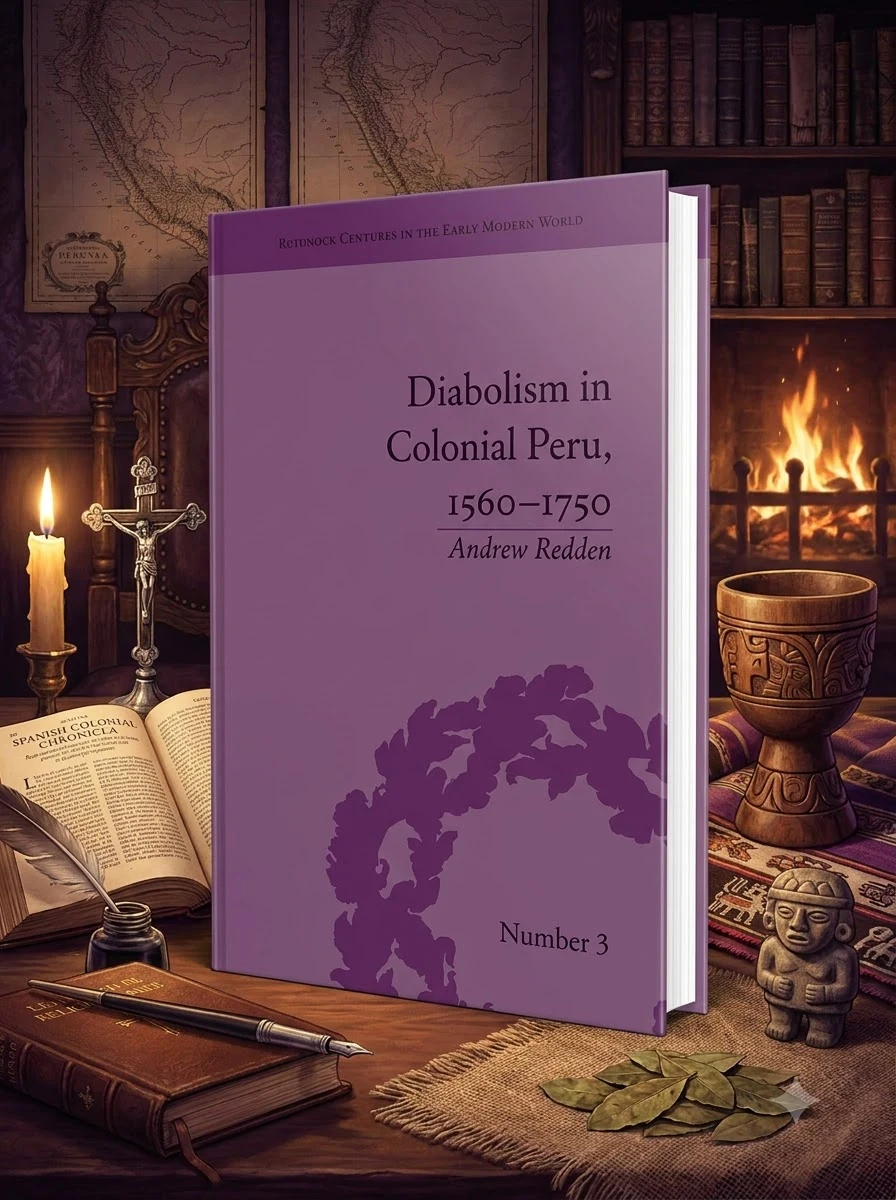
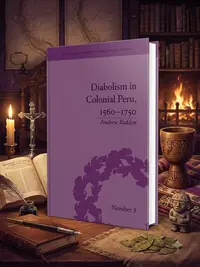

Diabolism in Colonial Peru, 1560-1750 Redden, Andrew
Redden, AndrewStock reported in the catalog; fulfillment is confirmed with your request.
Explore the devil's complex role in colonial Peru, bridging Andean cosmology and Christian theology.
Andrew Redden's compelling study delves into the fascinating figure of the devil within colonial Peru from 1560 to 1750. Moving beyond simplistic narratives of conquest, this book utilizes diverse academic lenses to uncover how the diabolical became a powerful, often ambiguous, point of convergence between indigenous Andean spiritual systems and invading Christian beliefs. It reveals a nuanced cultural exchange, illustrating that the spiritual landscape was far more intricate than a mere clash of ideologies, challenging conventional understandings of religious imposition and indigenous adaptation.
This scholarly work situates itself within the historiography of colonial Latin America and the study of religious syncretism during the Spanish conquest era. It examines the intersection of indigenous Andean cosmology with imposed Christian theology, offering a nuanced perspective on spiritual exchange rather than simple ideological clash.


📝 Description: Diabolism in Colonial Peru, 1560-1750 Redden, Andrew
💎 Expert review
📖 Why choose it
Why this book is worth reading
Readers interested in the intricate dynamics of colonial power and spiritual adaptation will find this book deeply rewarding. Andrew Redden offers a compelling lens through which to view the devil not merely as a symbol of oppression, but as a complex point of convergence between Andean and Christian worldviews. Those who appreciate nuanced cultural history and wish to understand how indigenous populations navigated and adapted to invading religious systems will gain profound insights here. It challenges conventional narratives of religious imposition, revealing a spiritual landscape far more intricate than previously understood. This is essential for anyone seeking to move beyond simplistic conquest stories and engage with the genuine ambiguity and exchange that defined colonial Peru's spiritual life.
⭐ Reader reviews
Reader rating
Redden’s study is a rigorous academic contribution that successfully complicates our understanding of colonial spirituality. By utilizing diverse lenses, it illuminates how the diabolical served as an ambiguous bridge between Andean cosmology and Christian theology. However, readers seeking a narrative-driven history or accessible popular non-fiction may find this work too dense and theoretical. It is strictly for those willing to engage with complex academic arguments regarding religious imposition and indigenous adaptation. The text demands patience and a strong interest in historical nuance, making it unsuitable for casual readers expecting a straightforward account of colonial events rather than a deep dive into spiritual convergence.
❓ Frequently asked questions
📖 Who should read this
If you're fascinated by the intricate dance of cultures under colonial pressures, seeking to understand religious syncretism beyond simplistic narratives, or exploring indigenous belief systems, this book offers profound insights. Essential for understanding early modern Latin American spiritual history.
🎯 Key themes and symbolism
The Transcultural Devil
This work meticulously examines how the Christian devil was not merely imposed but actively reinterpreted and integrated into existing Andean cosmological frameworks. It explores the fusion of foreign demonic concepts with indigenous malevolent spirits, revealing a dynamic process of syncretism rather than outright replacement, thereby creating a uniquely Peruvian understanding of evil.
Beyond Simple Dichotomies
Redden challenges the long-held view that colonial religious encounters were simply a binary of indigenous resistance or forced conversion. Instead, the book demonstrates a rich, complex interplay where Andean peoples actively engaged with Christian concepts, including the devil, in ways that defy easy categorization, suggesting continuous negotiation and adaptation from both sides.
Multidisciplinary Historical Lens
The author skillfully weaves together insights from history, anthropology, theology, and literary studies to construct a comprehensive picture of diabolism in colonial Peru. This approach allows for a deeper understanding of cultural shifts, power dynamics, and the intricate ways spiritual beliefs were shaped by conquest, providing a holistic view of the period.
💬 Quotes from the book
“The Andean 'supay' was not simply replaced by the Christian 'Diablo,' but rather, a new, syncretic entity emerged, reflecting both indigenous fear and colonial imposition.”
“To understand diabolism in Peru is to move beyond the simplistic binary of conversion versus resistance, revealing a landscape of constant negotiation and reinterpretation.”
📜 Historical context
📚 Glossary
- Diabolism
- Syncretism
- Transcultural
📔 Questions to reflect on
- How might the concept of 'evil' in your own culture reflect a blend of historical and spiritual influences?
- Consider a historical instance where a dominant culture attempted to impose its beliefs. How might the reality have been more nuanced than a simple 'conversion or resistance' narrative?
- In what ways do modern understandings of spirituality or belief systems still carry echoes of past transcultural exchanges?
📖 From the series “Religious Cultures in the Early Modern World”
All books in the series →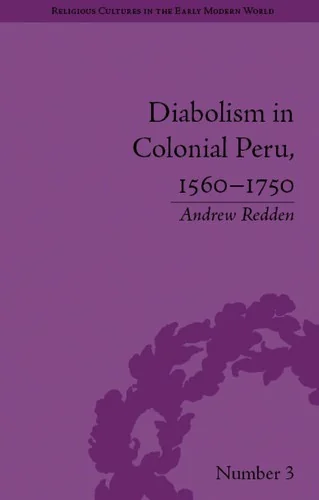
✍️ More books by this author Redden, Andrew
All books by this author →🏛 Books from this publisher Routledge
All books from this publisher →
 89
89

You might also like
See more →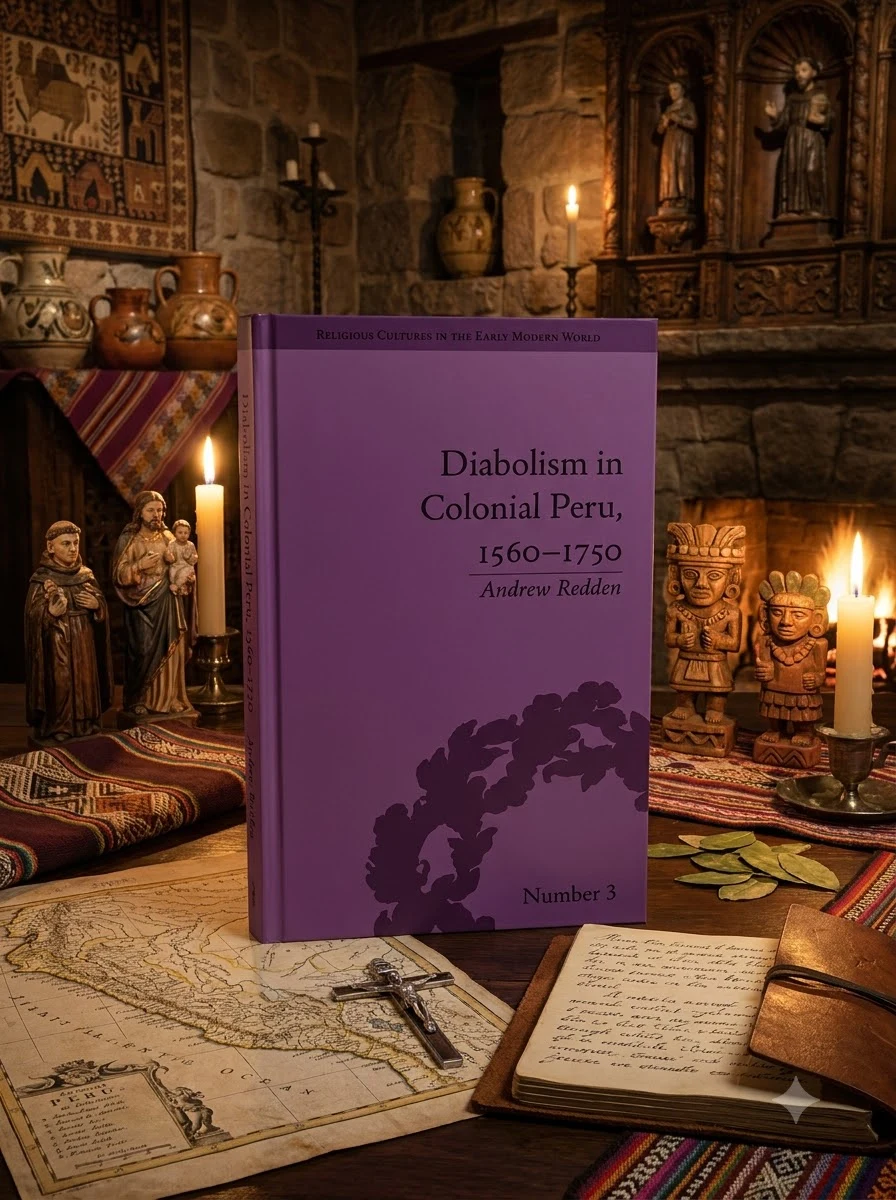
 91
91
 91
91
 90
90