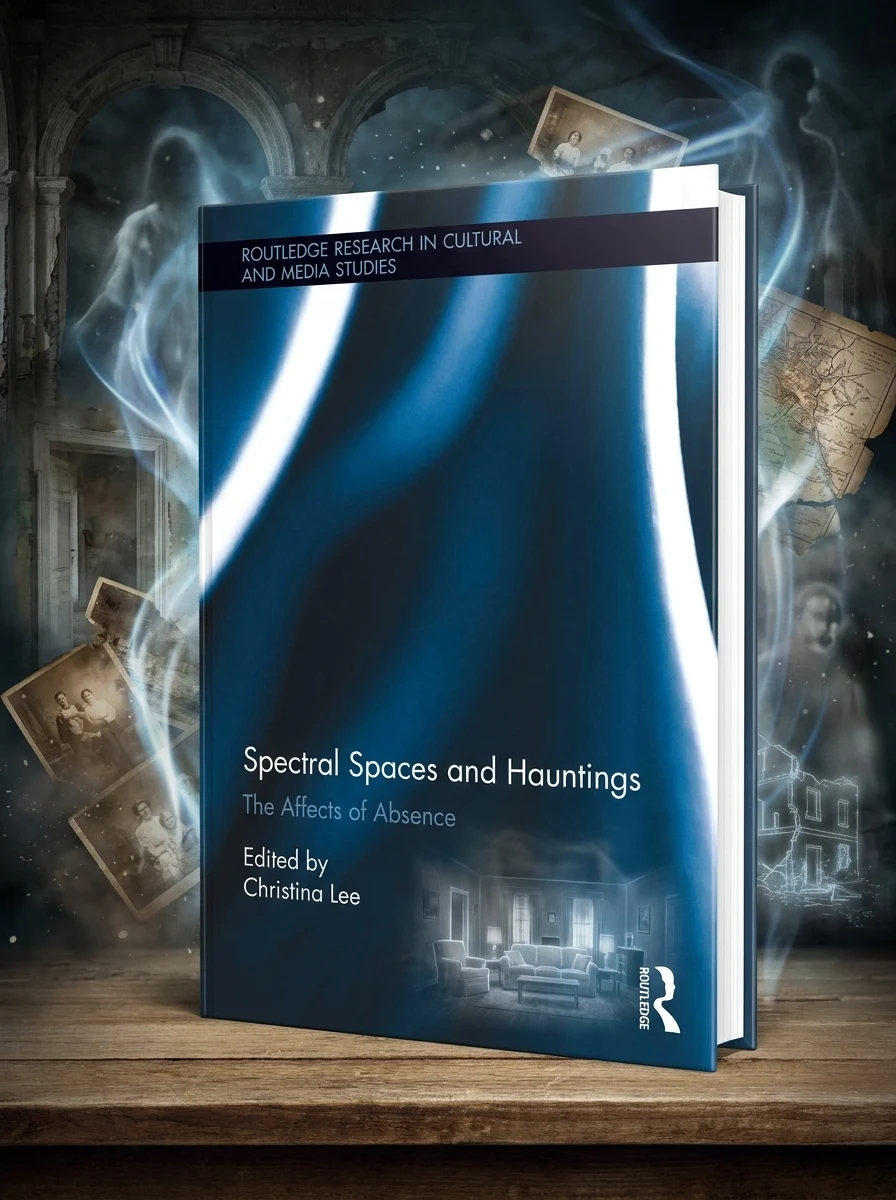
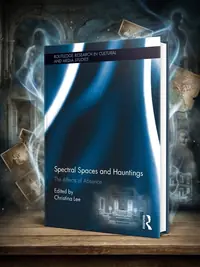
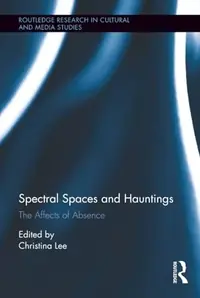
Spectral Spaces and Hauntings Lee, Christina
Lee, Christina 89
89
 Editorial score
How we rate
Editorial score
How we rate
Stock reported in the catalog; fulfillment is confirmed with your request.
Uncover the profound echoes of what once was, lingering in the fabric of our world.
This anthology delves into the intricate relationship between physical environments and the persistent presence of the past. It explores how places become charged with memory, absence, and unseen forces, revealing that what seems gone often powerfully endures. By examining diverse case studies from abandoned towns to digital specters, the collection asks why certain locations resonate with such haunting intensity, compelling us to confront the ethical and political dimensions of these spectral phenomena and the "afteraffects" they leave on human experience.
This work sits at the intersection of contemporary hauntology and spatial theory, bridging esoteric curiosity with critical academic discourse on memory and place. It reflects a modern scholarly trend that treats haunting not merely as folklore but as a political and ethical phenomenon embedded in the physical world.


📝 Description: Spectral Spaces and Hauntings Lee, Christina
💎 Expert review
📖 Why choose it
Why this book is worth reading
Readers who find themselves drawn to the liminal spaces between history and the present will gain profound insight from this collection. It is ideal for those seeking to understand how abandoned towns or digital remnants hold emotional weight, offering a framework to confront the ethical implications of lingering pasts. By exploring these 'afteraffects,' the book empowers individuals to recognize the unseen forces shaping their environment, transforming abstract anxiety into tangible understanding. It serves anyone interested in the political dimensions of memory, providing a sophisticated lens through which to view the persistent echoes that define our shared spatial experience.
⭐ Reader reviews
Reader rating
This anthology offers a rigorous intellectual exploration of spectral phenomena, appealing primarily to academics and theorists interested in spatial politics and memory studies. However, it is decidedly NOT suited for casual readers seeking traditional ghost stories or immediate supernatural thrills. The text demands patience with its dense theoretical framework and abstract case studies, ranging from digital specters to physical ruins. Those expecting light entertainment or simple paranormal anecdotes will likely find the analytical tone dry and inaccessible. It is a serious scholarly contribution that prioritizes critical inquiry over narrative escapism.
❓ Frequently asked questions
📖 Who should read this
For scholars and curious minds intrigued by the unseen forces shaping our world, this book offers rigorous exploration. If you ponder how places hold memory, or the cultural significance of absence, prepare for a captivating journey through critical theory, media studies, and human geography.
🎯 Key themes and symbolism
The Geography of Haunting
This collection meticulously examines how physical and conceptual spaces—from ruins to digital realms—become imbued with residual presences. It investigates the mechanisms through which past events, trauma, and forgotten histories imprint themselves onto locations, creating sites where absence paradoxically manifests as an overwhelming, often unsettling, presence.
The Power of Absence
The book thoughtfully explores the phenomenon of "absent presences," where that which is no longer physically there continues to exert significant influence. It illustrates how these imperceptible yet powerful forces can shape human experience, memory, and perception, prompting readers to reconsider the boundaries between what is visible and what truly exists.
Engaging with Specters Ethically
A core tenet of this work is the imperative to ethically confront and engage with these spectral traces. It argues that acknowledging and interpreting the lingering echoes of the past is not merely an academic exercise, but a crucial political and moral act, highlighting our responsibility to the unquiet histories that surround us.
💬 Quotes from the book
“The 'appearance' of absence is rarely truly empty; rather, it often signals an overwhelming, if imperceptible, presence of what once was, and crucially, what still insists upon being here.”
“Engaging with the spectral is not merely an academic exercise; it carries a profound ethical and political weight, compelling us to confront the unquiet histories that shape our present.”
📜 Historical context
📚 Glossary
- Spectral Spaces
- Absent Presences
- Aftereffects
📔 Questions to reflect on
- Reflect on a specific place you know that feels 'haunted' by its past. What makes it so, and what does that lingering presence communicate?
- How might the concept of "absent presences" apply to current social or political issues, and what ethical responsibilities do we have towards these unseen forces?
- Consider how media (photography, film, literature) transforms places into spectral spaces. What are the implications of these mediated hauntings?
📖 From the series “Routledge Research in Cultural and Media Studies”
All books in the series →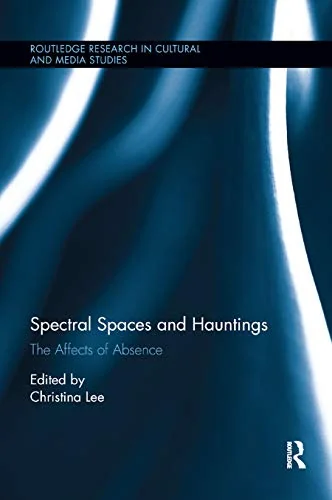
✍️ More books by this author Lee, Christina
All books by this author →🏛 Books from this publisher Routledge
All books from this publisher →

 89
89

You might also like
See more →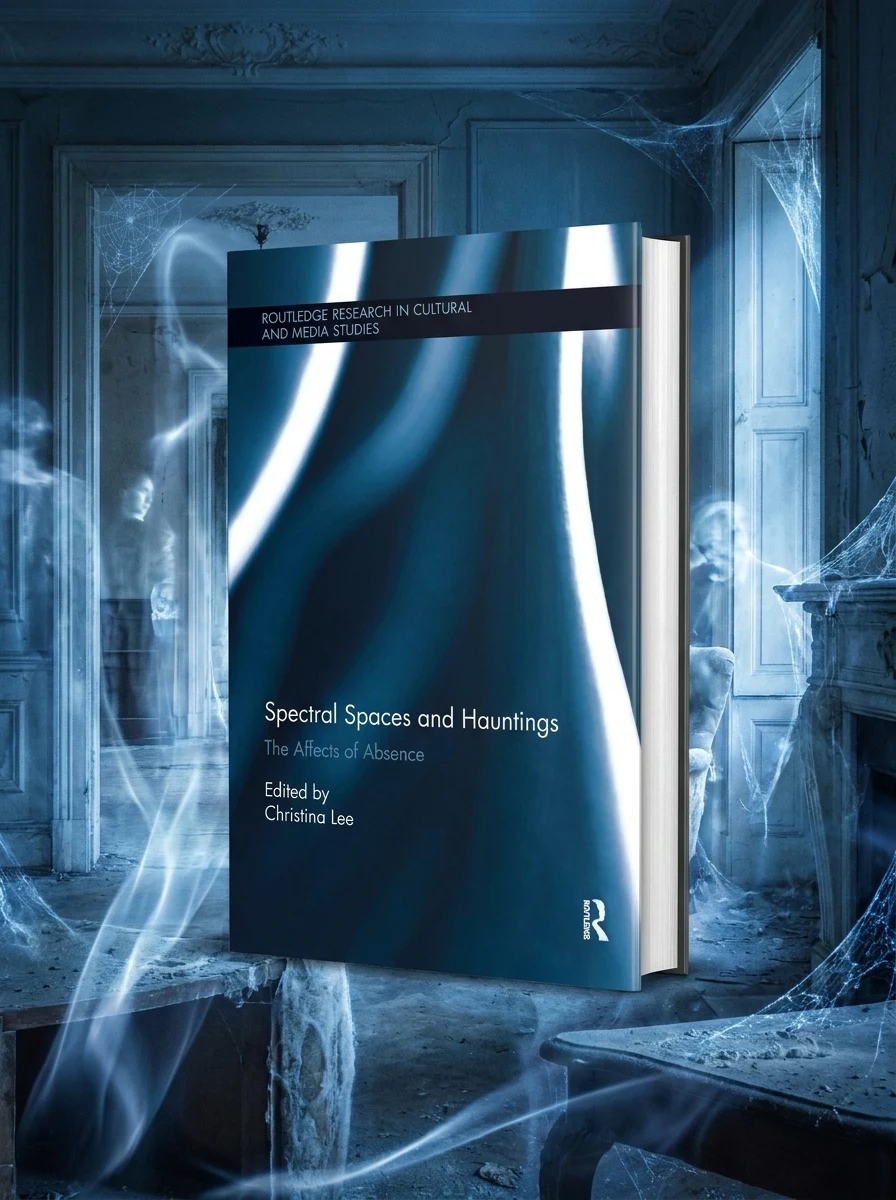
 91
91
 91
91

 90
90
 90
90