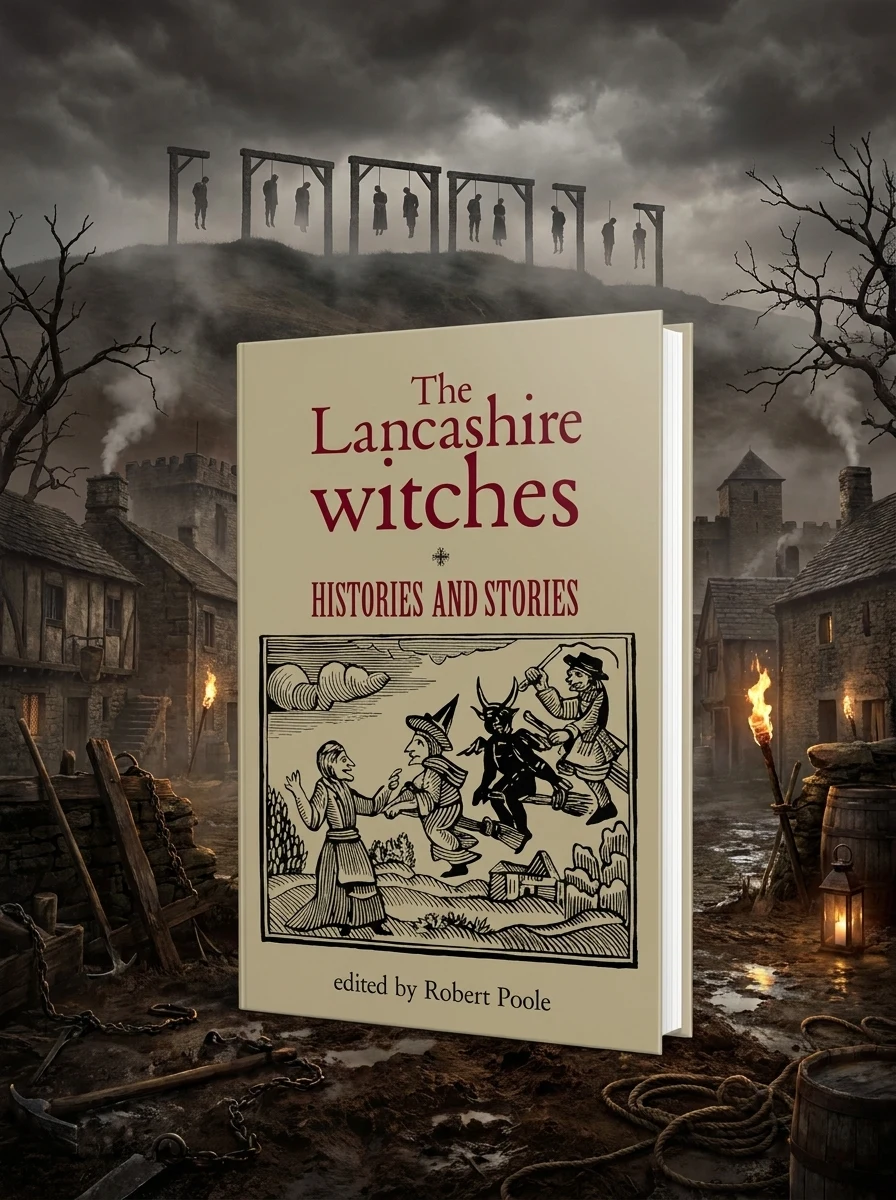
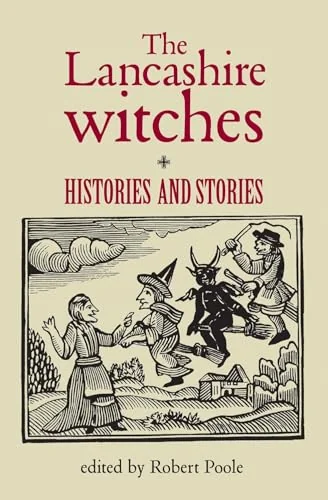
The Lancashire Witches: Histories and Stories
An academic historical study of the 1612 Pendle witch trial in Lancashire, England.
Focusing on modern and seventeenth-century European history, this book examines legal, sociological, and women's studies perspectives surrounding England's largest recorded witch trial. Reader in History Robert Poole gathers rigorous research from St. Martin's College to examine how ten witches were arraigned and hung in Pendle. The well-organized collection uses clear introductory sections to orient readers through complex legal and social contexts, making it an ideal choice for serious historical researchers.
Set in seventeenth-century Great Britain, this work examines the social, legal, and historical context of Lancashire, England, during the 1612 Pendle witch trial.


Praise for this book
“The standard of the various articles is impressive, and it is apparent that they are all based on thorough, rigorous research. The book's layout and general organization is particularly pleasing. The introductory sections to each of the sections are clear, concise and very helpful for readers.”
📝 Description: The Lancashire Witches: Histories and Stories
💎 Expert review
📖 Why choose it
Why this book is worth reading
Readers deeply interested in the intersection of law, society, and superstition will find immense value in this rigorous historical reconstruction. It is ideal for those seeking to understand not just the events of the Pendle witch trials, but the broader legal and social frameworks that allowed such prosecutions to occur. By moving beyond simple narration, the book offers unparalleled insight into the minds of the accusers and accused during a dark chapter in English jurisprudence. Scholars and enthusiasts of early modern history will appreciate the meticulous detail and critical analysis provided by Robert Poole.
⭐ Reader reviews
Reader rating
This is a scholarly, dense exploration of the 1612 Pendle witch trials, prioritizing historical accuracy and legal context over narrative flair. While it offers a comprehensive look at the social currents behind England's largest witch prosecution, it may not suit readers seeking a thrilling, supernatural ghost story or a light-hearted overview of Wiccan history. Those looking for quick entertainment or fictionalized accounts of witches will likely find the academic tone dry and the focus on jurisprudence tedious. It is strictly for those willing to engage with primary historical analysis rather than myth-making.
❓ Frequently asked questions
📖 Who should read this
If you're fascinated by the dark corners of English history, the mechanics of mass hysteria, or the evolution of legal systems, this book is essential. It offers a scholarly yet accessible entry point into understanding the human cost of fear and superstition.
🎯 Key themes and symbolism
The Pendle Witch Trials
Poole provides the definitive account of the 1612 accusations, arrests, and executions in Pendle, Lancashire. The book meticulously details the testimonies, the accused, and the social dynamics that led to this significant event, offering a comprehensive understanding of England's most famous witch hunt.
17th Century Society
The study immerses readers in the fraught social and political landscape of early modern England. It explores the local customs, religious beliefs, and economic pressures that fueled suspicions and anxieties, illustrating how these factors coalesced to enable such widespread persecution within the community.
Legal History & Justice
This work critically analyzes the judicial processes and legal frameworks that permitted these trials. It examines the role of evidence, confession, and local authority in securing convictions, shedding light on the historical evolution of English law and the profound injustices suffered by the accused.
📜 Historical context
📚 Glossary
- Arraigned
- Pendle
- Witch Trial
📔 Questions to reflect on
- Reflect on how historical periods of social anxiety and fear can lead to the scapegoating of marginalized groups, drawing parallels to contemporary issues.
- Consider the concept of 'justice' in the 17th century compared to modern standards. What does this case reveal about the evolution of legal ethics?
- How might local community dynamics, personal grievances, and superstitions intertwine to create a climate ripe for such accusations, even today?