US shipping Secure card payment Occult and esoteric books

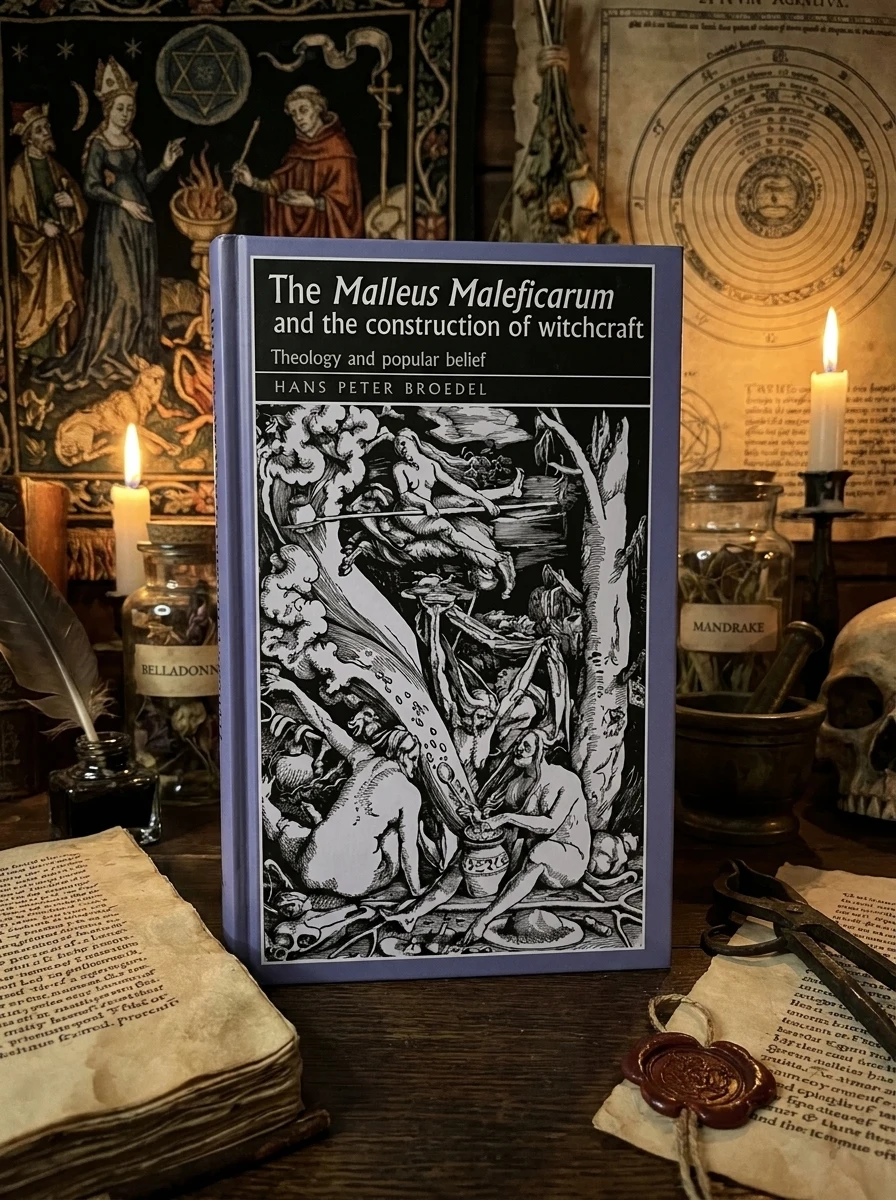
The 'Malleus Maleficarum' and the Construction of Witchcraft: Theology and Popular Belief - Ingram Academic Broedel, Hans

Broedel, Hans
Reader rating
4.6
(1 reviews) 118 sold
In stock

Stock reported in the catalog; fulfillment is confirmed with your request.

📚 ABOUT THE BOOK

Broedel dissects the Malleus Maleficarum, revealing how theology and rumor forged the modern witch.

This pioneering English study dismantles the Malleus Maleficarum from its mythic pedestal, arguing it was never representative of late medieval scholarship. Instead, author Hans Ingram Broedel demonstrates how the text synthesized existing popular superstitions with specific theological anxieties to construct a potent, enduring narrative. By analyzing the intellectual framework of its authors, Institoris and Sprenger, this work clarifies why this idiosyncratic manuscript survived while contemporary alternatives faded. It serves as a vital key for decoding the conceptual architecture behind the witch trials, offering scholars a nuanced understanding of how fear was systematized into law.

Key themes
Theological construction of evil Popular belief vs. learned doctrine Historical legacy of persecution
Historical context

This scholarly work sits within the historiography of early modern Europe, specifically addressing the intellectual and theological underpinnings of the witch trials. It challenges established narratives by examining how specific texts synthesized popular superstition with ecclesiastical anxiety to shape legal frameworks.


Difficulty
●●● Demanding
Fans will love it
Keith Thomas's 'Religion and the Decline of Magic' · Ronald Hutton's historical analyses of British witchcraft · Brian Levack's studies on early modern legal history
🌙 Witchcraft & Wicca
🏛 Manchester University Press 📖 224 pages 📔 Paperback 📐 Paperback ISBN: 9780719064418
Fun fact
Broedel delivers a masterclass in intellectual history, stripping the Malleus of its aura of universal medieval truth. It excels in tracing the genealogy of witch-hunting ideology, making it indispensable for serious researchers. However, casual readers seeking narrative drama may find its academic density challenging. It stands as a definitive corrective in the field, essential for anyone wanting to grasp the mechanics of persecution without romanticizing or demonizing the source material.
📚 This book appears in Esoterica Books

📝 Description: The 'Malleus Maleficarum' and the Construction of Witchcraft: Theology and Popular Belief - Ingram Academic Broedel, Hans

The Malleus is an important text and is frequently quoted by authors across a wide range of scholarly disciplines. Yet it also presents serious difficulties: it is difficult to understand out of context, and is not generally representative of late medieval learned thinking. This, the first book-length study of the original text in English, provides students and scholars with an introduction to this controversial work and to the conceptual word of its authors. Like all witch-theorists, Institoris and Sprenger constructed their witch out of a constellation of pre-existing popular beliefs and learned traditions. Therefore, to understand the Malleus, one must also understand the contemporary and subsequent debates over the reality and nature of witches. This book argues that although the Malleus was a highly idiosyncratic text, its arguments were powerfully compelling and therefore remained influential long after alternatives were forgotten. Consequently, although focused on a single text, this study has important implications for fifteenth-century witchcraft theory. This is a fascinating work on the Malleus Maleficarum and will be essential to students and academics of late medieval and early modern history, religion and witchcraft studies. An electronic edition of this book is freely available under a Creative Commons (CC BY-NC-ND) licence.

💎 Expert review

💎
Esoterica Books editorial team
Occult literature desk
Broedel delivers a pivotal academic intervention, effectively dismantling the mythic pedestal of the Malleus Maleficarum. By analyzing Institoris and Sprenger's framework, he clarifies how fear was codified into law through specific theological anxieties rather than universal medieval consensus. However, this dense intellectual history is not for casual readers or those seeking sensationalist tales of supernatural horror. It requires patience and an interest in historiography. Those looking for accessible popular history or narrative-driven accounts of individual trials will likely find the focus on conceptual architecture and manuscript survival too dry and specialized for their tastes.
✓ EDITOR'S REVIEW

📖 Why choose it

📖

Why this book is worth reading

Scholars, historians, and serious students of religious history will find immense value in this rigorous deconstruction of the Malleus Maleficarum. Broedel offers a crucial corrective to the myth that the text represented mainstream medieval scholarship, instead revealing it as an idiosyncratic synthesis of rumor and theological fear. Readers seeking to understand how abstract anxieties were systematized into concrete law will appreciate this nuanced decoding of the witch trials' conceptual architecture. It is essential for anyone wishing to move beyond surface-level narratives and grasp the specific intellectual mechanisms that allowed one manuscript to endure while others faded, providing a vital key to understanding the construction of the modern witch.

⭐ Reader reviews

The starting rating comes from the team Esoterica Books —
⭐ Esoterica editorial review Editorial rating 4.6/5
★★★★
Academics and history enthusiasts seeking to understand the intellectual mechanics behind the witch hunts, rather than those looking for sensationalist accounts or practical magical advice.

Reader rating

4.6
Based on 1 reviews
5
0
4
1
3
0
2
0
1
0
E
Esoterica Books editorial team

Broedel delivers a pivotal academic intervention, effectively dismantling the mythic pedestal of the Malleus Maleficarum. By analyzing Institoris and Sprenger's framework, he clarifies how fear was codified into law through specific theological anxieties rather than universal medieval consensus. However, this dense intellectual history is not for casual readers or those seeking sensationalist tales of supernatural horror. It requires patience and an interest in historiography. Those looking for accessible popular history or narrative-driven accounts of individual trials will likely find the focus on conceptual architecture and manuscript survival too dry and specialized for their tastes.

❓ Frequently asked questions

No, it is a rigorous academic analysis of the text that facilitated persecution, not a manual for magical practice.
Broedel argues its extreme views were idiosyncratic and often contradicted mainstream theological consensus of the era, yet its power lay in its compelling narrative structure.

📖 Who should read this

Academics and history enthusiasts seeking to understand the intellectual mechanics behind the witch hunts, rather than those looking for sensationalist accounts or practical magical advice.

🎯 Key themes and symbolism

Theological construction of evil

Popular belief vs. learned doctrine

Historical legacy of persecution

💬 Quotes from the book

“To understand the Malleus, one must also understand the contemporary and subsequent debates over the reality and nature of witches.”

“Its arguments were powerfully compelling and therefore remained influential long after alternatives were forgotten.”

📜 Historical context

Emerging from the fifteenth-century European obsession with heresy, the Malleus became a cornerstone of inquisitorial practice. Broedel situates it not as an isolated anomaly, but as a pivotal node in the broader discourse on demonology, illustrating how late medieval thinkers weaponized theology to address societal fears of the unknown and the feminine.

📚 Glossary

Malleus Maleficarum
Institoris and Sprenger
Conceptual Word

📔 Questions to reflect on

  1. How does the construction of a 'monster' in historical texts reflect the specific fears of its time?
  2. In what ways do modern myths function similarly to the 'conceptual word' of the witch?
  3. Consider how a single text can override broader scholarly consensus through sheer rhetorical force.

You might also like

See more →
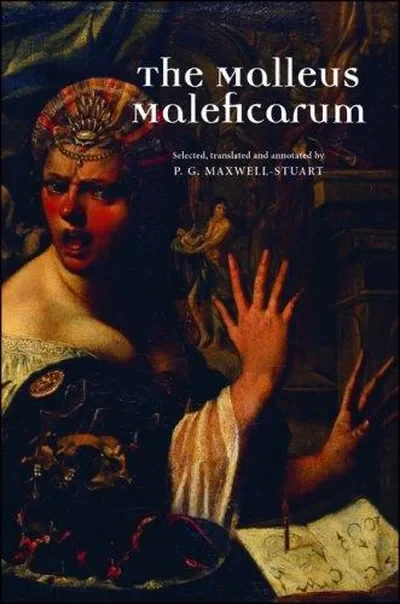
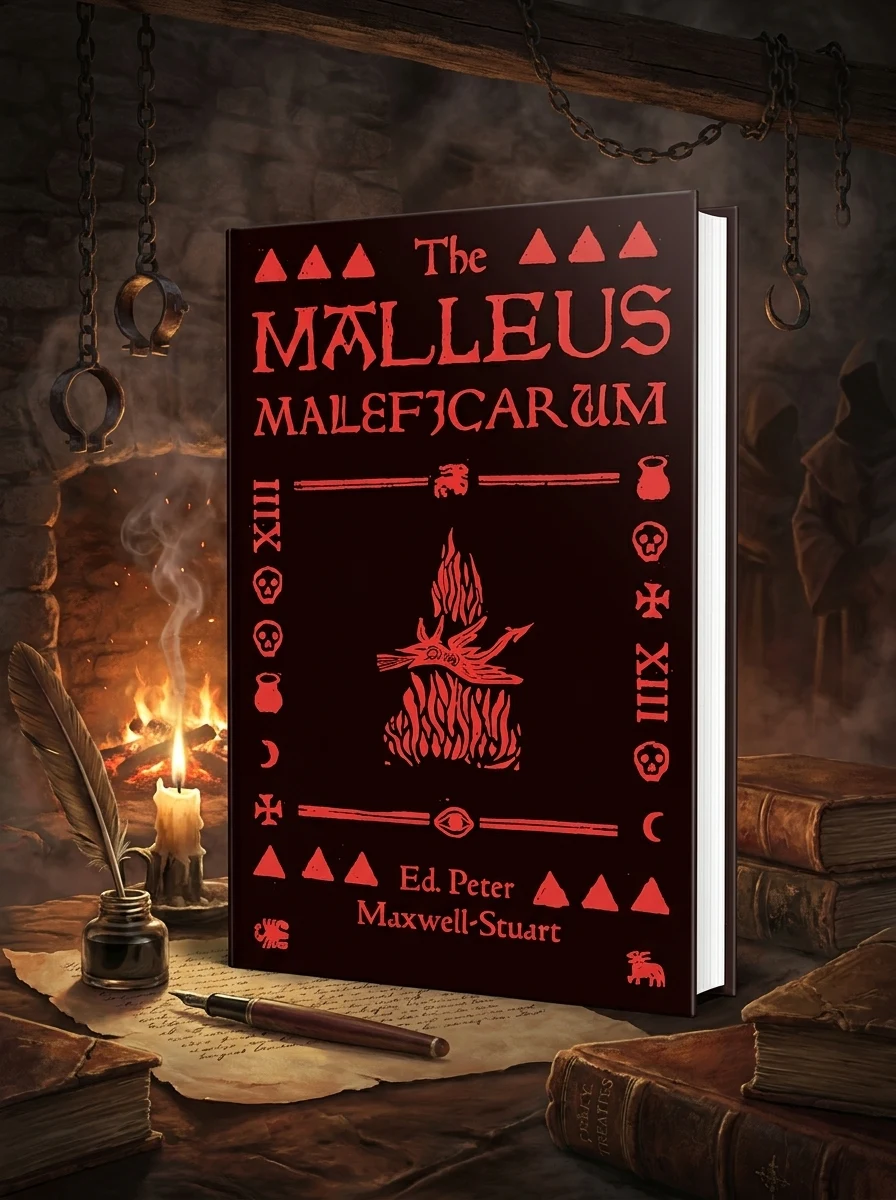
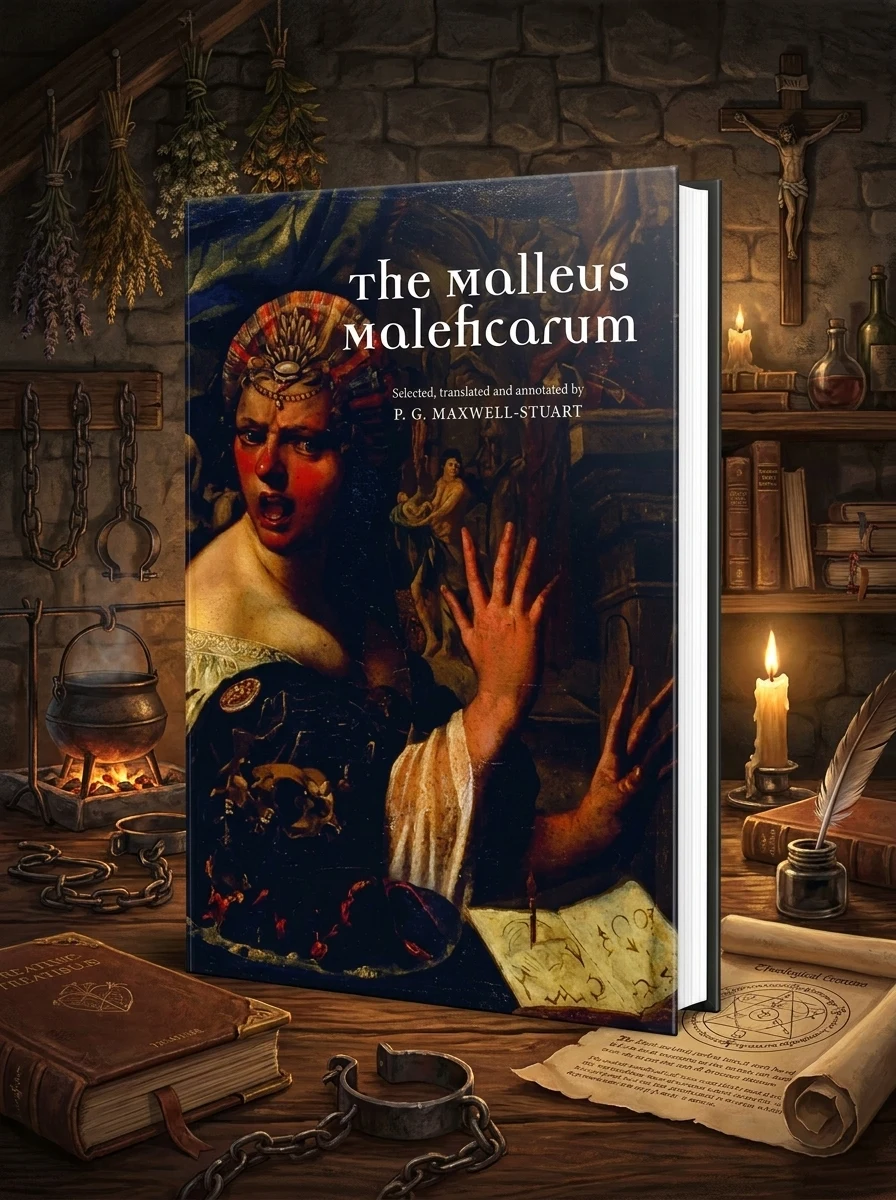
Cover unavailableThe Malleus MaleficarumMaxwell-Stuart, Peter The Malleus Maleficarum
🏆 Bestseller
Maxwell-Stuart, Peter
The Malleus Maleficarum
$23.00
82