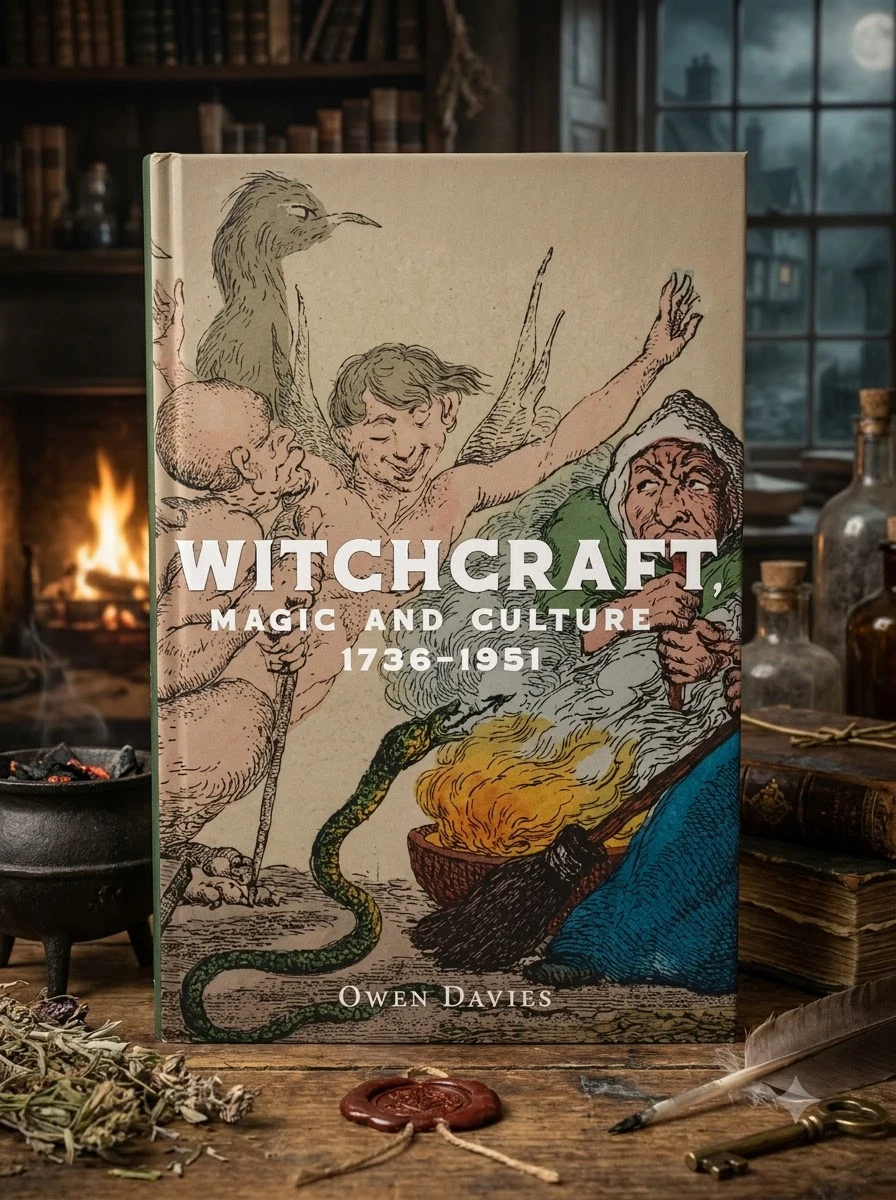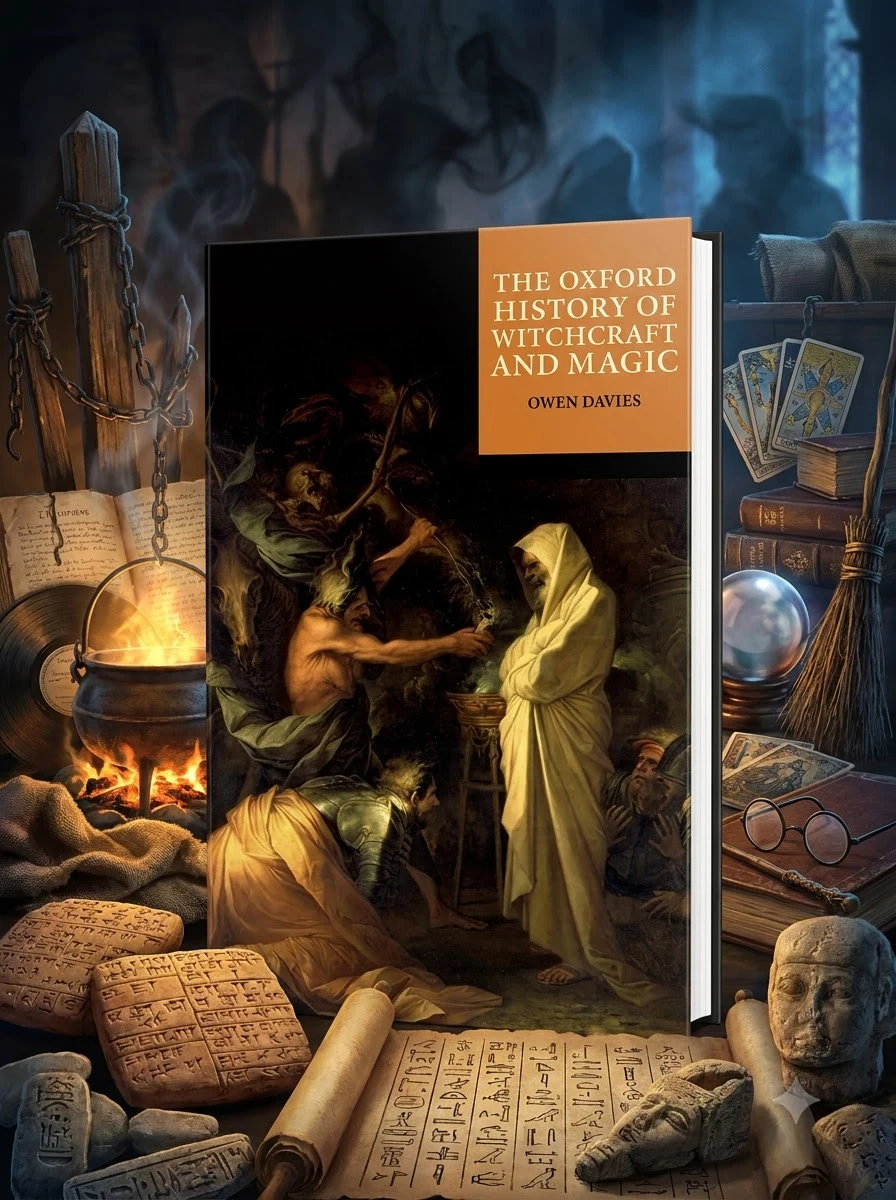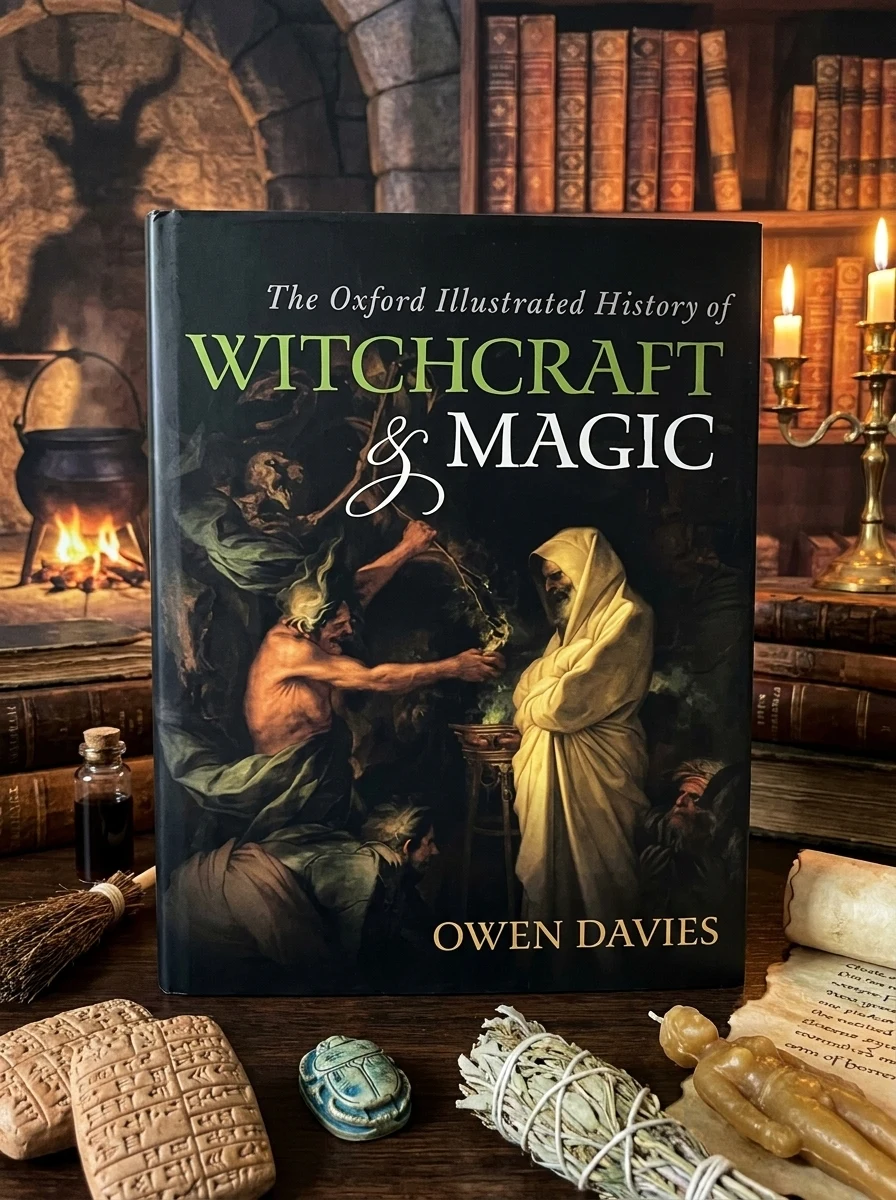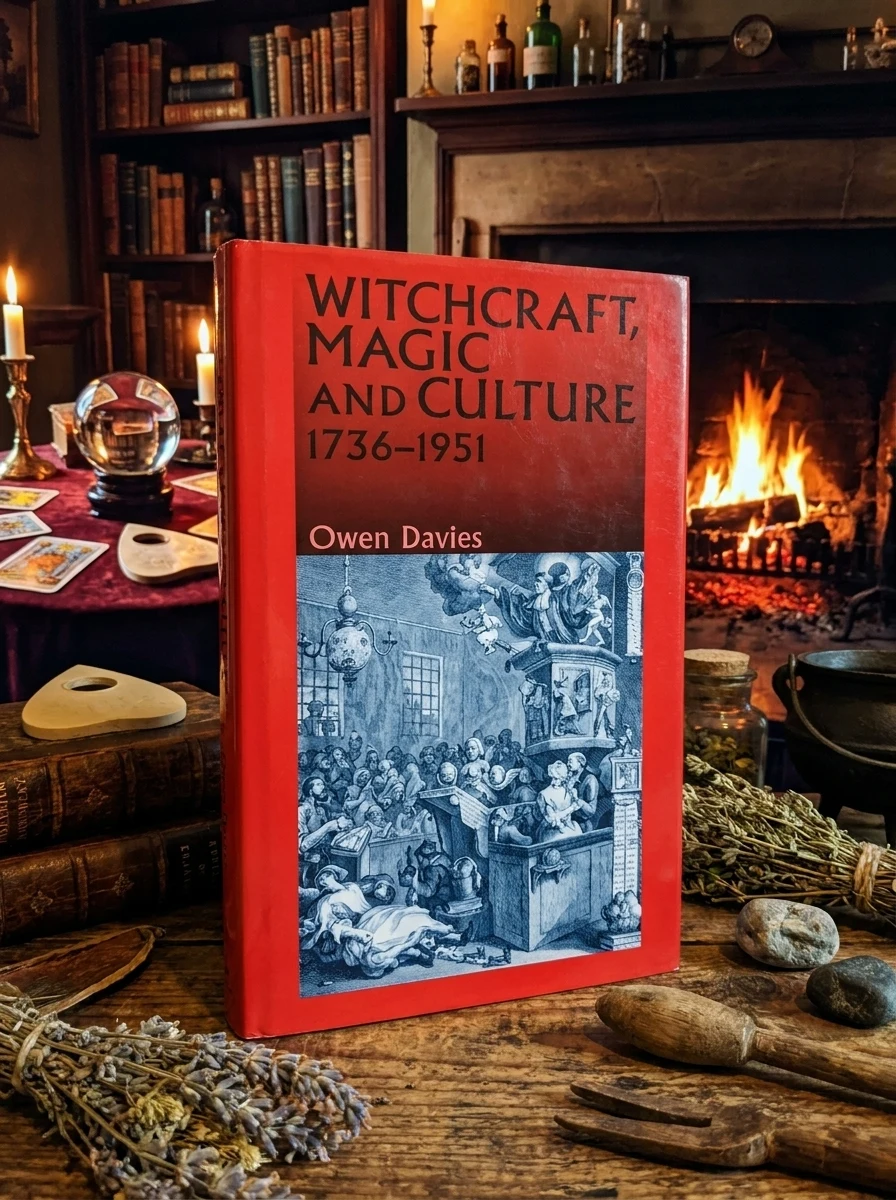
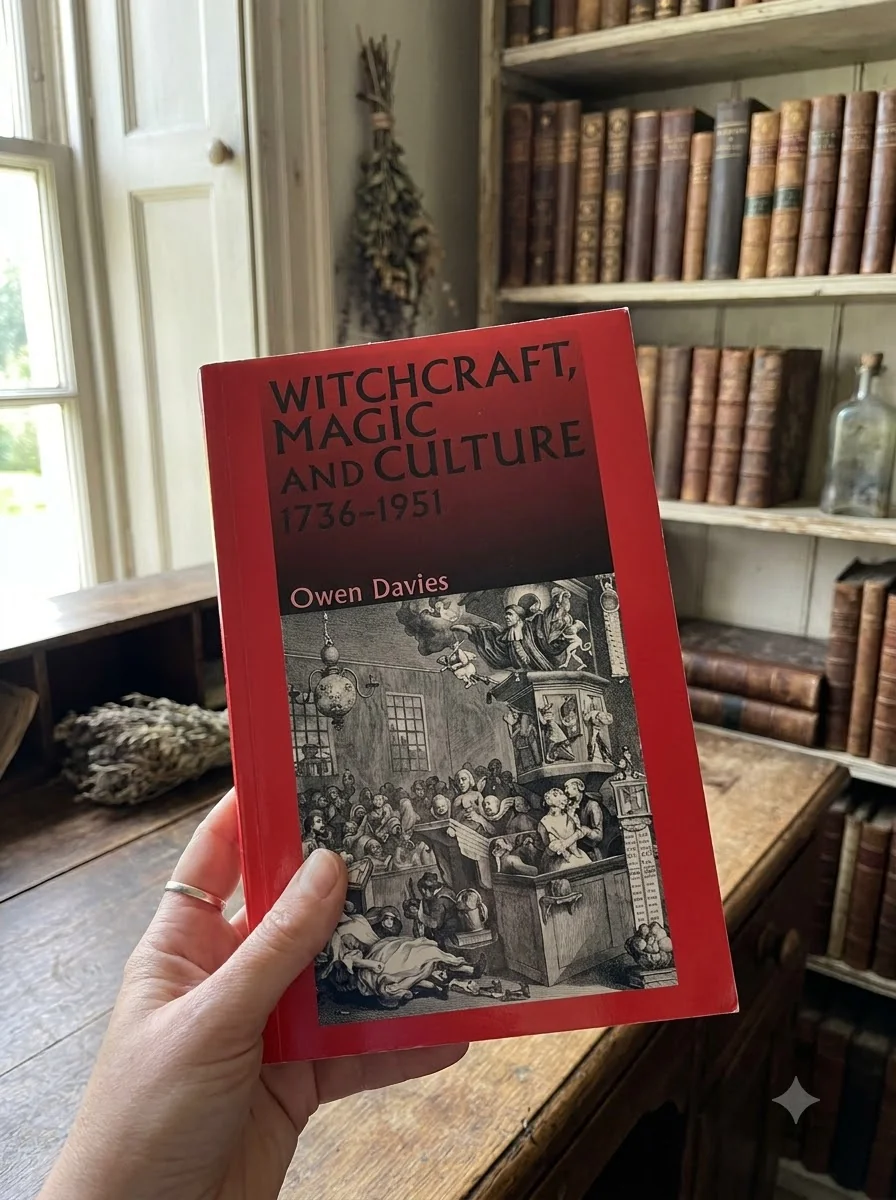
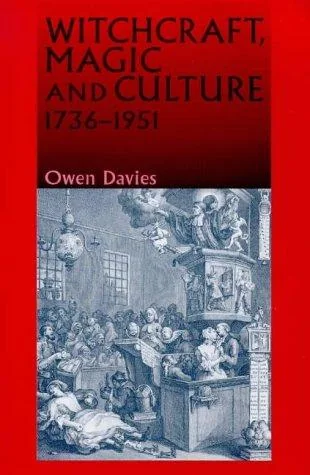
Witchcraft, Magic and Culture, 1736-1951
✍️ Davies, OwenOwen Davies presents a singular, comprehensive examination of witchcraft and magic in Britain, spanning from the Enlightenment's dawn to the mid-20th century. This meticulously researched volume delves into the diverse manifestations of magical practice, from the sophisticated seances of Victorian spiritualists to the deep-rooted folk traditions of rural cunning folk. It offers an intellectually stimulating journey, revealing how these varied beliefs and practices were woven into the very fabric of society, often overlapping and influencing each other in unexpected ways, rather than existing as isolated phenomena.


📝 Description: Witchcraft, Magic and Culture, 1736-1951
💎 Expert review
📖 Why choose it
Why this book is worth reading
Scholars and serious enthusiasts of Western esoteric traditions will find this book indispensable for its rigorous examination of how magic permeated British society. Davies offers a vital corrective to the misconception that magical beliefs were merely relics of the past, revealing instead their dynamic integration into modern life. Readers interested in the nuanced interactions between Victorian spiritualism and rural cunning folk traditions will gain profound insights into these overlapping practices. It is particularly valuable for those seeking to understand the intellectual and social fabric that supported diverse magical manifestations over two centuries of significant historical change.
⭐ Reader reviews
Reader rating
Davies provides a meticulously researched, intellectually stimulating journey through British magical history. However, this work is strictly academic and may not suit casual readers seeking narrative-driven occult fiction or practical instructional guides. Those expecting simple definitions or contemporary spellcraft will likely find the dense historical analysis and scholarly tone dry. It demands patience for its comprehensive scope, focusing on societal weaving rather than individual practitioner anecdotes. While essential for understanding the period's magical fabric, it is not a light read for those preferring accessible, non-scholarly introductions to witchcraft or magic.
❓ Frequently asked questions
📖 Who should read this
If you're a serious student of historical occultism, a scholar of British social history, or simply fascinated by the intricate dance between belief and culture, this book offers unparalleled depth. Prepare for a rigorous, academic exploration, not a practical guide.
🎯 Key themes and symbolism
Social Spectrum of Magic
This work uniquely bridges the divide between different social strata, illustrating that magical belief was not exclusive to any single class. Davies meticulously documents how both aristocratic spiritualists seeking contact with the departed and village practitioners offering charms against misfortune contributed to a rich, multifaceted magical landscape, demonstrating its pervasive influence across all levels of society.
Historical Evolution of Practices
Spanning 1736 to 1951, the book meticulously charts the transformations of magical thought and practice. It explores how ancient beliefs adapted to modernity, how legal frameworks evolved, and how the perception of magic shifted from a dangerous superstition to a subject of academic inquiry or private spiritual pursuit, reflecting broader societal changes over two centuries.
Cultural Integration of Beliefs
Davies positions magic not as an fringe element, but as an integral part of British cultural history. He reveals how magical ideas permeated everyday life, influenced literature, art, and even scientific thought, shaping the collective consciousness. The book effectively argues for magic's embeddedness in the cultural narrative, rather than its isolation from it.
📜 Historical context
📚 Glossary
- Spiritualism
- Rural Witchcraft
- Magick Studies
📔 Questions to reflect on
- How might the decline of formal witchcraft accusations have allowed certain magical practices to evolve or go underground, and what evidence for this might one seek?
- Consider how advancements in science and technology during the 18th-20th centuries both challenged and, paradoxically, sometimes fueled new forms of magical or occult belief.
- Reflect on the societal roles played by practitioners of magic (e.g., cunning folk, spiritualist mediums) and how their perceived value or threat shifted over the centuries Davies explores.