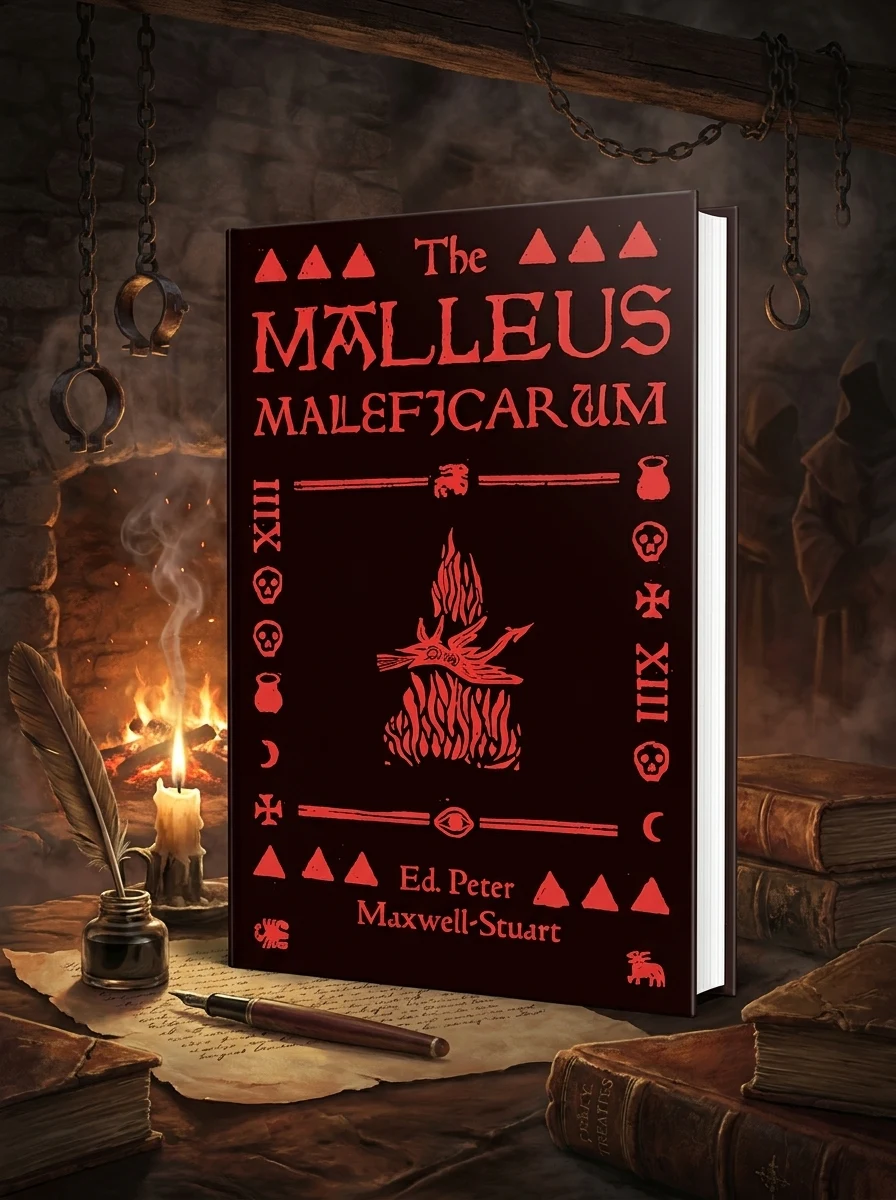

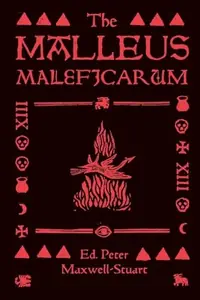
The Malleus Maleficarum
Maxwell-Stuart, PeterStock reported in the catalog; fulfillment is confirmed with your request.
Uncover the chilling mindset behind centuries of witch persecution and fear.
Delve into the dark heart of medieval paranoia with this essential English rendition of *The Malleus Maleficarum*. Penned in 1487, this infamous text served as the ultimate manual for identifying, prosecuting, and executing alleged witches. Edited by Peter Maxwell-Stuart, this accessible translation unveils the chilling logic and theological justifications employed by inquisitors, offering an unparalleled window into the anxieties surrounding witchcraft during a pivotal era in European history. It remains a stark reminder of humanity's capacity for fear and systemic cruelty, an indispensable resource for understanding the historical roots of persecution.
This work serves as an essential English rendition of the infamous 1487 manual for identifying and prosecuting alleged witches, reflecting the dark heart of medieval paranoia and theological justifications used by inquisitors.


📝 Description: The Malleus Maleficarum
💎 Expert review
📖 Why choose it
Why this book is worth reading
Scholars of European history, students of religious studies, and readers fascinated by the psychological underpinnings of mass hysteria will find immense value in this accessible translation. Peter Maxwell-Stuart’s editing makes the chilling logic of the original text available to modern eyes, offering an unparalleled window into the anxieties surrounding witchcraft during a pivotal era. It is indispensable for understanding the historical roots of persecution and serves as a stark reminder of humanity's capacity for fear and systemic cruelty. By unveiling the theological justifications employed by inquisitors, this book provides critical context for anyone seeking to comprehend the mindset behind centuries of witch persecution.
⭐ Reader reviews
Reader rating
This translation offers a stark, unflinching look at the mechanisms of medieval persecution, making it a vital resource for academic and serious historical inquiry. However, readers seeking comfort, spiritual guidance, or lighthearted occult lore will find this text deeply disturbing and unsuitable. It is not for those easily unsettled by systemic cruelty or the chilling logic used to justify execution. The book demands a strong stomach and an interest in grim history rather than esoteric practice. While invaluable for its historical insight into the anxieties of the time, it lacks the warmth or mystical allure often associated with the broader witchcraft genre, standing instead as a cold document of fear.
❓ Frequently asked questions
📖 Who should read this
If you're drawn to the darker currents of history, the origins of systemic persecution, or the intersection of religion and social control, this foundational text is essential. It offers profound insights for students of medieval Europe, religious studies, and the history of occult beliefs.
🎯 Key themes and symbolism
Medieval Witchcraft Beliefs
Explores the detailed, often fantastical, theories behind witchcraft, including pacts with the devil, maleficium, and the supposed powers of witches, as codified by the authors to justify their existence and persecution within the theological framework of the time.
Inquisitorial Justice Systems
Details the systematic methods for interrogation, torture, and conviction of accused witches, showcasing the procedural framework developed to eliminate perceived threats to Christian society and solidify ecclesiastical power through severe, often brutal, legal processes.
Gender and Persecution
Reveals the deeply entrenched misogynistic undertones prevalent in the era, specifically how the text disproportionately targeted women, framing them as inherently more susceptible to demonic influence and thus the primary agents of witchcraft and heresy.
💬 Quotes from the book
“Indeed, all witchcraft comes from carnal lust, which is in women insatiable.”
“The judge should proceed with the greatest diligence to extract the truth by torture.”
📜 Historical context
📚 Glossary
- Maleficium
- Inquisitor
- Demonology
📔 Questions to reflect on
- How did the theological and legal arguments presented in *The Malleus Maleficarum* contribute to the widespread fear and persecution of alleged witches in medieval Europe?
- Reflect on the role of gender in the witch hunts as portrayed in this text. What parallels, if any, can be drawn to contemporary forms of societal scapegoating or prejudice?
- In what ways does this historical document serve as a cautionary tale regarding the dangers of unchecked authority, religious dogma, and the suppression of dissenting beliefs?
✍️ More books by this author Maxwell-Stuart, Peter
All books by this author →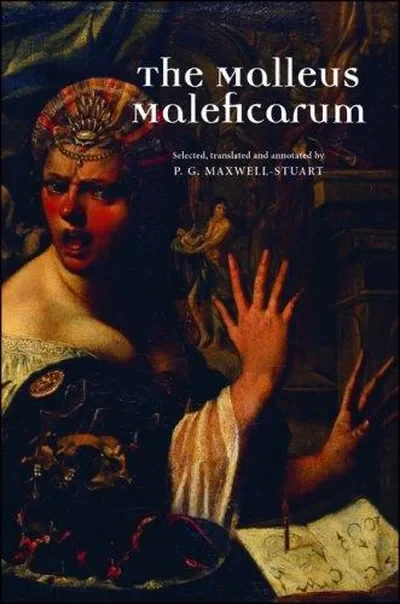
 82
82
🏛 Books from this publisher Manchester University Press
All books from this publisher → 88
88
 90
90
You might also like
See more →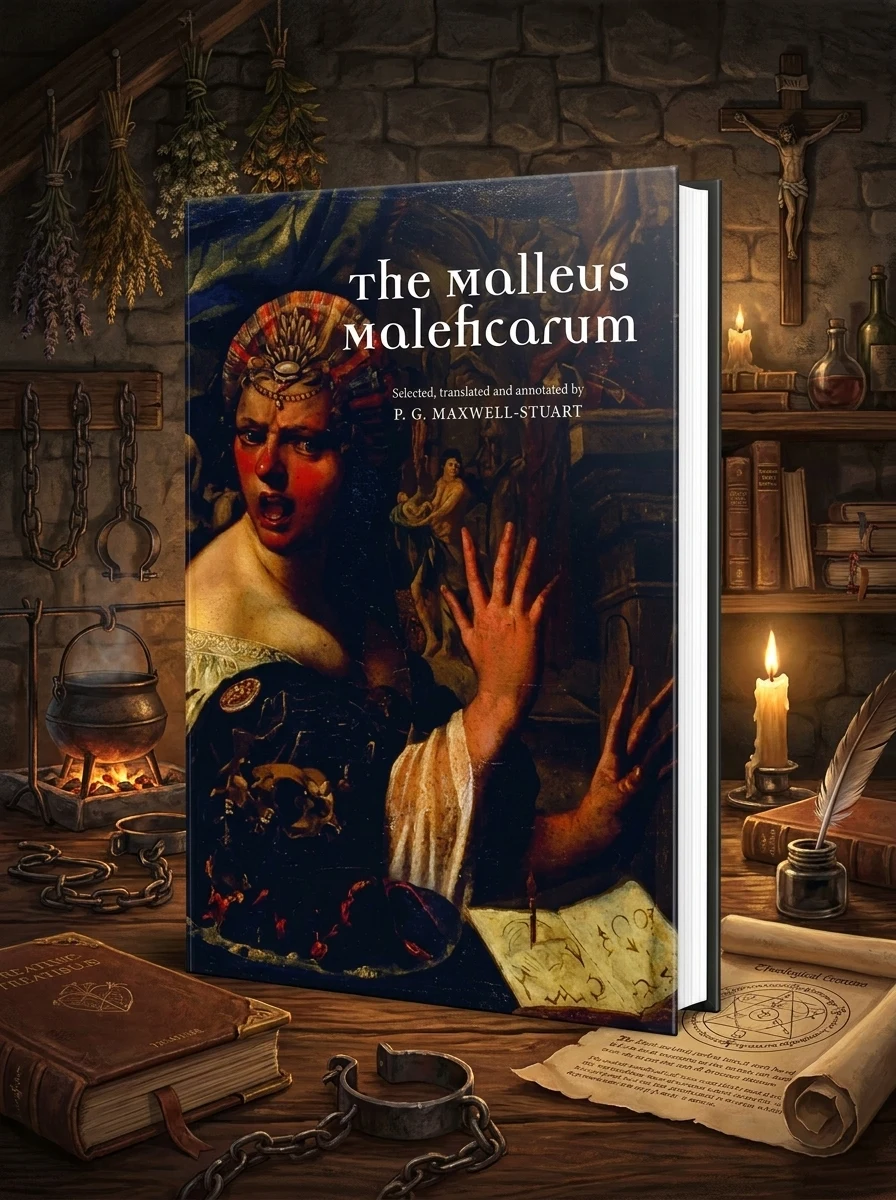 82
82
 90
90
 88
88
 87
87
 80
80