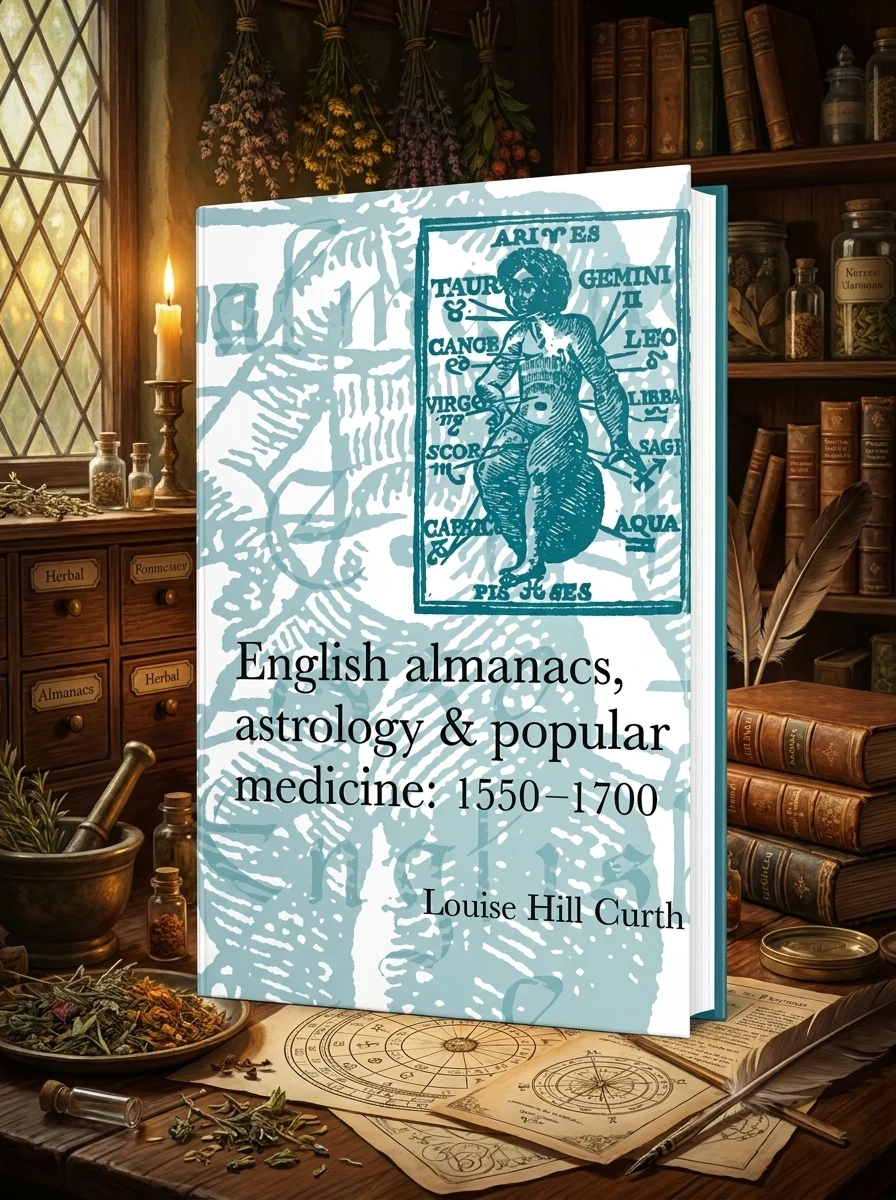
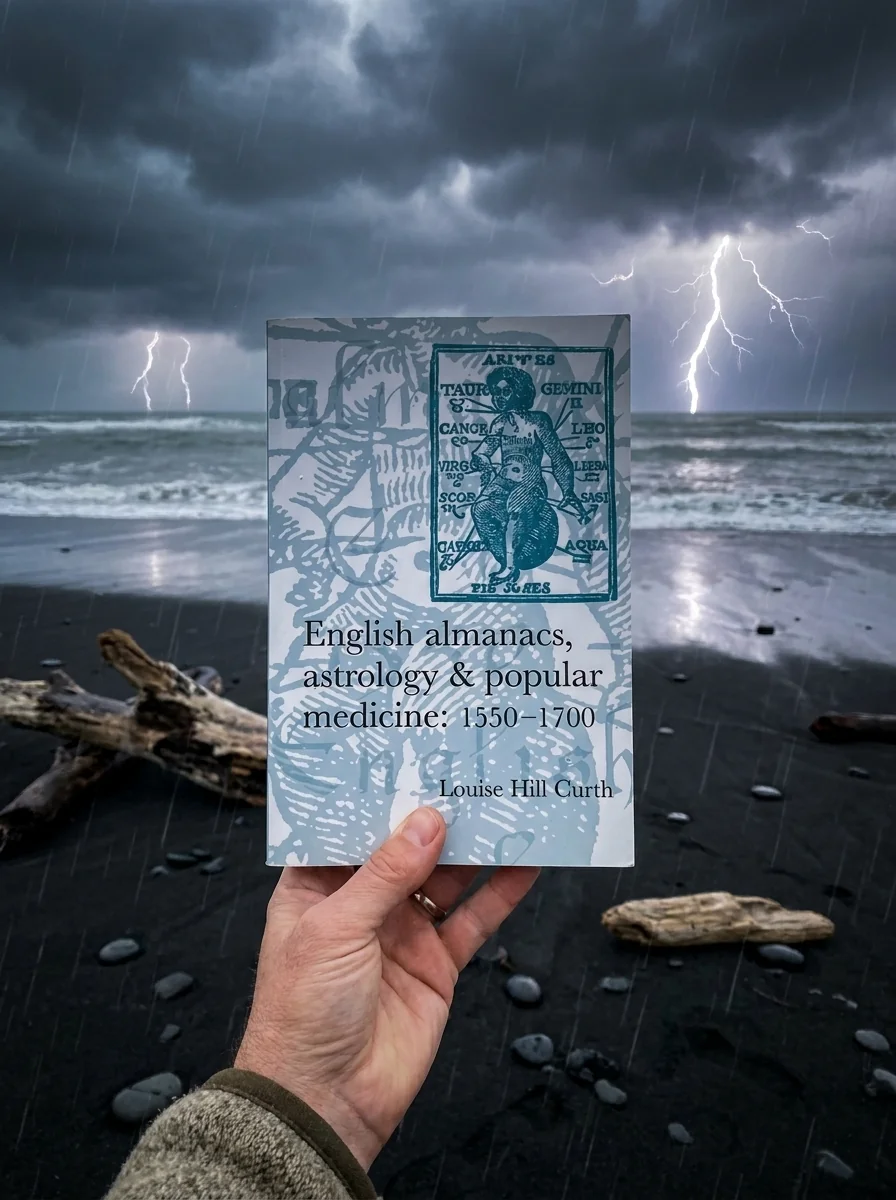
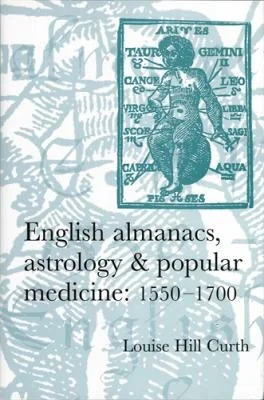
English Almanacs, Astrology and Popular Medicine, 1550-1700
Delve into the pervasive world of early modern English almanacs, revealing their profound impact on daily life, particularly in the realms of health and healing. Louise Hill-Curth meticulously examines how these ubiquitous publications, far from being mere calendars, served as primary conduits for popular medical knowledge and astrological prognostication between 1550 and 1700. This essential study illuminates the symbiotic relationship between celestial events, common ailments, and the widespread dissemination of practical health advice, offering a crucial lens into the period's understanding of well-being and the powerful role of print culture.


📝 Description: English Almanacs, Astrology and Popular Medicine, 1550-1700
💎 Expert review
📖 Why choose it
Why this book is worth reading
Scholars and enthusiasts of early modern history will find this text indispensable for understanding the daily realities of health and healing before modern science. Louise Hill-Curth reveals how almanacs were not mere calendars but vital conduits for medical knowledge, bridging the gap between celestial events and common ailments. Readers interested in the power of print culture and the symbiotic relationship between astrology and public well-being will gain a crucial lens into how early modern English society understood their own bodies and lives. It offers a profound look at how ubiquitous publications shaped societal norms and practical advice for centuries.
⭐ Reader reviews
Reader rating
Hill-Curth provides a meticulous examination of almanacs as primary sources for popular medical knowledge between 1550 and 1700. This study is essential for historians of science, medicine, and print culture who wish to understand the pervasive influence of astrological prognostication on daily life. However, readers seeking accessible narratives or practical historical recipes may find the academic analysis too dense. It does not suit those looking for straightforward biographical accounts of famous physicians, as it focuses strictly on the textual and cultural function of almanacs rather than individual medical practitioners.
❓ Frequently asked questions
📖 Who should read this
If you're fascinated by the history of medicine, the occult's influence on daily life, or the evolution of popular culture, this book offers an indispensable journey. It's for anyone eager to understand the historical interplay between science, superstition, and the printed word.
🎯 Key themes and symbolism
Popular Medical Practices
This work explores how everyday health advice, herbal remedies, and general well-being tips were distributed widely through these accessible publications. It uncovers the common medical understanding of the era, illustrating how individuals managed their health before modern medicine, relying on the practical information readily available in their annual almanacs for guidance and treatment.
Astrology's Healing Role
The book meticulously details the integral belief that planetary alignments and zodiacal signs directly influenced human health, disease, and the efficacy of treatments. It shows how astrological calculations were not merely superstitious but deeply integrated into medical practice, dictating optimal times for bloodletting, administering herbs, or even planting crops for medicinal use.
Power of the Printed Word
Exploring how the sheer volume and reach of almanacs made them unparalleled vehicles for shaping public thought and disseminating information across all social strata. This theme highlights the revolutionary impact of widespread printing, transforming how medical and astrological knowledge, previously confined to scholarly texts, became a common currency among the populace, fostering a shared cultural understanding.
📜 Historical context
📚 Glossary
- Almanac
- Early Modern England
- Popular Medicine
📔 Questions to reflect on
- How might the widespread availability of almanacs have shaped individual agency and collective health beliefs in a pre-scientific era?
- Consider the parallels between early modern almanacs and modern popular health media. What similarities or differences do you observe in how health information is disseminated and consumed?
- If you lived in 17th-century England, how would the astrological and medical advice found in your almanac influence your daily decisions, particularly regarding your well-being?