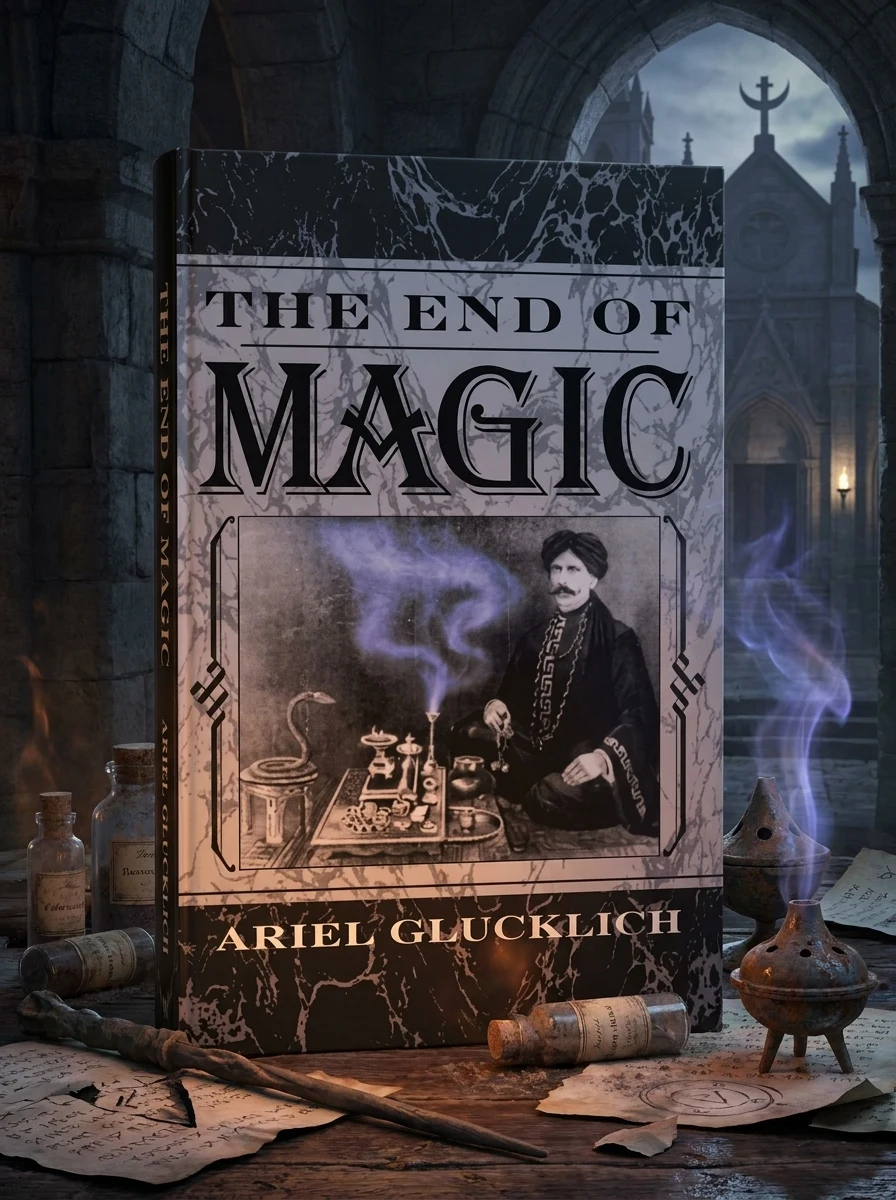
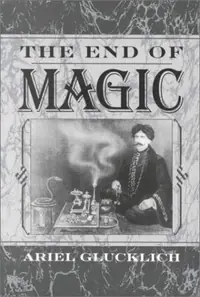
The End of Magic
Glucklich, Ariel 88
88
 Editorial score
How we rate
Editorial score
How we rate
Stock reported in the catalog; fulfillment is confirmed with your request.
Unravel the enigmatic fading of magic in a world still vibrant with faith.
Ariel Glucklich embarks on a profound inquiry into the historical arc of magic, a force once as pervasive as religion. This compelling work delves into the fundamental nature of magic, exploring its societal functions and psychological underpinnings. Glucklich meticulously examines why this ancient practice, despite its deep roots in human experience, appears to be receding into the shadows while organized religions continue to thrive. It’s a vital exploration for anyone seeking to understand the shifting landscape of human belief and the elusive essence of the magical.
This work resides within the scholarly discourse of esoteric history and sociology, examining magic as a pervasive societal force comparable to religion. It bridges the gap between anthropological study and occult tradition by analyzing the psychological underpinnings of magical practice.


📝 Description: The End of Magic
💎 Expert review
📖 Why choose it
Why this book is worth reading
Ariel Glucklich’s The End of Magic offers a profound inquiry for those fascinated by the historical arc of magic and its fundamental nature. Readers seeking to understand why this ancient practice is receding while organized religions thrive will find this vital exploration rewarding. It delves into societal functions and psychological underpinnings, providing essential context for anyone studying the shifting landscape of human belief. By unraveling the enigmatic fading of magic in a world still vibrant with faith, Glucklich illuminates the elusive essence of the magical. This book is ideal for scholars and enthusiasts alike who wish to grasp the deep roots of magical experience and its complex relationship with modern spirituality.
⭐ Reader reviews
Reader rating
Glucklich meticulously examines the societal functions of magic, offering a compelling work that delves into its fundamental nature. While this exploration is vital for understanding the shifting landscape of human belief, it may not suit readers seeking practical ritual instructions or immediate mystical experiences. The text focuses on historical inquiry and psychological analysis rather than operational technique. Those looking for vibrant ceremonial guides might find the academic tone dry. However, for those interested in the sociological decline of magic versus the persistence of religion, this is an insightful, albeit dense, assessment of why ancient practices are fading into the shadows despite their deep roots.
❓ Frequently asked questions
📖 Who should read this
For seekers intrigued by the intersection of spirituality, anthropology, and philosophy, this book offers a rigorous yet accessible exploration. If you’ve ever pondered why magic holds such a powerful, yet increasingly elusive, grip on the human imagination, this is an essential read.
🎯 Key themes and symbolism
The Nature of Magic
Glucklich dissects the multifaceted concept of magic, moving beyond simplistic definitions to explore its core mechanisms and perceived efficacy across diverse cultures. He investigates what magic truly "is" in practice and belief, distinguishing it from related spiritual phenomena and rational thought, challenging readers to reconsider its fundamental essence.
Magic's Historical Trajectory
This book meticulously traces magic's evolution from ancient pervasive practice to its contemporary, seemingly diminished state. It asks critical questions about the forces that shaped its decline, contrasting its historical arc with the enduring presence and adaptation of religious belief systems across civilizations, offering insights into cultural shifts.
Belief and Human Experience
Glucklich delves into the profound human need for magic, examining the psychological and social reasons people have historically embraced magical thought. He explores how belief structures reality and provides meaning, analyzing the interplay between individual perception, communal practice, and the societal acceptance or rejection of magical paradigms.
💬 Quotes from the book
“Perhaps the true 'end of magic' isn't its disappearance, but its re-enchantment into forms we no longer recognize as such, hiding in plain sight within our secular rituals and psychological frameworks.”
“The fundamental human yearning for agency over an unpredictable world, once channeled through incantation and charm, now often finds solace in scientific promise or the certainties of faith, leaving magic in a curious liminal space.”
📜 Historical context
📚 Glossary
- Animism
- Sympathetic Magic
- Rationalization
📔 Questions to reflect on
- Considering Glucklich's insights, how do you personally define 'magic' in contrast to 'religion' or 'science'?
- Reflect on a time in your life or culture where you've witnessed something that felt 'magical.' How does it align or diverge from the book's historical understanding of magic?
- If magic is indeed 'stumbling towards extinction,' what might be the societal or individual consequences of its absence?
✍️ More books by this author Glucklich, Ariel
All books by this author →
🏛 Books from this publisher Oxford University Press
All books from this publisher →
 81
81
You might also like
See more →
 91
91