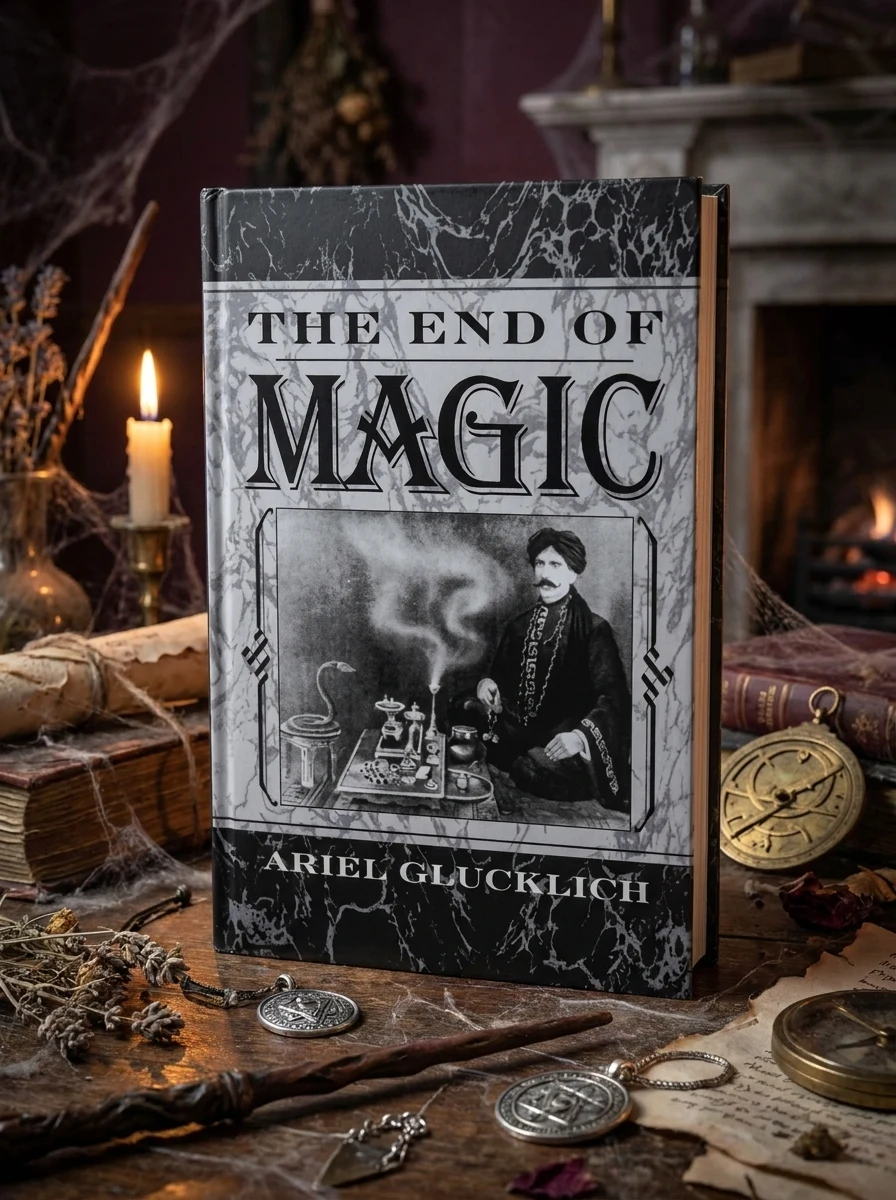
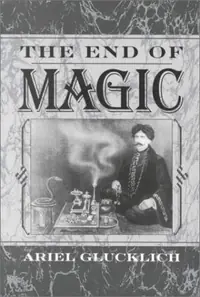
The End of Magic
Glucklich, Ariel 83
83
 Editorial score
How we rate
Editorial score
How we rate
Stock reported in the catalog; fulfillment is confirmed with your request.
Uncover why magic, once religion's equal, now teeters on the brink of oblivion.
Ariel Glucklich embarks on a profound intellectual journey, exploring magic's historical prominence as a counterpart to religion. This insightful study delves into the fundamental questions surrounding magic: its very definition, its practical applications throughout human history, and the deep-seated psychological and cultural reasons for its enduring appeal. Glucklich meticulously examines why, despite its pervasive influence across millennia, the practice and belief in magic appear to be receding, while organized religion continues to thrive in the modern world. It's a critical look at a vanishing art.
This academic work situates magic as a historical counterpart to organized religion, examining its decline in the modern era while tracing its enduring cultural appeal. It bridges the gap between anthropological study and esoteric history within the Oxford University Press canon.


📝 Description: The End of Magic
💎 Expert review
📖 Why choose it
Why this book is worth reading
Readers fascinated by the intersection of anthropology, psychology, and esoteric history will find this text indispensable. Ariel Glucklich offers a rigorous intellectual journey that clarifies why magic once stood as an equal to religion before receding into oblivion. This book is ideal for scholars and serious enthusiasts who wish to understand the deep-seated psychological reasons behind humanity's enduring fascination with magical practices. It provides a critical, scholarly lens through which to view a vanishing art form, answering fundamental questions about definition, application, and cultural persistence without resorting to mysticism.
⭐ Reader reviews
Reader rating
Glucklich delivers a profound, albeit dense, intellectual exploration of magic’s historical prominence and subsequent decline. The text is meticulously researched, offering critical insights into the psychological and cultural forces that sustained magical belief for millennia. However, this scholarly rigor may alienate casual readers or those seeking practical occult instructions. It is not suited for individuals looking for easy answers or romanticized notions of witchcraft. Instead, it demands patience from those willing to engage with complex sociological arguments about why organized religion thrives while magic fades.
❓ Frequently asked questions
📖 Who should read this
If you're fascinated by the philosophy of belief, the history of esoteric practices, or the intricate relationship between human consciousness and the sacred, this book offers a compelling and scholarly exploration. It's for those who ponder why some belief systems endure while others fade.
🎯 Key themes and symbolism
Magic and Religion Compared
The book intricately charts the parallel historical paths of magic and religion, highlighting their often-intertwined origins and functions in human society. It scrutinizes how these two systems of belief and practice, once virtually indistinguishable, gradually diverged and how their societal roles transformed over time, leading to magic's current marginalized status.
Defining the Essence of Magic
Glucklich undertakes a rigorous philosophical inquiry into what constitutes 'magic' itself. Moving beyond superficial definitions, the author explores magic as a distinct mode of thought, action, and belief, examining its internal logic and its relationship to causality, intention, and efficacy across diverse cultural contexts, offering a fresh perspective on its core identity.
The Decline of Magical Praxis
This work thoughtfully investigates the reasons behind magic's perceived decline in contemporary society. It probes the cultural, scientific, and philosophical shifts that have contributed to its erosion, contrasting this with religion's continued societal relevance. The book posits that this isn't merely a loss of practice but a profound reorientation of human understanding of power and agency.
💬 Quotes from the book
“For millennia, the human spirit found expression in both sacred ritual and practical enchantment, often indistinguishable in their societal function.”
“The modern retreat of magic is not merely a loss of belief, but a fundamental shift in how we perceive agency and power in the cosmos.”
📜 Historical context
📚 Glossary
- Animism
- Sympathetic Magic
- Comparative Religion
📔 Questions to reflect on
- Reflect on a time you experienced something you might describe as 'magical.' How does that personal experience align or conflict with the academic definitions of magic discussed in the book?
- Consider the societal functions that magic once fulfilled. What institutions or practices in modern society have taken over these roles, and what has been gained or lost in the process?
- If magic is indeed 'ending,' what does that signify for humanity's understanding of the unseen, the unknown, and our place within a larger cosmos?
✍️ More books by this author Glucklich, Ariel
All books by this author →
🏛 Books from this publisher Oxford University Press
All books from this publisher →
 81
81
You might also like
See more → 91
91