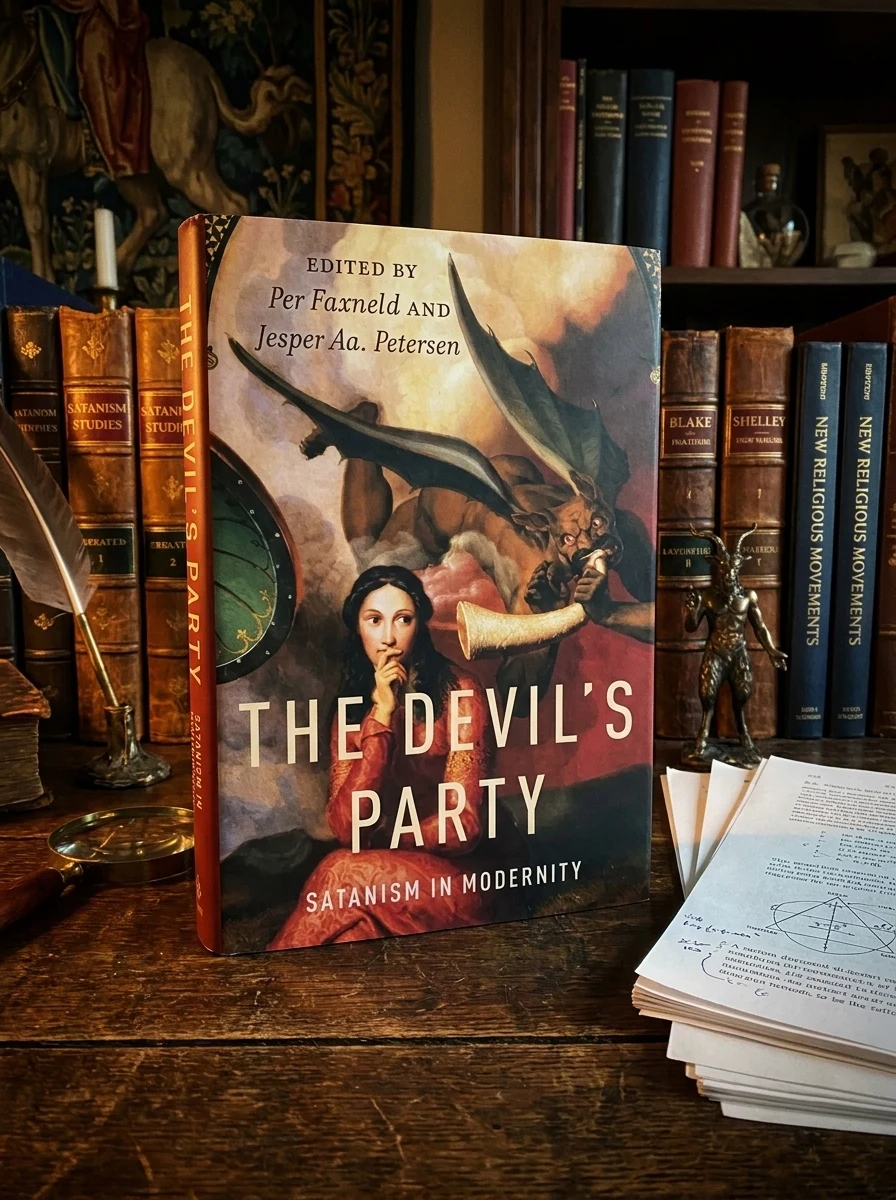
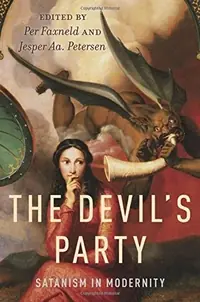
The Devil's Party: Satanism in Modernity
Stock reported in the catalog; fulfillment is confirmed with your request.
Unearth the complex, evolving reality of modern Satanism.
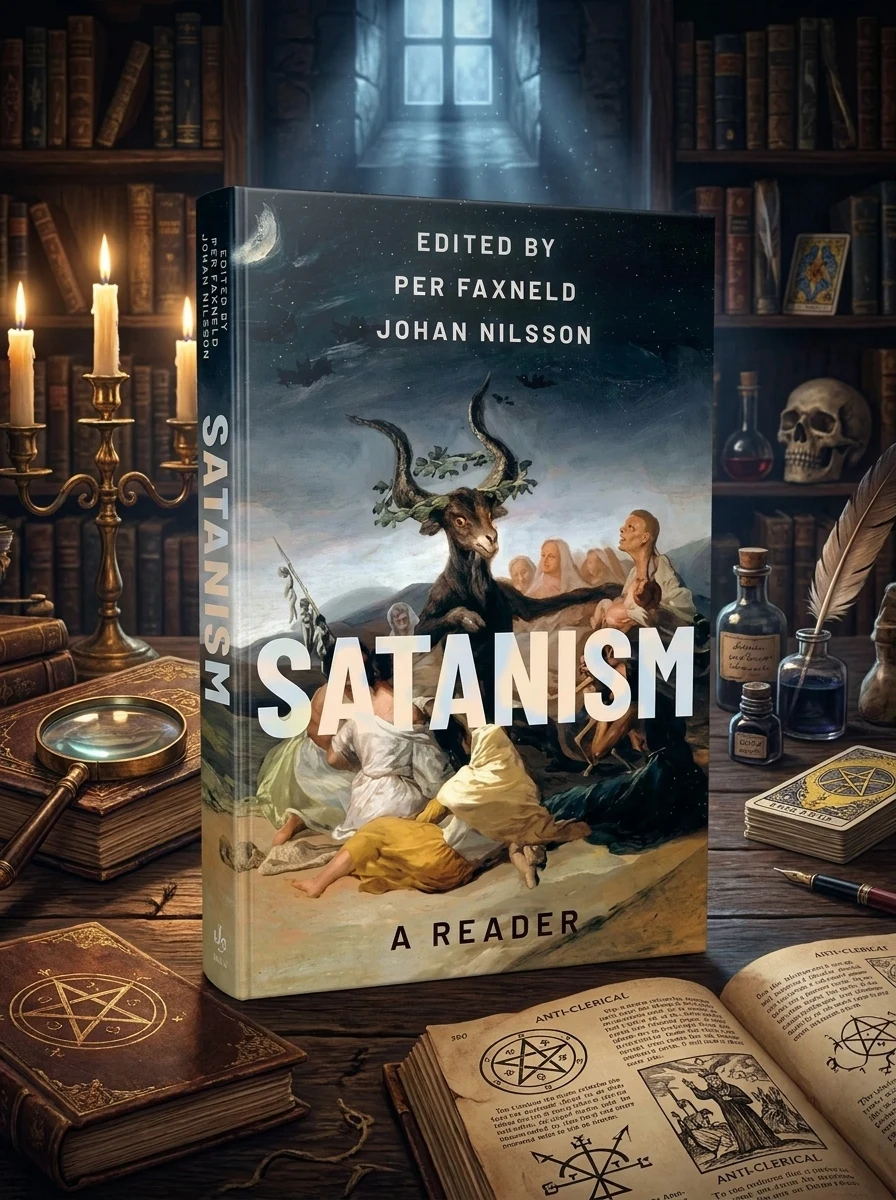
This groundbreaking collection redefines the academic study of Satanism, moving beyond sensationalism to explore it as a legitimate, multifaceted religious and cultural phenomenon. Featuring twelve incisive essays, the volume delves into Satanism's historical roots from literary figures like Blake and Shelley, through the foundational Church of Satan, to its diverse contemporary expressions. It meticulously examines its cultural production, organizational structures, and lived experiences, offering a crucial, scholarly perspective on a often-misunderstood subject. Expect a rigorous, analytical approach to a field ripe for serious inquiry.
This volume sits at the intersection of academic religious studies and modern occult history, challenging sensationalist narratives with rigorous scholarship. It recontextualizes Satanism as a legitimate multifaceted phenomenon within contemporary cultural production.


📝 Description: The Devil's Party: Satanism in Modernity
💎 Expert review
📖 Why choose it
Why this book is worth reading
Scholars, serious practitioners, and culturally curious readers will find immense value in this grounded exploration. It moves past sensationalism to offer a nuanced understanding of Satanism’s historical roots and contemporary expressions. By examining organizational structures and lived experiences, the book provides essential clarity for those seeking an authentic, scholarly perspective on a misunderstood subject. It is ideal for anyone wanting to understand the complex reality behind the mythos without the noise of pop culture distortion.
⭐ Reader reviews
Reader rating
This collection offers a vital, rigorous academic intervention in the study of Satanism. While its twelve essays provide deep insight into historical roots from Blake and Shelley to the Church of Satan, it demands patience from casual readers. It is not suited for those seeking occult practice manuals or sensationalist thrillers. The dense, analytical tone may alienate general audiences preferring accessible pop-occultism. However, for those willing to engage with complex cultural production and scholarly inquiry, it remains an indispensable, authoritative resource that successfully redefines the field.
❓ Frequently asked questions
📖 Who should read this
If you're a serious student of religion, cultural studies, or seek rigorous academic insight into unconventional spiritual paths, this collection offers essential perspectives. It's for those eager to move beyond popular misconceptions and engage with Satanism through a scholarly, nuanced lens.
🎯 Key themes and symbolism
Satanism's Historical Evolution
Trace the fascinating trajectory of Satanism from its nascent stirrings in Romantic literature with figures like William Blake and Percy Bysshe Shelley, through the influential rise of the Californian Church of Satan in the 1960s, and into the diverse, radical developments shaping the contemporary Satanic landscape today. This book illuminates its continuous, often surprising, transformations.
Lived Satanic Practice
Explore Satanism not merely as an abstract philosophy but as a vibrant, practiced religion and lifestyle. The essays investigate the deeply personal experience of conversion to Satanism, analyze its cultural output and consumption, and scrutinize its organizational structures, offering an anthropological and sociological lens on how individuals engage with these beliefs in their daily lives.
Controversial Dimensions Explored
Engage with the more challenging and often misunderstood facets of Satanism. This volume fearlessly tackles subjects such as the perceived connections between Satanism and political violence, examines the decadent Satanic currents of the 19th century, delves into the concept of transgression, and critically unpacks conspiracy theories surrounding Satanic groups, providing balanced, scholarly context.
💬 Quotes from the book
“For too long, self-declared Satanism, with its rich cultural production and evolving organizational structures, has been marginalized in academic discourse. This collection aims to rectify that oversight.”
“From the Romantic poets to Californian counterculture, and into the diverse radical milieus of today, the Satanic impulse manifests in forms both unexpected and profoundly insightful, demanding rigorous analysis.”
📜 Historical context
📚 Glossary
- New Religious Movements (NRMs)
- Transgression
- Philology
📔 Questions to reflect on
- How might our understanding of 'religion' be challenged or expanded by considering Satanism as a legitimate, practiced faith, as this book proposes?
- Considering the book's scope from literary to lived Satanism, what are the most significant cultural or societal factors that have allowed Satanic movements to emerge and evolve?
- The book discusses transgression. In what ways do modern Satanic movements utilize transgression, and what might be the underlying philosophical or psychological motivations behind such acts?
🏛 Books from this publisher Oxford University Press
All books from this publisher →
 81
81
You might also like
See more →