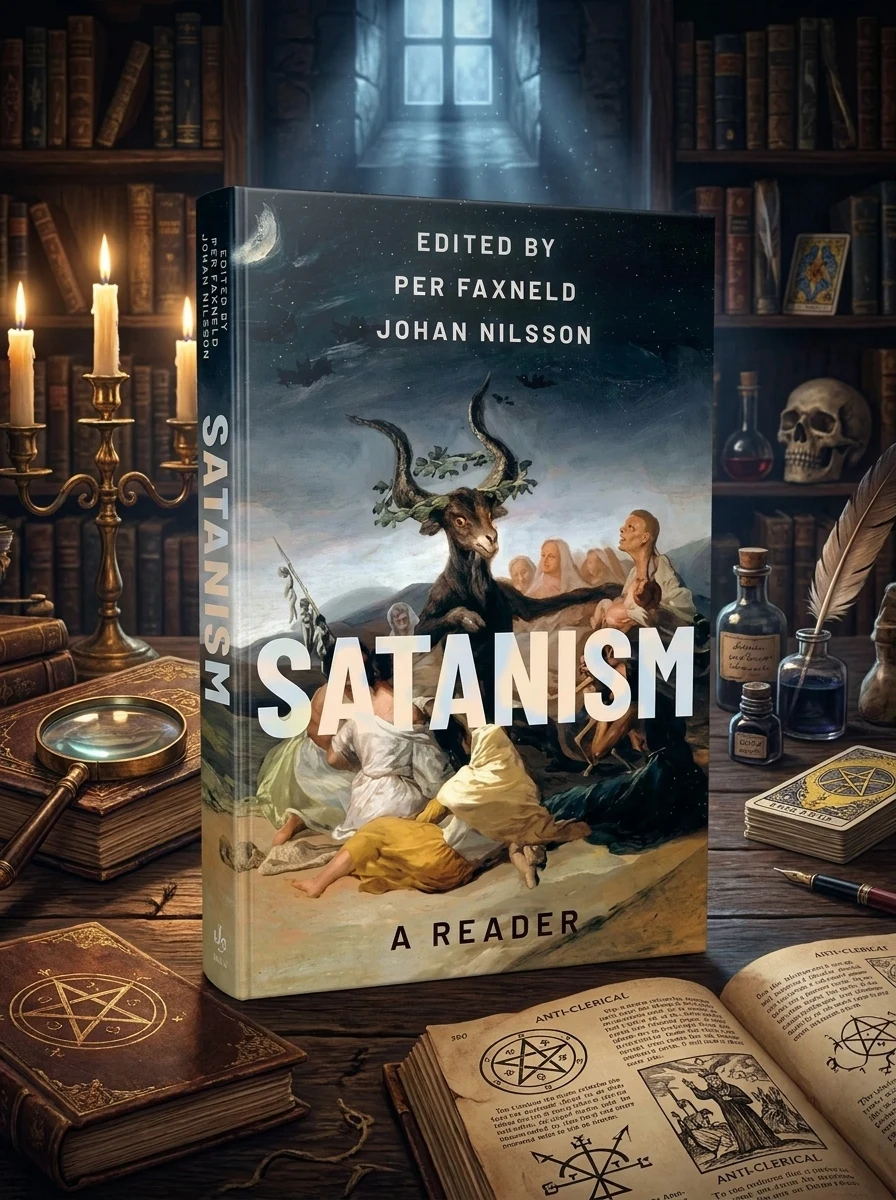
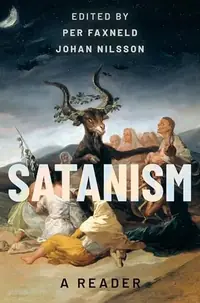
Satanism: A Reader
Stock reported in the catalog; fulfillment is confirmed with your request.
Uncover the forbidden currents of thought shaping Satanism from 1841 to today.
This essential anthology meticulously compiles foundational texts on Satanism spanning nearly two centuries, from 1841 to 2017. Curated by Per Faxneld and Johan Nilsson, it addresses a significant gap in academic understanding of a profoundly misunderstood subject. Readers will explore the multifaceted nature of Satanic thought, encountering perspectives that range from profound esoteric philosophy to radical anti-clericalism and provocative countercultural movements. It offers an unparalleled resource for scholars and curious minds seeking a comprehensive, primary source-driven exploration of this often-controversial spiritual and philosophical tradition.
This anthology situates itself within the academic study of modern esotericism and religious history, bridging the gap between countercultural movements and scholarly analysis. It serves as a primary source collection that traces the evolution of Satanic thought from the mid-nineteenth century through contemporary philosophical debates.


📝 Description: Satanism: A Reader
💎 Expert review
📖 Why choose it
Why this book is worth reading
Scholars, historians of religion, and curious minds seeking a rigorous, primary-source-driven exploration will find immense value in this comprehensive anthology. It addresses a significant gap in academic understanding by meticulously compiling foundational texts that span nearly two centuries of Satanic thought. Readers gain an unparalleled resource for examining the multifaceted nature of this tradition, from esoteric philosophy to radical anti-clericalism. By presenting these perspectives without judgment, the book allows for a profound appreciation of the intellectual currents that have shaped these controversial spiritual and philosophical movements, offering clarity where there is often only misunderstanding.
⭐ Reader reviews
Reader rating
This essential anthology provides a meticulous compilation of foundational texts, filling a notable void in academic literature regarding Satanic history. It is invaluable for researchers needing direct access to primary sources spanning from 1841 to 2017. However, it does not suit casual readers seeking sensationalism or those expecting a narrative-driven story rather than an analytical collection. Those looking for simple moral guidance or anti-Satanic polemics will find little utility here. It is strictly for those willing to engage with complex, often provocative material in its original academic context, demanding patience and intellectual openness from the audience.
❓ Frequently asked questions
📖 Who should read this
For the serious student of religion, philosophy, or counterculture, this anthology offers an indispensable resource. If you seek to move beyond sensationalism and explore the genuine intellectual foundations of Satanism through primary texts, this collection is curated for your insightful journey.
🎯 Key themes and symbolism
Diverse Satanic Expressions
This collection illuminates the vast spectrum of Satanic thought, presenting how it has manifested across different eras and philosophies. From mystical interpretations of the Adversary to secular critiques of religious authority, the book showcases the complex and often contradictory facets of a tradition frequently oversimplified.
Bridging Academic Gaps
Recognizing the historical lack of rigorous academic inquiry into Satanism, this reader serves as a crucial scholarly intervention. By assembling primary documents, it provides researchers and students with direct access to the source material, fostering a more nuanced and informed understanding of its intellectual history.
Evolution of Thought
The chronological arrangement of texts reveals the dynamic evolution of Satanic ideas over time. Readers can trace how concepts of rebellion, freedom, and the 'Satanic' archetype have been reinterpreted and adapted, offering insights into the ongoing development of this compelling and controversial current of thought.
💬 Quotes from the book
“To challenge the prevailing light, one must first master the shadows it casts upon the human spirit.”
“No true freedom can exist where the mind is shackled by ancient dogmas and the dictates of external masters.”
📜 Historical context
📚 Glossary
- Esoteric
- Anti-clerical
- Countercultural
📔 Questions to reflect on
- How do the various interpretations of 'Satan' or the 'Adversary' presented in these texts challenge or reinforce your preconceived notions of the term?
- Considering the range from esoteric to anti-clerical, what connections or divergences do you observe in the underlying motivations for identifying with 'Satanism' across different eras?
- In what ways does the historical evolution of Satanic thought, as documented here, reflect broader societal shifts in spirituality, philosophy, and rebellion?
🏛 Books from this publisher Oxford University Press
All books from this publisher →
 81
81

You might also like
See more → 91
91