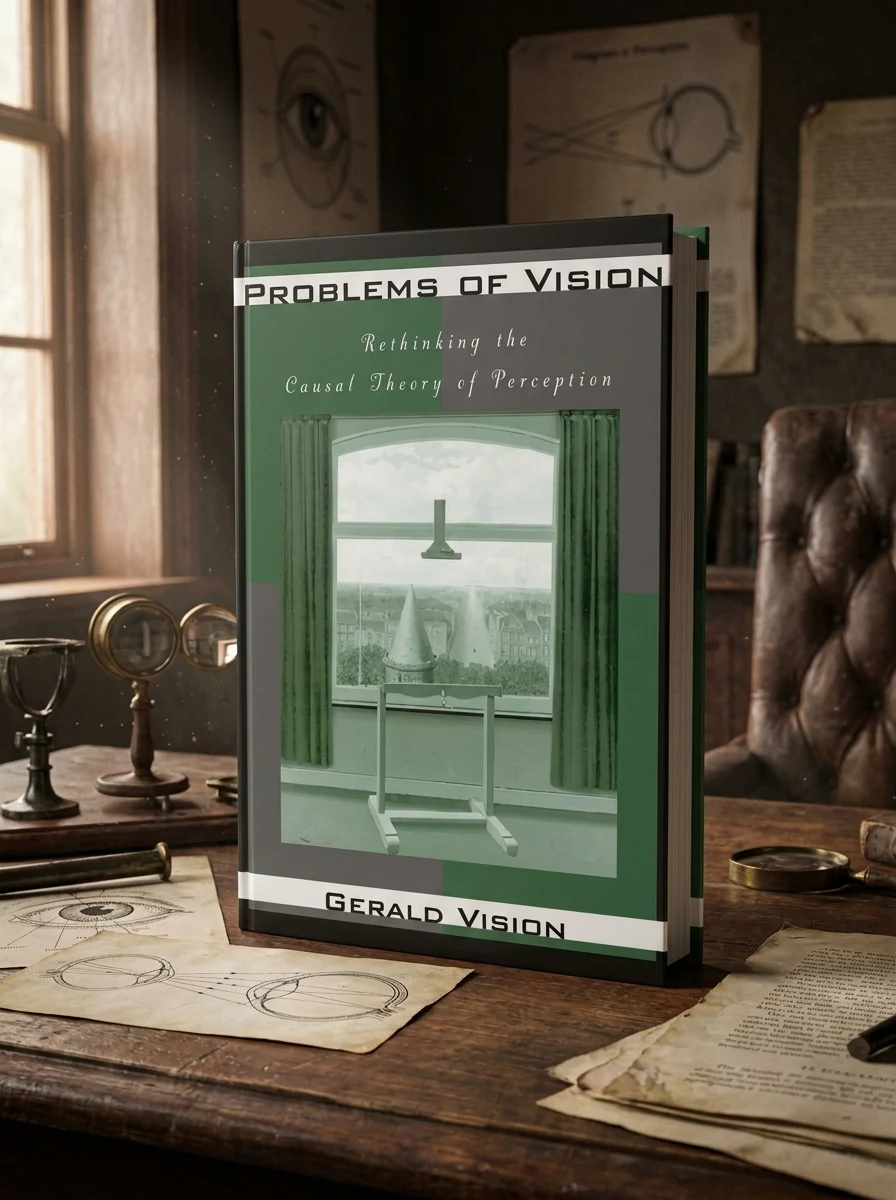

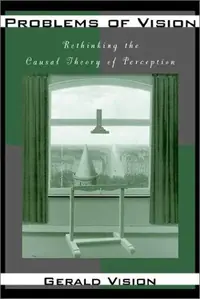
Problems of Vision: Rethinking the Causal Theory of Perception
 82
82
 Editorial score
How we rate
Editorial score
How we rate
Stock reported in the catalog; fulfillment is confirmed with your request.
Vision shatters old perceptual chains, offering a radical causal framework for modern philosophy.
Gerald Vision dismantles the outdated subjectivist models that have long plagued epistemological discourse. He constructs a robust causal theory that bridges the gap between mind and world, engaging directly with direct realism. By rejecting discredited psychological assumptions, this work offers a fresh lens for understanding how we perceive reality. It is a rigorous, provocative exploration for those seeking to redefine the very mechanics of sight and knowledge.
This text emerges from the rigorous landscape of contemporary analytic epistemology, challenging traditional subjectivist models with a robust causal framework. It sits firmly within modern philosophical discourse, engaging directly with debates on direct realism and the mechanics of sight.


📝 Description: Problems of Vision: Rethinking the Causal Theory of Perception
💎 Expert review
📖 Why choose it
Why this book is worth reading
This book is essential for the intellectual seeker who feels constrained by outdated subjectivist models that have long plagued epistemological discourse. Gerald Vision offers a radical causal framework that bridges the persistent gap between mind and world, providing a fresh lens for understanding how we perceive reality. It is not merely a theoretical exercise but a provocative exploration for those seeking to redefine the very mechanics of sight and knowledge. Readers who crave rigorous argumentation and wish to shatter old perceptual chains will find profound value here in dismantling discredited psychological assumptions.
⭐ Reader reviews
Reader rating
Finally got around to ordering this. I found myself reading passages aloud just to sit with them. Great value for what you get.
Bought this as a gift for my sister and ended up ordering a second copy for myself. The print is clean and easy on the eyes for long sessions. A text you study rather than simply read.
Finally got around to ordering this. Some chapters demand a slow, careful read, and that's exactly the point. It assumes more background than a beginner might have. Happy enough with the purchase.
Ordered this after seeing it referenced in another book I was studying. The material is presented clearly and the structure makes it easy to revisit key passages. Highly recommend to serious students.
Exactly what I was looking for. You can tell why this work has endured. Some archaic spellings slow things down. Good, with the caveats above.
This edition finally does the material justice. The print is clean and easy on the eyes for long sessions. Recommended if you're ready to do the work.
Not my usual area but wanted to branch out. The typesetting is comfortable for study, with good margins for notes. Plenty of passages worth underlining; my copy is already full of margin notes. Definitely recommend.
Vision delivers a formidable assault on established epistemological norms, constructing a robust causal theory that demands serious engagement. This work is strictly for those prepared to tackle complex philosophical mechanics and direct realism debates; it offers no hand-holding or accessible entry points for the casual reader. If you seek light entertainment or simple answers regarding perception, look elsewhere. However, for the dedicated scholar willing to engage with a rigorous, provocative redefinition of sight, this text provides an indispensable, challenging, and ultimately rewarding dismantling of traditional perceptual chains.
❓ Frequently asked questions
📖 Who should read this
Read this if you are tired of abstract mentalist explanations and seek a rigorous, biologically grounded causal theory. Ideal for philosophers and psychologists ready to rethink the mechanics of sight.
🎯 Key themes and symbolism
Causal Theory Reconstruction
Vision rebuilds the foundations of perception by discarding obsolete subjectivist frameworks. He proposes a new causal model that accounts for sensory data without relying on internal mental representations, offering a more direct and philosophically sound explanation of how visual information reaches the conscious mind.
Direct Realism Engagement
The text does not shy away from the complexities of direct realism. Instead, it engages provocatively with this tradition, challenging its limitations while preserving its core insight that we perceive the world directly. This dialogue between theories provides a nuanced path forward for contemporary epistemological debates.
Physiological Psychology Links
By integrating physiological psychology, the author grounds abstract philosophical arguments in biological reality. This approach ensures that the causal theory is not merely metaphysical speculation but is tethered to the actual mechanisms of human sight, providing a multidisciplinary perspective on the nature of perception.
💬 Quotes from the book
“We must abandon the ghost in the machine and look directly at the world.”
“Vision is not a construction but a revelation of causal chains.”
📜 Historical context
📚 Glossary
- Causal Theory
- Subjectivism
- Direct Realism
📔 Questions to reflect on
- How does your own perception of reality shift when you consider the causal mechanisms behind your sight?
- In what ways does the rejection of subjectivism change your understanding of personal experience?
- Where do you see the boundaries between physiological sensation and philosophical interpretation in your daily life?
🏛 Books from this publisher Oxford University Press
All books from this publisher →
 81
81





You might also like
See more → 91
91