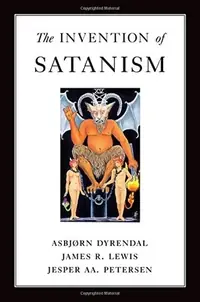
The Invention of Satanism
Stock reported in the catalog; fulfillment is confirmed with your request.
Satanism is not merely myth, but a living engine of meaning and identity in modern culture.
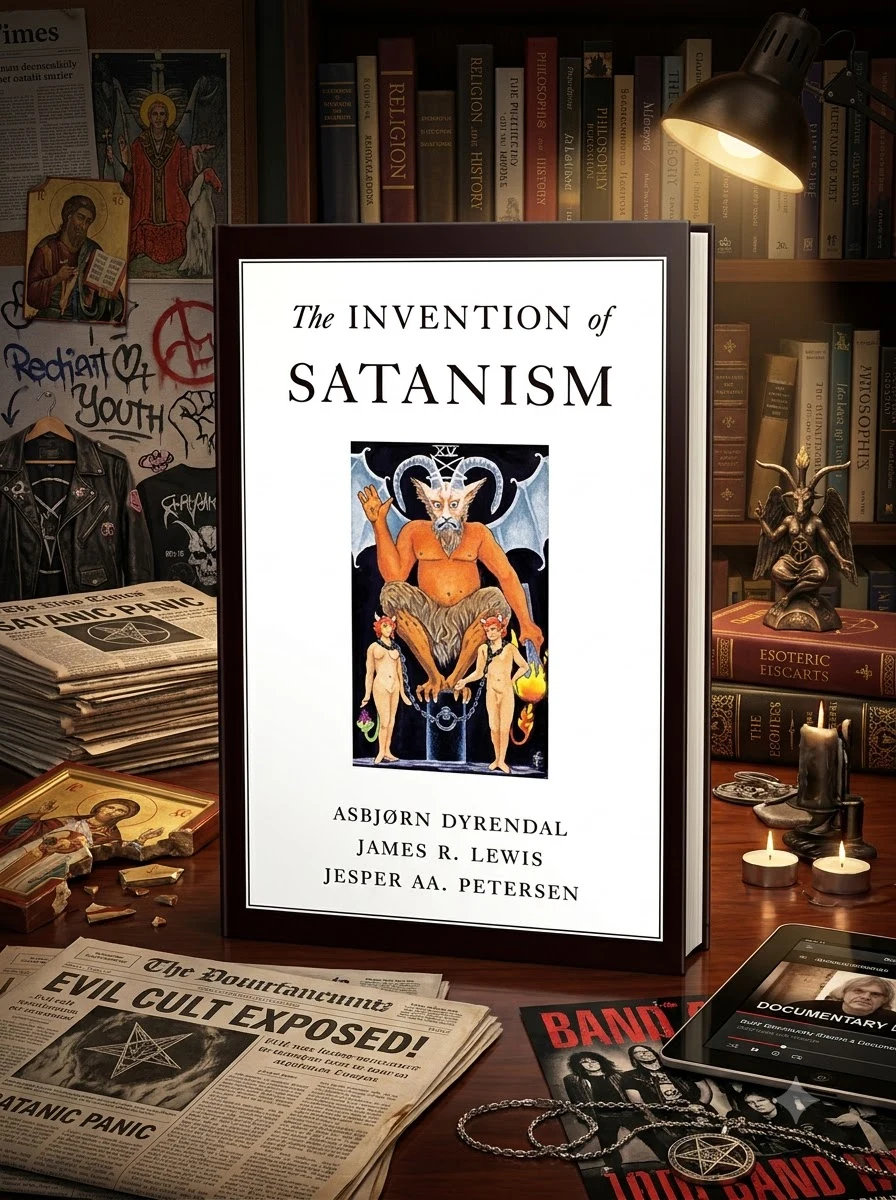
This volume dismantles the simplistic binaries surrounding Satanism, moving beyond sensationalism to analyze it as a dynamic sociological phenomenon. The authors trace how self-identified Satanists synthesize folklore and occult traditions to forge personal and collective identities. By examining Anton LaVey’s foundational work and subsequent subcultures, the text reveals Satanism as a continuous dialogue with popular culture. It functions as a fertile ground for new religious movements, demonstrating how belief systems are actively invented and reinvented rather than passively inherited.
Situated within the rigorous academic study of new religious movements and sociology, this work challenges sensationalist narratives by treating Satanism as a legitimate sociological phenomenon rather than mere myth or moral panic.


📝 Description: The Invention of Satanism
💎 Expert review
📖 Why choose it
Why this book is worth reading
This volume is essential for scholars, sociologists, and curious readers who wish to look past the sensationalist headlines surrounding Satanism. It offers a nuanced exploration of how self-identified Satanists actively synthesize folklore and occult traditions to forge meaningful personal and collective identities. Readers interested in the mechanics of belief formation will appreciate the dismantling of simplistic binaries, revealing Satanism not as a static inheritance but as a dynamic, living engine of meaning. By tracing the evolution from Anton LaVey’s foundational work through subsequent subcultures, the text illuminates how these groups engage in a continuous dialogue with popular culture. It is particularly valuable for those seeking to understand the inventive nature of modern religious identity and the complex ways in which belief systems are constructed, reinvented, and sustained in contemporary society.
⭐ Reader reviews
Reader rating
This exceeded my expectations. The language takes some getting used to, but it becomes part of the charm. Five stars from me.
Dyrendal provides a sophisticated sociological dissection that strips away sensationalism to reveal the structural integrity of Satanism as a cultural force. The analysis is robust, effectively tracing the synthesis of tradition and identity formation. However, readers seeking practical magical instruction, theological dogma, or a sympathetic defense of Satanic practice will find little utility here. This is a detached academic examination, not an insider’s guide or a manifesto. It may frustrate those expecting emotional resonance or actionable occult advice, as it prioritizes sociological data over spiritual experience. Consequently, it is strictly for the intellectually curious observer rather than the practitioner.
❓ Frequently asked questions
📖 Who should read this
Readers interested in the sociology of religion, modern occultism, and the construction of secular spiritual identities will find this rigorous analysis essential. It is ideal for those seeking to understand the intellectual architecture behind contemporary satanic movements.
🎯 Key themes and symbolism
Identity construction
Occult synthesis
Cultural dialogue
💬 Quotes from the book
“Satanism serves as a breeding ground for other new religious movements.”
“The invention of Satanism among self-declared religious Satanists.”
📜 Historical context
📚 Glossary
- Meaning-making
- Subculture
- Occultism
📔 Questions to reflect on
- How do the narratives you inherit shape your current sense of self?
- In what ways do you synthesize conflicting traditions to form your own worldview?
- How does popular culture influence the way spiritual identities are perceived today?
🏛 Books from this publisher Oxford University Press
All books from this publisher →
 81
81


You might also like
See more → 91
91