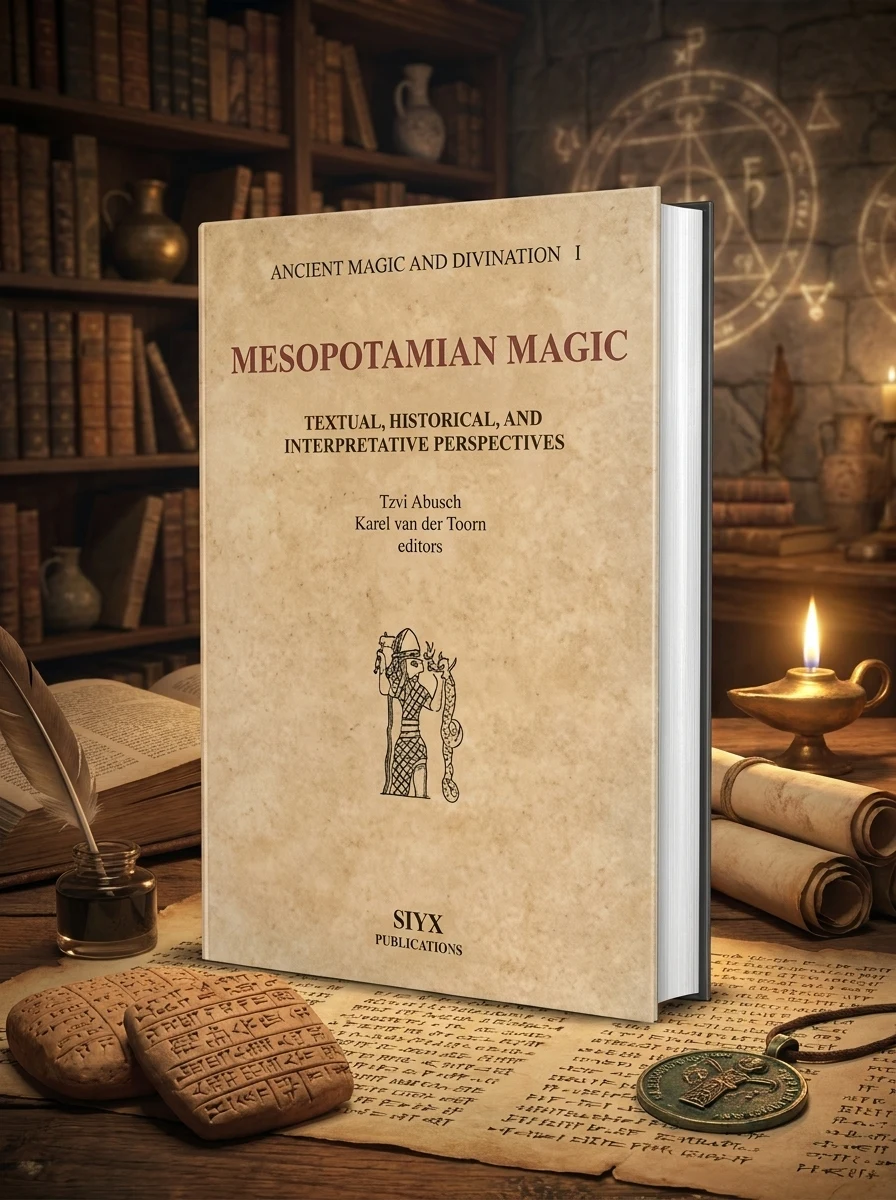
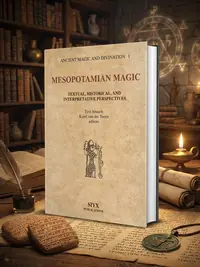
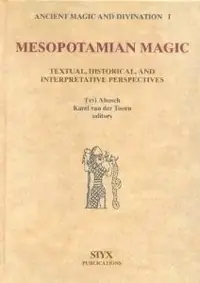
Mesopotamian Magic: Textual, Historical and Interpretative Perspectives - Ingram Academic Abusch, Tzvi
 79
79
 Editorial score
How we rate
Editorial score
How we rate
This edition can be ordered. No arrival date is confirmed.
Unearth the arcane wisdom and intricate practices of ancient Mesopotamian magic.
This significant academic collection, compiled by esteemed scholars Tzvi Abusch and Karel van der Toorn, delves deep into the enigmatic world of Mesopotamian magical traditions. Originating from a pivotal international conference in 1995, it gathers expert analyses on the textual, historical, and interpretive dimensions of ancient Near Eastern sorcery. Readers will find rigorous examinations of cuneiform incantations, ritual practices, and the societal role of magic, offering a comprehensive and scholarly perspective on a foundational spiritual system.
This volume serves as a cornerstone for understanding the ancient Near Eastern magical traditions, specifically focusing on the textual and ritualistic frameworks of Mesopotamian sorcery. It bridges the gap between historical cuneiform studies and modern interpretative theories within the broader esoteric history.


📝 Description: Mesopotamian Magic: Textual, Historical and Interpretative Perspectives - Ingram Academic Abusch, Tzvi
💎 Expert review
📖 Why choose it
Why this book is worth reading
This book is an indispensable resource for serious practitioners and academic researchers seeking to ground their understanding of ceremonial magic in its historical origins. By examining the rigorous analyses of cuneiform incantations and societal roles, readers gain a profound appreciation for the intricate practices that underpin ancient spiritual systems. It offers a comprehensive perspective that moves beyond superficial curiosity, providing deep insight into how magic functioned as a foundational spiritual system in antiquity. Those interested in the textual integrity and historical context of esoteric traditions will find this collection invaluable for its scholarly depth and expert curation.
⭐ Reader reviews
Reader rating
This academic collection is a dense, rigorous examination of Mesopotamian magical traditions, best suited for scholars and dedicated historians rather than casual hobbyists. While it provides unparalleled insight into cuneiform incantations and ritual practices, its highly technical nature may alienate readers seeking practical spell-casting instructions or accessible prose. It does not suit those looking for a narrative journey or easy-to-digest summaries of esoteric history. However, for those willing to engage with complex interpretive dimensions and expert analyses from a pivotal 1995 conference, it remains an essential, authoritative text on ancient Near Eastern sorcery.
❓ Frequently asked questions
📖 Who should read this
Are you a serious student of ancient history, Near Eastern studies, or the academic foundations of magic? This book is essential for those seeking a rigorous, scholarly exploration of Mesopotamian magical practices, moving beyond popular misconceptions to historical and textual realities.
🎯 Key themes and symbolism
Textual Magic Analysis
The volume meticulously dissects ancient cuneiform tablets, interpreting the complex language and symbolism of Mesopotamian spells and rituals. It provides insights into how these texts were composed, preserved, and understood by their original practitioners, illuminating the literary and theological underpinnings of early magic.
Historical Context of Rituals
Readers will explore how magic was interwoven into the fabric of Mesopotamian society, examining its function within religious, social, and political structures. The essays trace the evolution of magical thought and practice across different periods, offering a dynamic view of its historical development and cultural significance.
Interpretive Perspectives
Beyond mere translation, this work engages with diverse scholarly approaches to understanding Mesopotamian magic. It tackles the challenge of interpreting ancient belief systems through modern lenses, discussing the methodologies and theoretical frameworks necessary to grasp the full scope and meaning of these profound spiritual expressions.
💬 Quotes from the book
“The intricate symbolic language embedded within the Maqlû series provides a compelling window into the Mesopotamian understanding of malevolent forces and the structured rituals devised for their neutralization.”
“By examining the role of the *āšipu*, or exorcist, within the socio-religious hierarchy, we gain profound insight into how magic was not peripheral but central to daily life and governance in ancient Babylon.”
📜 Historical context
📚 Glossary
- Cuneiform
- Incantation
- Mesopotamia
📔 Questions to reflect on
- Reflect on how the academic study of ancient magic, as presented in this volume, challenges or confirms your preconceived notions about historical magical practices.
- Consider the ethical implications of interpreting and translating ancient magical texts. What responsibilities do scholars bear when bringing these practices into modern discourse?
- Identify parallels between Mesopotamian magical thought and contemporary spiritual or psychological frameworks. How might these ancient insights resonate with modern human experience?
🏛 Books from this publisher Brill
All books from this publisher →
You might also like
See more →
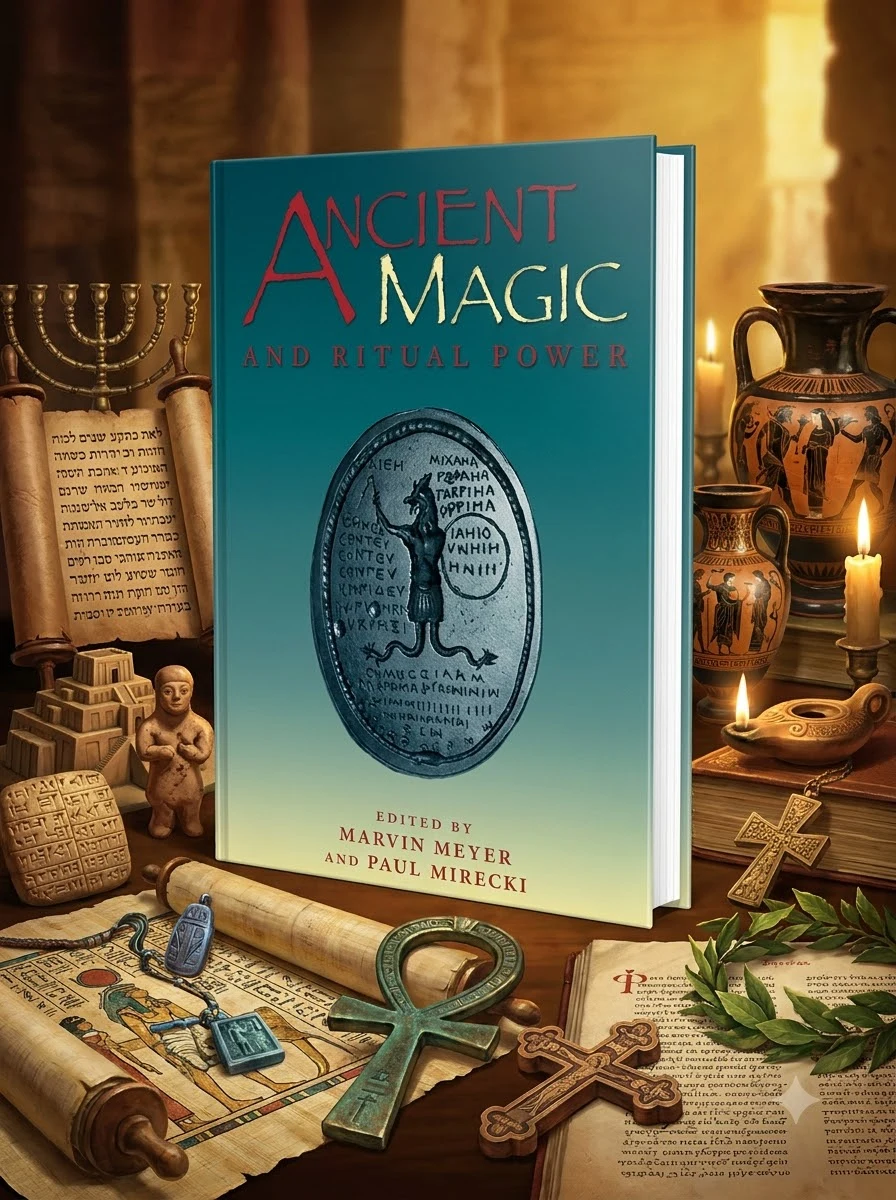
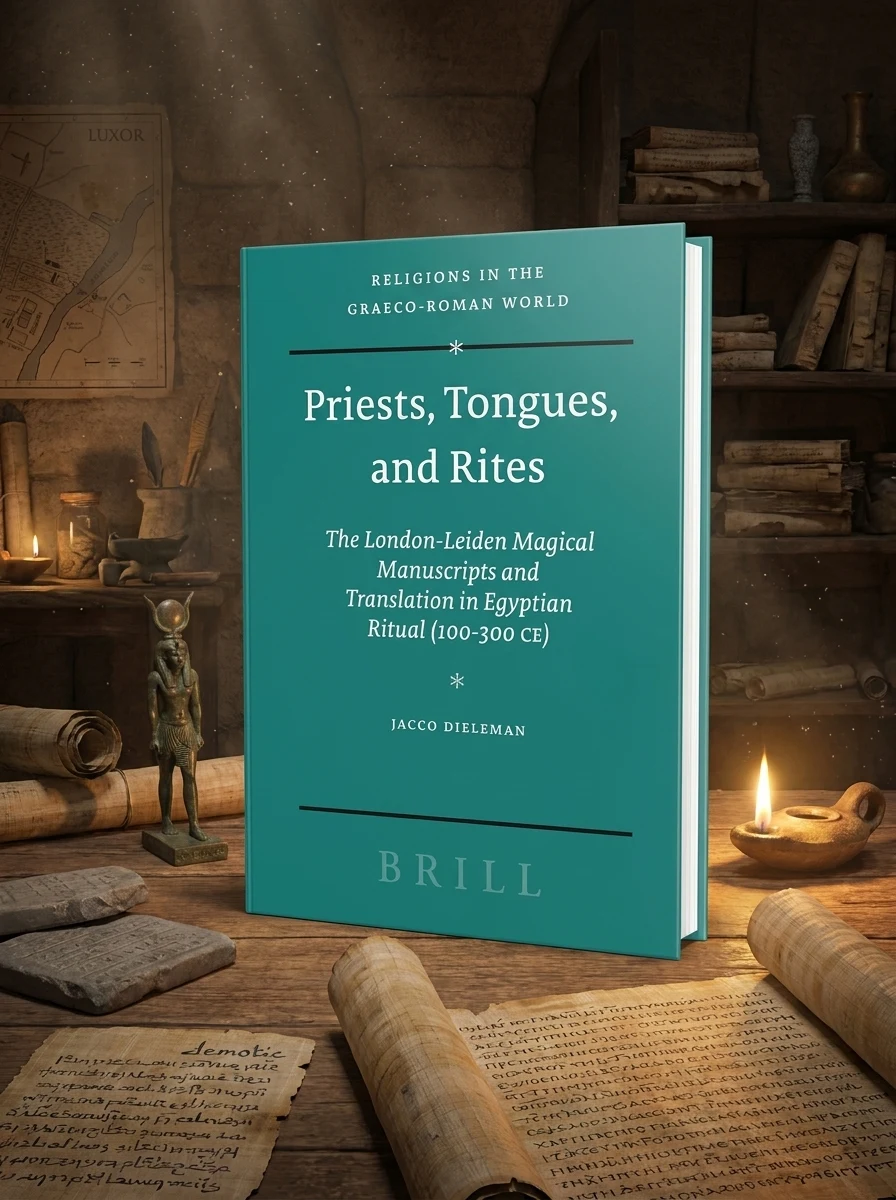
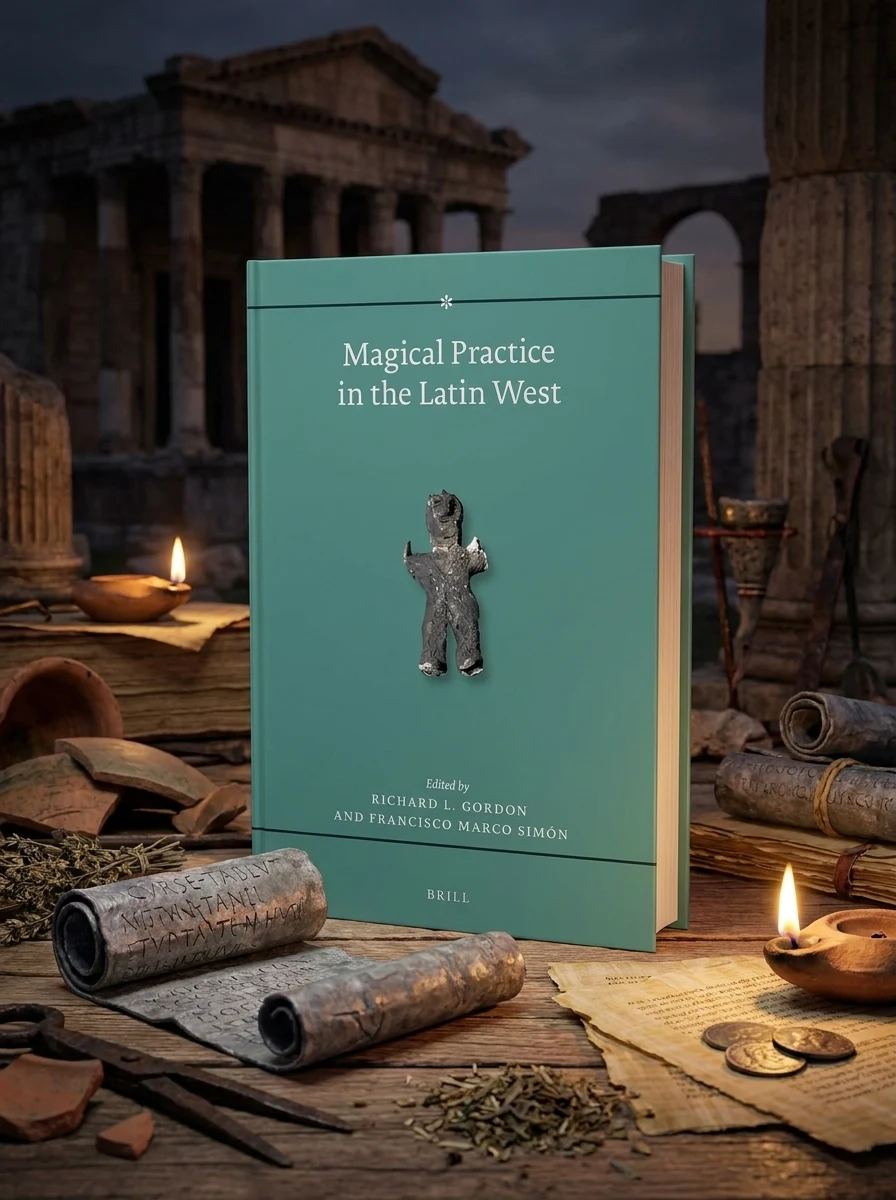
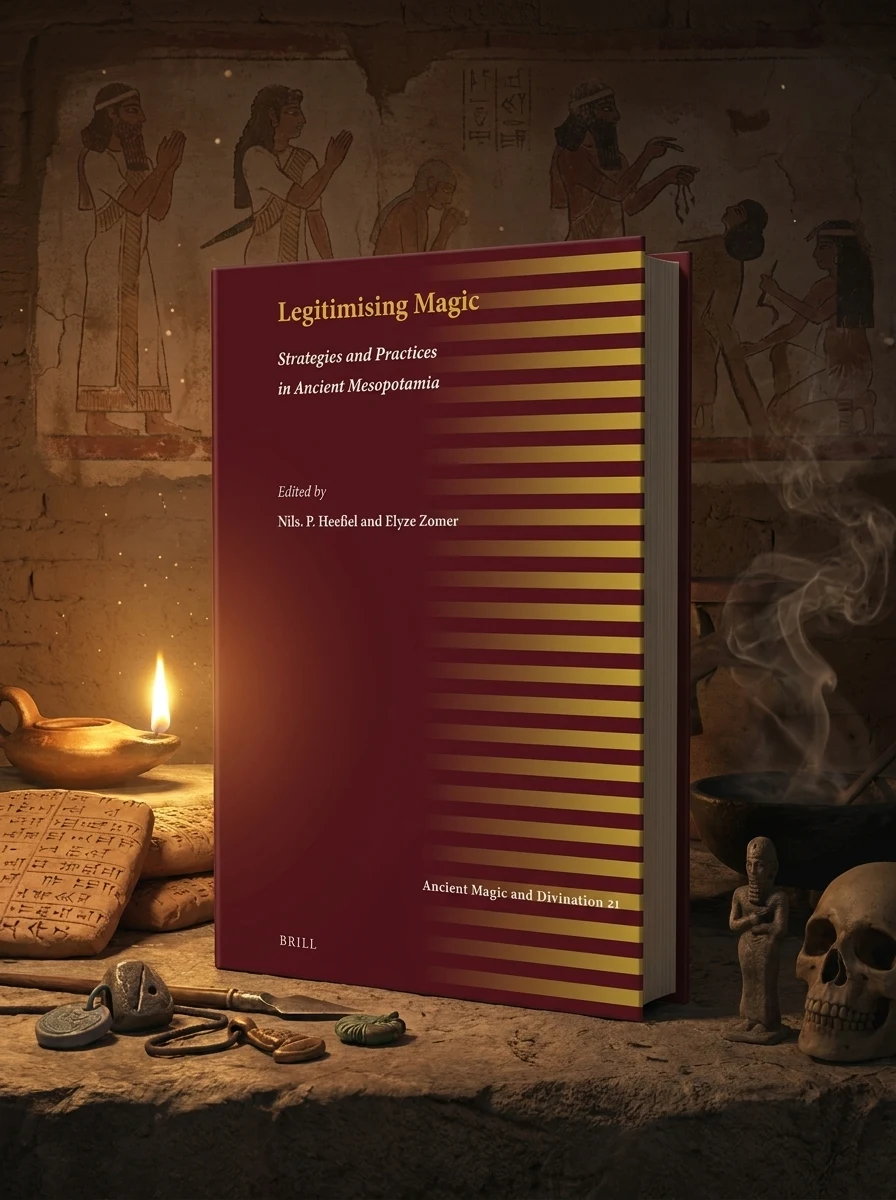
 91
91