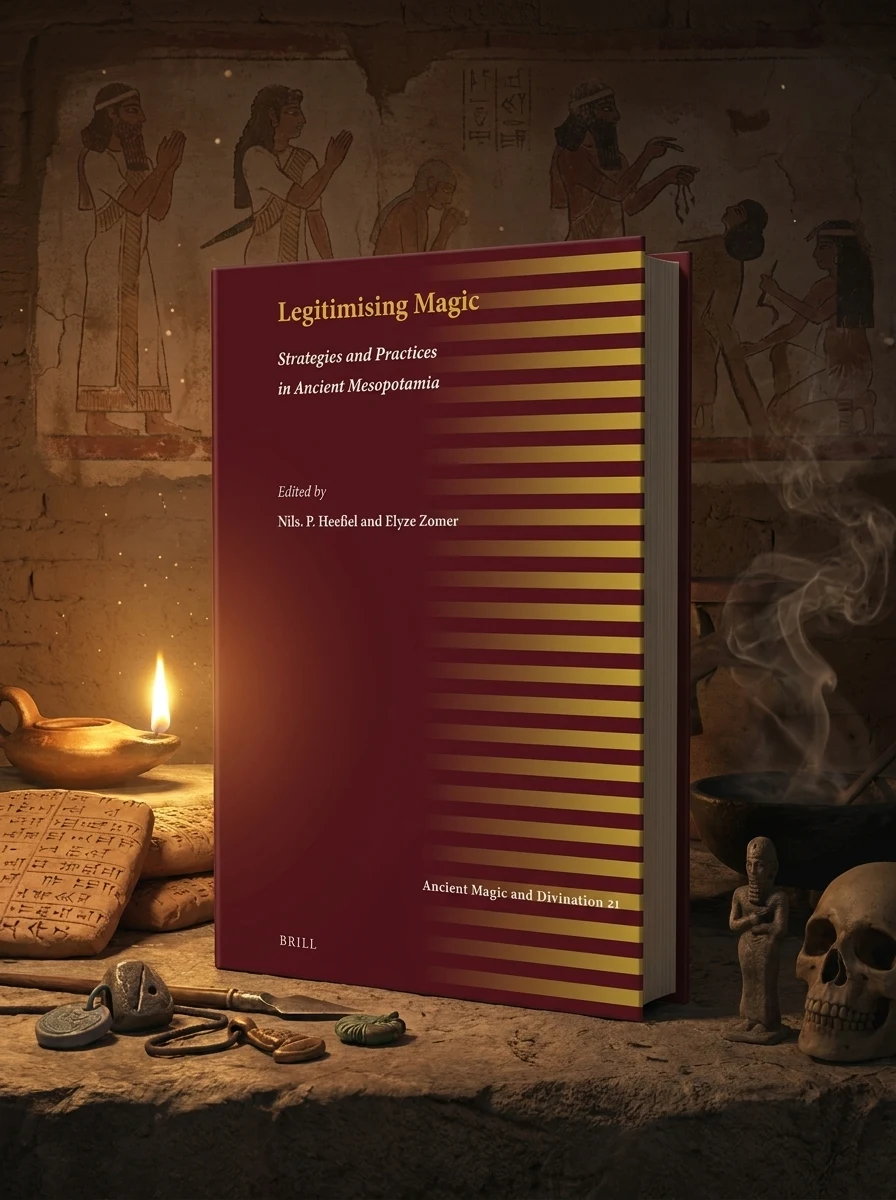
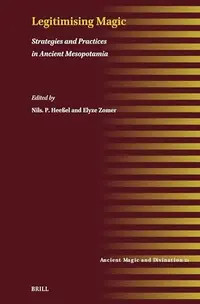
Legitimising Magic: Strategies and Practices in Ancient Mesopotamia - Ingram Academic Zomer, Elyze
 79
79
 Editorial score
How we rate
Editorial score
How we rate
Stock reported in the catalog; fulfillment is confirmed with your request.
Unravel the ancient struggle to justify magic's potent, sacred, and often feared power.
Delve into the intricate world of ancient Mesopotamian magic, exploring the profound ethical and spiritual dilemmas faced by its practitioners. This insightful study examines the sophisticated strategies employed to legitimize magical acts, recognizing their deep connection to the divine while grappling with their inherent capacity for both benevolent healing and malevolent harm. Discover how a society deeply steeped in spiritual belief navigated the ambivalence of power, shaping the very definition of legitimate intervention in the natural and human spheres.
This academic work situates itself within the rigorous study of Ancient Mesopotamian history and religious practice, specifically addressing the complex interplay between state-sanctioned religion and folk magical traditions. It explores how these ancient societies navigated the spiritual landscape where divine authority and magical intervention were deeply intertwined.


📝 Description: Legitimising Magic: Strategies and Practices in Ancient Mesopotamia - Ingram Academic Zomer, Elyze
💎 Expert review
📖 Why choose it
Why this book is worth reading
Scholars and serious enthusiasts of esoteric history will find profound value in this text for its detailed examination of how ancient Mesopotamian practitioners justified their powerful interventions. It offers a rare glimpse into the ethical and spiritual dilemmas faced by those who walked the line between healing and harm, providing essential context for understanding the origins of magical legitimization. By exploring the sophisticated strategies used to align magic with the divine, readers gain a deeper appreciation for the ambivalence of power in ancient belief systems. This book is ideal for those seeking to move beyond superficial folklore and engage with the serious intellectual frameworks that governed supernatural practice in one of humanity's earliest civilizations.
⭐ Reader reviews
Reader rating
While intellectually stimulating for historians of religion, this volume is decidedly not suited for casual readers seeking practical spellbooks or introductory guides to ceremonial magic. The dense academic prose and specific focus on Mesopotamian bureaucratic and theological strategies may alienate those looking for accessible, narrative-driven histories of witchcraft. It requires patience and a strong interest in ancient Near Eastern studies rather than general occultism. Readers expecting actionable advice or mythological storytelling will likely find the text dry and overly specialized. However, for those willing to engage with its scholarly rigor, it provides an indispensable look at the institutional pressures shaping magical practice.
❓ Frequently asked questions
📖 Who should read this
For scholars of ancient history, religious studies, and anyone fascinated by the ethical dimensions of spiritual power. If you seek to understand how societies rationalize the sacred and the potent, this rigorous academic inquiry offers invaluable perspectives.
🎯 Key themes and symbolism
Justifying Magical Practice
This book meticulously details the methods ancient Mesopotamian societies used to rationalize the application of magic. It explores how practitioners, aware of magic's immense influence over both the material world and human destiny, developed intricate frameworks to ensure its use was deemed acceptable within their spiritual and ethical paradigms, often linking it to divine mandate.
The Dual Nature of Power
Explore the inherent ambiguity of magic, which could be wielded for either constructive or destructive ends. The text sheds light on how Mesopotamian thinkers grappled with this duality, recognizing that the same forces capable of healing and blessing could also inflict curses and misfortune, necessitating constant ethical consideration and justification for its deployment.
Magic's Sacred Connection
Understand the inseparable link between magic and the divine in ancient Mesopotamia. The book illustrates how magical acts were not seen as separate from religious practice but deeply embedded within it, often requiring divine sanction or invocation. This connection elevated magic beyond mere superstition, positioning it as a powerful means of interacting with the gods and cosmic order.
💬 Quotes from the book
“The constant negotiation between divine will and human petition through magical means reveals a highly sophisticated, if often anxious, theological landscape.”
“For the Mesopotamian, magic was not an escape from religious duty, but an extension of it, requiring careful adherence to prescribed rituals and ethical considerations.”
📜 Historical context
📚 Glossary
- Mesopotamia
- Ambivalence
- Legitimising
📔 Questions to reflect on
- How do contemporary societies, secular or religious, attempt to legitimize or delegitimize forms of power that operate outside conventional norms?
- Reflect on the 'ambivalence' of any powerful tool or concept in your own life. How do intent and context shape its perceived morality?
- Consider how the perceived 'divine connection' of an act can shift its ethical standing. Where do you see this principle at play in history or modern culture?
🏛 Books from this publisher Brill
All books from this publisher →
You might also like
See more →
 91
91