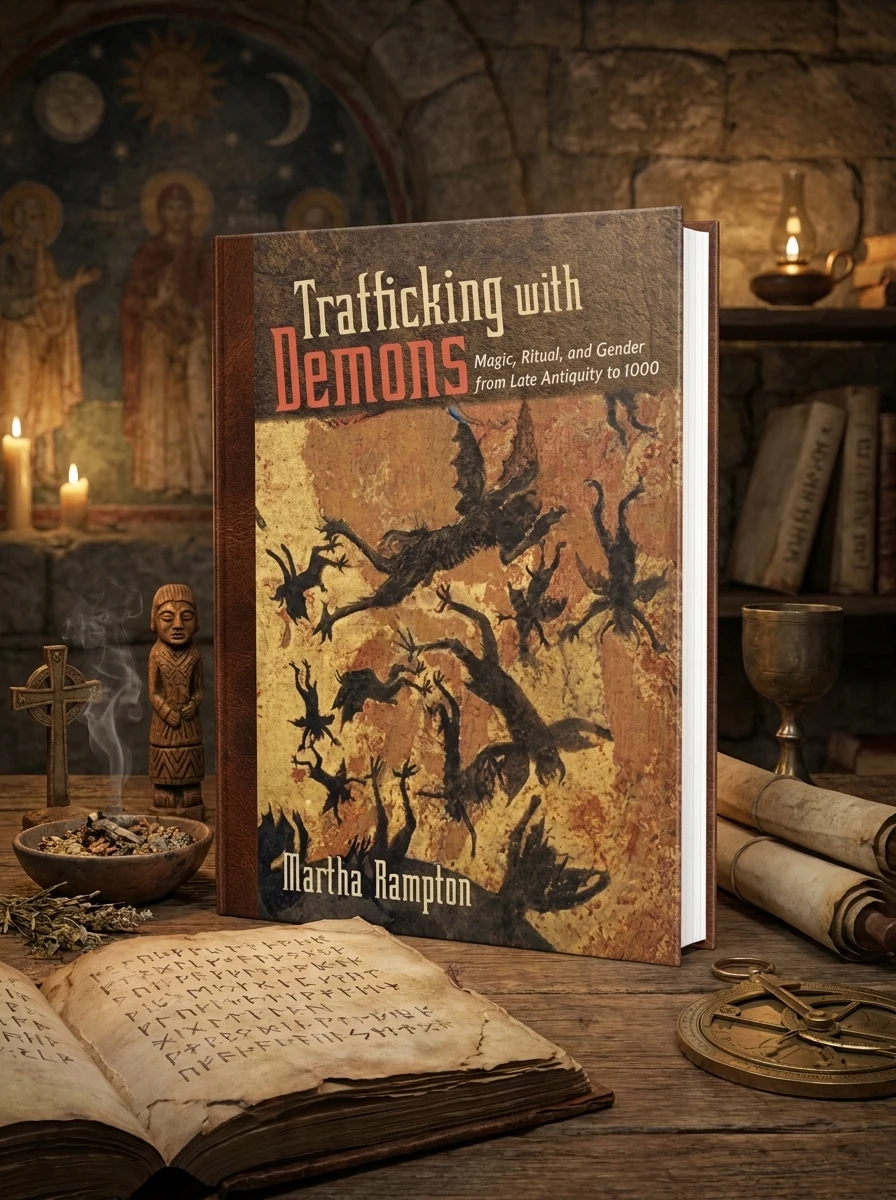
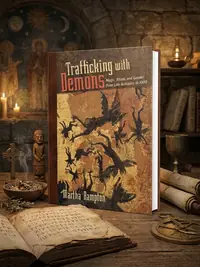
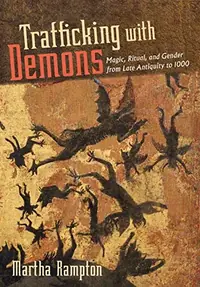
Trafficking with Demons: Magic, Ritual, and Gender from Late Antiquity to 1000
Rampton, Martha 87
87
 Editorial score
How we rate
Editorial score
How we rate
Stock reported in the catalog; fulfillment is confirmed with your request.
Unearth the hidden history of magic, gender, and spiritual encounters in early Europe.
Martha Rampton's "Trafficking with Demons" offers a compelling journey into the understanding and practice of magic across Western Europe from Late Antiquity through the first millennium. She meticulously examines how perceptions of the arcane intertwine with religious doctrine and societal gender roles. Rampton upends conventional notions regarding women's involvement in ritual magic, revealing a profound integration of magical thought into the foundational worldview of early European Christian society. This work illuminates how the cosmos, divine power, and Christian beliefs were deeply shaped by an accepted, rational interaction with what were then termed "demons of the lower air."
This scholarly work situates itself within the study of early European Christian society, specifically examining the period from Late Antiquity through the first millennium CE. It bridges the gap between religious history and esoteric practice by analyzing how magical thought was integrated into the foundational worldview of the time.


📝 Description: Trafficking with Demons: Magic, Ritual, and Gender from Late Antiquity to 1000
💎 Expert review
📖 Why choose it
Why this book is worth reading
Scholars and enthusiasts of early medieval history will find this text invaluable for its rigorous dismantling of conventional assumptions regarding gender and magic. Martha Rampton provides a nuanced look at how spiritual encounters were not merely fringe activities but central to the rational interaction with the cosmos. Readers interested in the complex interplay between religious doctrine, societal roles, and arcane practices will gain a profound understanding of how 'demons of the lower air' were perceived as part of an accepted, structured worldview. This book is essential for anyone seeking to move beyond modern biases and grasp the authentic spiritual landscape of early Europe.
⭐ Reader reviews
Reader rating
Rampton delivers a meticulous examination that upends traditional narratives about women's roles in ritual magic. While intellectually stimulating for those interested in the intersection of theology and esotericism, this academic volume may not suit casual readers seeking accessible folklore or practical grimoire instructions. The dense analysis of religious doctrine might feel dry to those expecting narrative flair or sensationalist accounts of demonic pacts. It is strictly for those prepared to engage with scholarly argumentation regarding the historical integration of magical thought into early Christian society, rather than entertainment.
❓ Frequently asked questions
📖 Who should read this
If you're fascinated by the hidden undercurrents of European history, the intersection of early Christian belief with ancient magical practices, or the often-misunderstood role of women in spiritual traditions, this meticulous scholarly work will profoundly deepen your understanding and challenge your preconceptions.
🎯 Key themes and symbolism
Magic and Cosmic Order
Rampton illustrates how, for the first thousand years of the Christian era, magic was not dismissed as mere superstition but considered a natural component of the universe's operation. It was understood within a rational, hierarchical cosmic structure, where interactions with spiritual entities, often called "demons," were commonplace, integral to understanding the world.
Gendered Ritual Practices
This volume critically re-evaluates the historical role of women in early European ritual magic. Rampton challenges long-held assumptions, presenting a nuanced perspective on how gender shaped the practice, perception, and prohibition of magical arts, integrating these dynamics into the broader social and religious fabric of the period, offering new insights.
Faith and Forbidden Arts
The book meticulously traces the intense spiritual rivalry between ancient pagan magical traditions and the burgeoning Christian faith, particularly from the 1st century CE onwards. It explores how these competing spiritual frameworks influenced each other, shaping doctrines and beliefs concerning the supernatural throughout the early Middle Ages, often blurring lines.
💬 Quotes from the book
“Magic was not an external anomaly, but an intrinsic, rational component of the universe's mechanics throughout the first Christian millennium.”
“By re-examining the historical record, we uncover a more complex and active participation of women in ritualistic practices than previously acknowledged.”
📜 Historical context
📚 Glossary
- Late Antiquity
- Great Chain of Being
- Demons of the Lower Air
📔 Questions to reflect on
- How might our modern understanding of "magic" be altered by viewing it through the lens of early European cosmology, where it was considered a rational force?
- Considering Rampton's re-evaluation of women's roles, what biases might still exist in historical accounts of spiritual or occult practices, and how can we challenge them?
- In what ways did the competition between pagan traditions and early Christianity shape not just religious doctrine, but also the very structure of societal understanding of the supernatural?
✍️ More books by this author Rampton, Martha
All books by this author →
🏛 Books from this publisher Cornell University Press
All books from this publisher → 90
90
 84
84
 75
75
You might also like
See more →
 91
91
 91
91