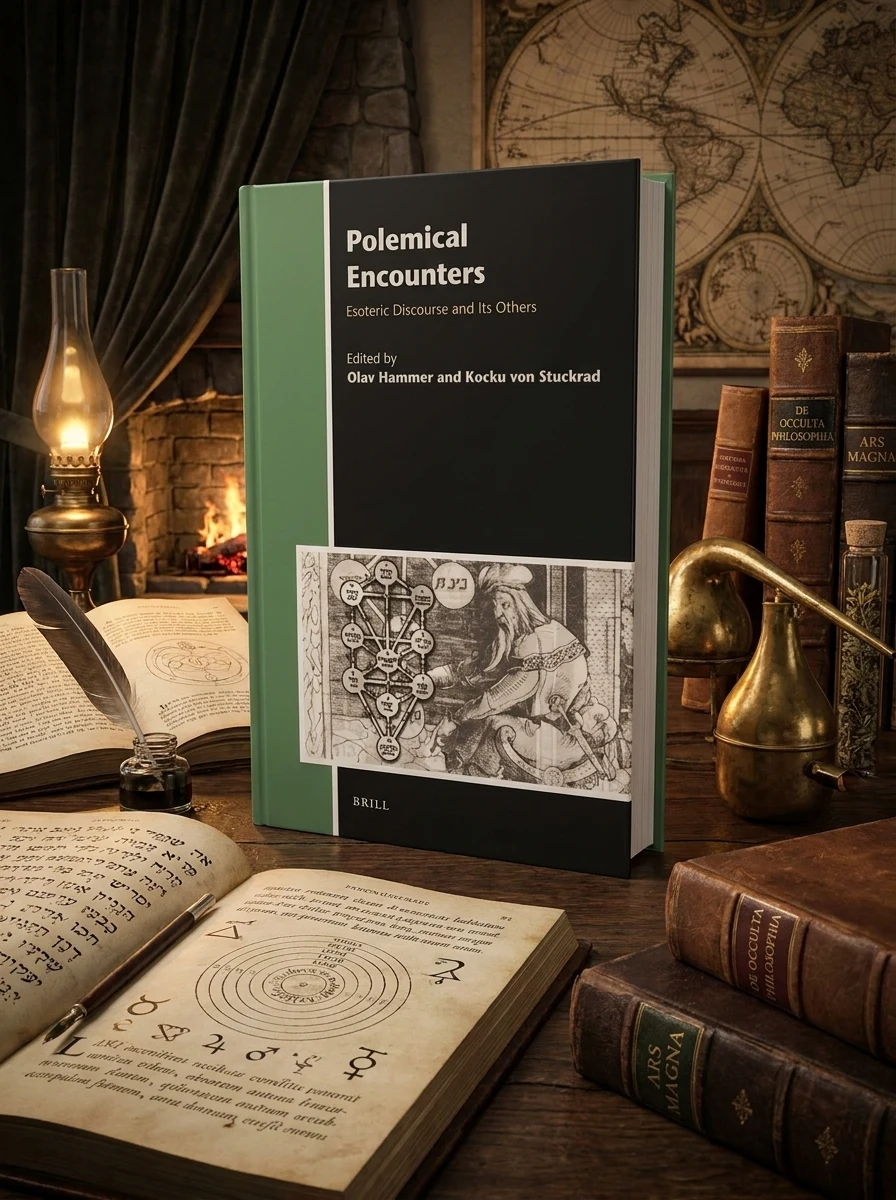
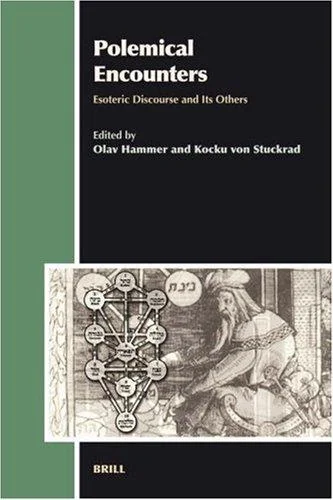
Polemical Encounters: Esoteric Discourse and Its Others - Ingram Academic Hammer, Olav
✍️ Hammer, Olav; , Von Stuckrad, KockuThis compelling collection explores how Western esotericism, from antiquity through modern times, has been fundamentally shaped by its interactions with external critics and internal disputes. The authors meticulously trace historical instances where esoteric currents were challenged, defended, and ultimately defined by these "polemical encounters." Each chapter offers a unique case study, revealing how the very identity of esoteric traditions, from Kabbalah to contemporary movements, was forged in the fires of intellectual and spiritual conflict. It's a fresh look at the contentious yet crucial dynamics that have always surrounded the esoteric.


📝 Description: Polemical Encounters: Esoteric Discourse and Its Others - Ingram Academic Hammer, Olav
💎 Expert review
📖 Why choose it
Why this book is worth reading
Scholars and advanced students of religious studies will find immense value in this meticulous exploration of how Western esotericism was forged through contention. By examining the defining dialogues between esoteric currents and their critics, from Kabbalah to modern movements, readers gain a nuanced understanding of identity formation within these traditions. It is essential for those interested in the mechanics of intellectual history who wish to see how external challenges and internal disputes actively shaped the boundaries and definitions of esoteric thought. The work offers a fresh perspective on the contentious dynamics that are often overlooked in more celebratory histories, providing a critical lens for understanding the resilience and evolution of these spiritual lineages.
⭐ Reader reviews
Reader rating
Hammer and Von Stuckrad deliver a rigorous academic analysis that demands patience and prior knowledge of esoteric history. While it successfully illuminates the polemical forces shaping Western traditions, it is not suitable for casual readers seeking accessible introductions or practical magical instruction. The dense case studies may alienate those preferring narrative-driven histories over structural analysis. However, for specialists in occult philosophy and intellectual historians, it provides an indispensable look at the friction that defines these movements. It is a necessary but demanding text for serious inquiry.
❓ Frequently asked questions
📖 Who should read this
If you're fascinated by the contentious history of occult traditions, or seek to understand how esoteric thought has been both challenged and defined through dialogue, this scholarly collection offers profound insights. It's essential for students and researchers of mysticism, religion, and intellectual history.
🎯 Key themes and symbolism
Defining Through Opposition
This volume meticulously unpacks how persistent debates and challenges from external perspectives, as well as internal disagreements, have fundamentally sculpted the identity and narrative of various esoteric currents. It argues that these confrontations aren't just historical footnotes but are central to understanding esotericism's evolution and self-perception throughout history.
Crafting Esoteric Identity
The contributors explore how esoteric groups, from Kabbalists to modern movements, have forged their distinct identities often in direct response to mainstream or opposing viewpoints. This process of "Othering" is shown to be a dynamic force, clarifying what esotericism is by highlighting what it is not, or by defending what it claims to be, thereby solidifying its unique position.
Spanning Historical Controversies
From the intricate disputes surrounding Jewish and Christian Kabbalah to theological arguments in early modernity and the struggle for legitimacy in contemporary culture, the book presents a rich collection of historical examples. These diverse cases illustrate the recurring patterns of polemical engagement across centuries of esoteric thought, offering a broad historical sweep.
📜 Historical context
📚 Glossary
- Polemics
- Western Esotericism
- Othering
📔 Questions to reflect on
- How do contemporary esoteric movements still engage in "Othering," and what impact does this have on their public perception and internal cohesion?
- Can an esoteric tradition truly flourish without confronting external critiques or internal disputes? Why or why not, based on the historical examples presented?
- Reflect on a historical period discussed in the book: how did the polemical encounters of that era ultimately redefine the boundaries of acceptable spiritual thought for both esotericists and their critics?