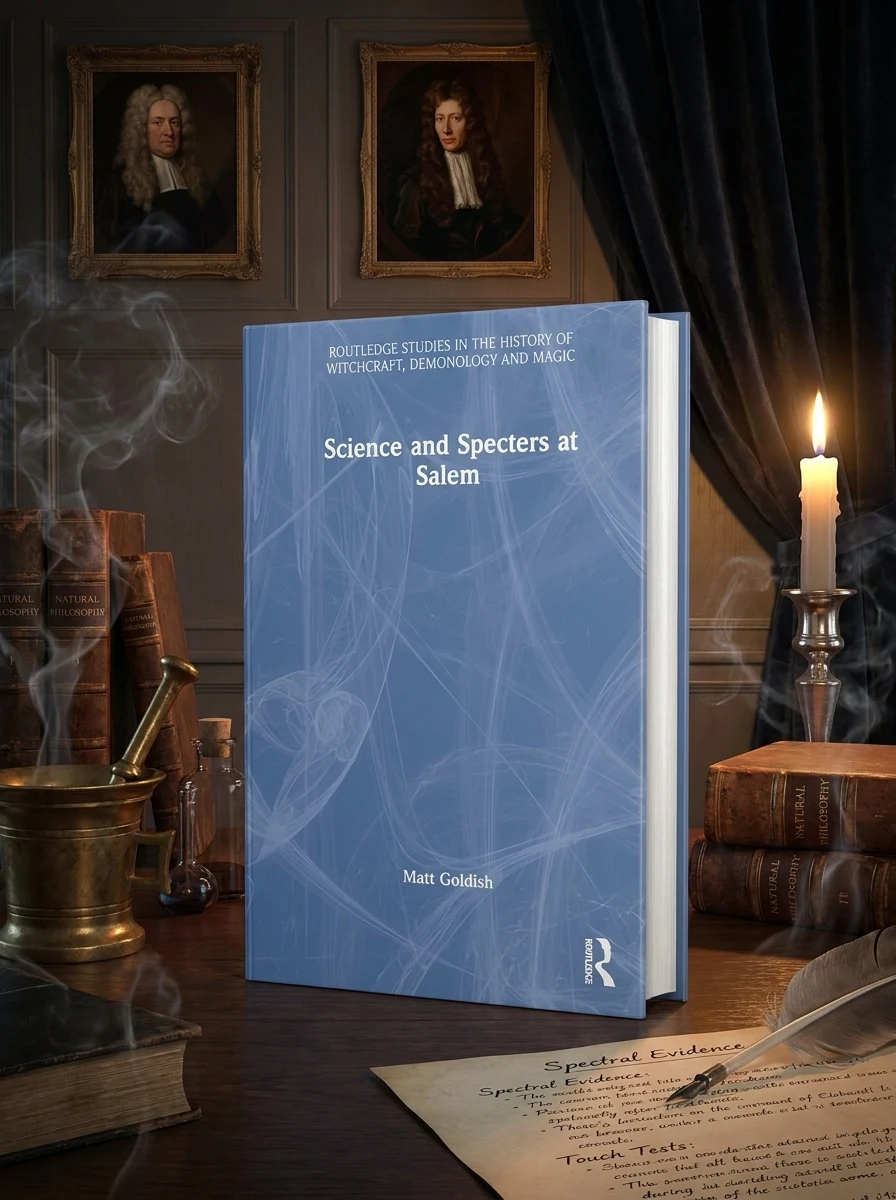
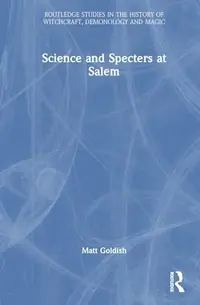
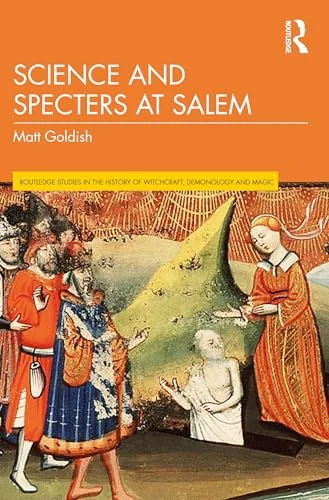
Science and Specters at Salem Goldish, Matt
Goldish, Matt 83
83
 Editorial score
How we rate
Editorial score
How we rate
Stock reported in the catalog; fulfillment is confirmed with your request.
Unravel how learned minds tragically ignited the infamous Salem witch trials.
Matt Goldish’s groundbreaking work shifts the focus from the social dynamics of the Salem witch trials to the intellectual foundations of its presiding judges. Rather than attributing their decisions to simple prejudice, this book meticulously explores how specific philosophical commitments, particularly those of the 17th-century "anti-Sadducee" movement, informed the judiciary's acceptance of controversial evidence like spectral testimony. Goldish reveals how the rational arguments of influential thinkers, contemporaries of Boyle and Newton, inadvertently provided a framework that led to the execution of twenty accused witches, offering a profound reinterpretation of this dark chapter in history.
This work sits at the intersection of intellectual history and occult studies, examining how 17th-century philosophical movements influenced judicial practices during a pivotal era of religious hysteria. It bridges the gap between academic historical analysis and the esoteric traditions often associated with the Salem events.


📝 Description: Science and Specters at Salem Goldish, Matt
💎 Expert review
📖 Why choose it
Why this book is worth reading
Readers fascinated by the intricate relationship between rational thought and historical tragedy will find immense value in this nuanced exploration. It appeals to those seeking to understand how respected intellectual frameworks, rather than mere prejudice, can lead to catastrophic outcomes. Anyone interested in the philosophical underpinnings of the Salem witch trials, particularly regarding spectral testimony and judicial reasoning, will gain a profound new perspective on this dark chapter. It is essential for scholars and enthusiasts who wish to move beyond social dynamics to grasp the specific intellectual commitments that drove the presiding judges.
⭐ Reader reviews
Reader rating
Goldish offers a rigorous, albeit dense, examination of the philosophical roots of the Salem witch trials, focusing heavily on the anti-Sadducee movement and its impact on judicial evidence. While intellectually robust, this book is not suited for readers seeking a narrative-driven account or those uninterested in deep philosophical analysis. It may frustrate those expecting a focus on social dynamics over intellectual foundations. However, for those willing to engage with complex arguments regarding contemporaries of Boyle and Newton, it provides a compelling, if sobering, reinterpretation of how rationality failed its subjects.
❓ Frequently asked questions
📖 Who should read this
If you've always questioned the underlying logic of the Salem trials, or seek to understand the profound intellectual currents influencing early American justice and esoteric beliefs, this book offers a crucial new perspective. It is essential reading for historians, legal scholars, and anyone deeply interested in the complex interplay of philosophy, law, and human tragedy.
🎯 Key themes and symbolism
Judicial Acceptance of Evidence
Goldish meticulously examines how highly educated judges came to validate contested evidence, such as 'touch tests' and 'spectral evidence.' The work illustrates how their pre-existing intellectual frameworks and commitment to specific philosophical schools provided the rationale for deeming such supernatural claims admissible and ultimately, damning.
The Anti-Sadducee Influence
A central theme is the unexpected role of the "anti-Sadducee" movement, a philosophical school championed by figures like Henry More and Joseph Glanvill. The book explains how their reasoned arguments for the existence of spirits, intended to combat atheism, paradoxically supplied a robust intellectual scaffolding for validating witchcraft accusations in court.
💬 Quotes from the book
“The intellectual underpinnings of the Salem judges, far from being mere superstition, were rooted in sophisticated philosophical debates concerning the very nature of reality and the unseen world.”
“It was the reasoned arguments of men like More and Glanvill, intended to combat skepticism, that paradoxically armed the courts with a framework to validate the most extraordinary claims.”
📜 Historical context
📚 Glossary
- Spectral Evidence
- Anti-Sadducees
- Touch Tests
📔 Questions to reflect on
- Consider how deeply held philosophical or spiritual beliefs, even those intended for good, might inadvertently lead to detrimental outcomes when applied to legal or social systems.
- Reflect on the historical tension between scientific inquiry and the acceptance of supernatural phenomena. Where do you see echoes of this tension today?
- How might modern legal systems guard against the influence of unverified, yet widely accepted, ideological or pseudoscientific 'evidence'?
📖 From the series “Routledge Studies in the History of Witchcraft, Demonology and Magic”
All books in the series →
✍️ More books by this author Goldish, Matt
All books by this author →🏛 Books from this publisher Routledge
All books from this publisher →
 89
89

You might also like
See more →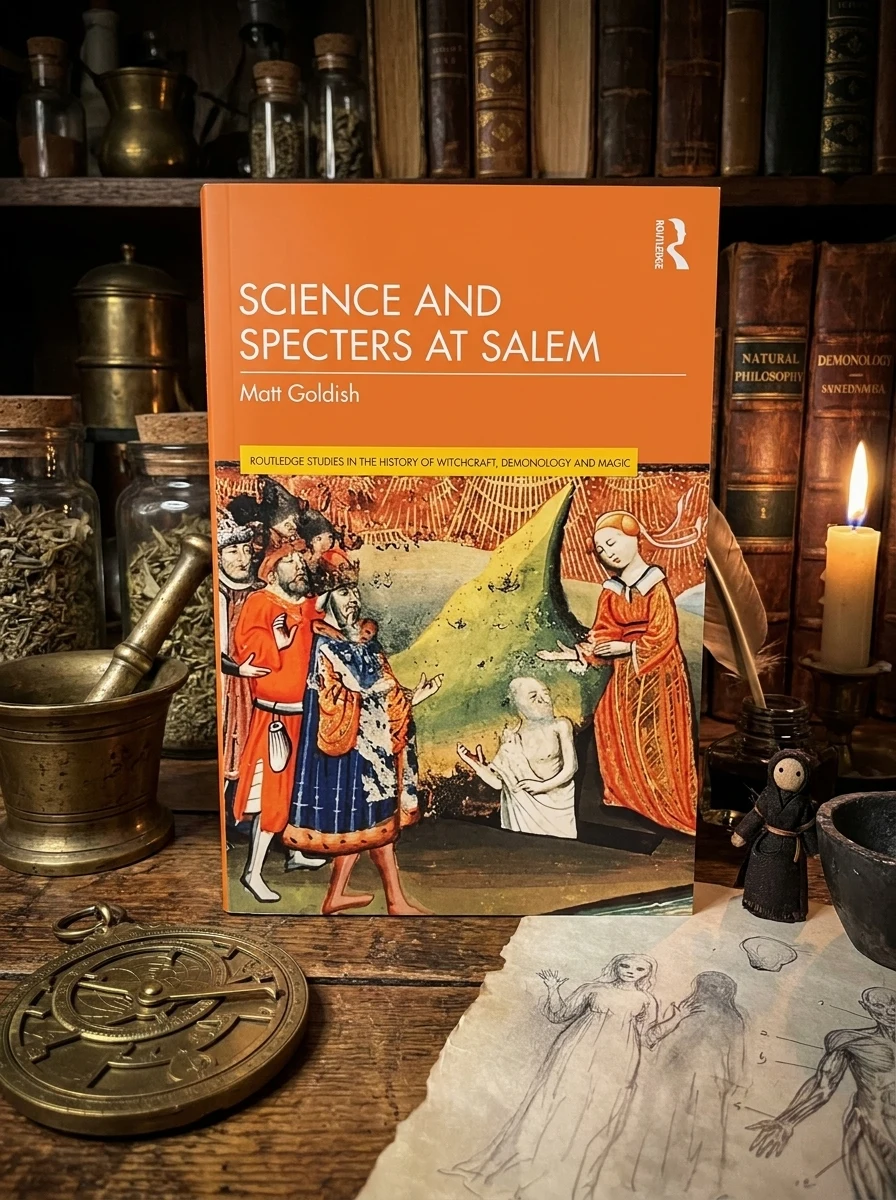
 91
91
 91
91
 88
88