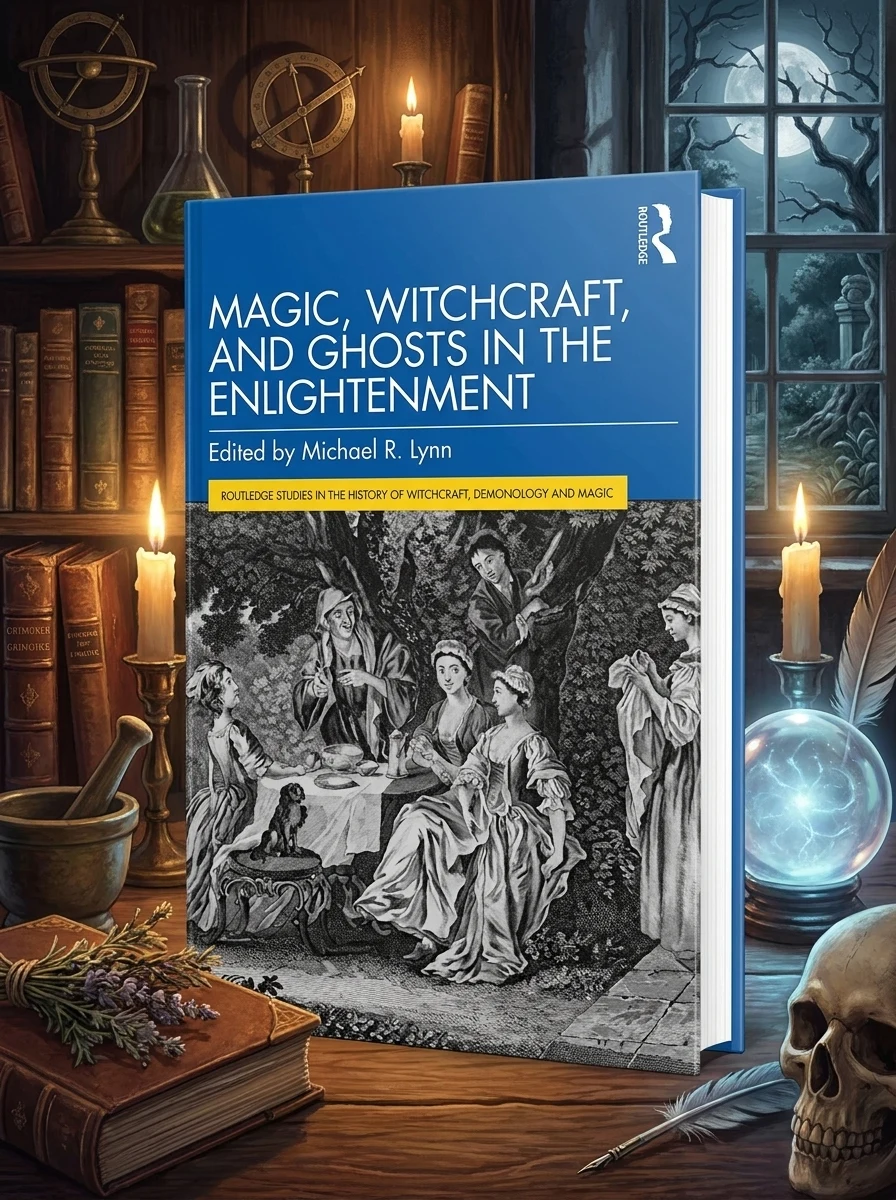
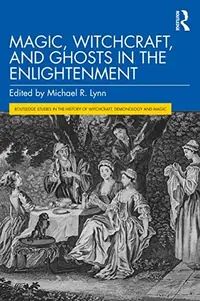
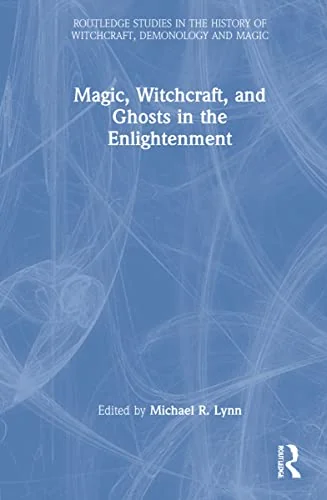
Magic, Witchcraft, and Ghosts in the Enlightenment Lynn, Michael R
Lynn, Michael RStock reported in the catalog; fulfillment is confirmed with your request.
Uncover the enduring power of magic and the supernatural amidst the Enlightenment's rational glow.
This compelling volume challenges the widespread notion that the Enlightenment was solely an era of pure scientific reason. Instead, it meticulously demonstrates how beliefs in magic, witchcraft, and ghosts persisted, evolved, and significantly influenced society throughout the 17th and 18th centuries. Readers will discover a nuanced historical account revealing a far more complex intellectual landscape, where the arcane often intertwined with burgeoning scientific and philosophical thought, proving the Age of Reason was not immune to the pull of the mysterious.
This work sits at the intersection of intellectual history and esoteric studies, challenging the traditional narrative of the Enlightenment as a purely rational epoch. It belongs to the scholarly tradition of re-evaluating the persistence of supernatural beliefs during periods of scientific advancement.


📝 Description: Magic, Witchcraft, and Ghosts in the Enlightenment Lynn, Michael R
💎 Expert review
📖 Why choose it
Why this book is worth reading
Readers fascinated by the complex interplay between reason and mysticism will find this volume deeply rewarding. It offers a nuanced historical account for those who suspect the Age of Reason was not immune to the pull of the mysterious. By revealing how arcane beliefs intertwined with burgeoning scientific thought, it provides essential context for understanding the full spectrum of 17th and 18th-century society. This book is ideal for scholars and enthusiasts alike who wish to move beyond simple binaries of science versus superstition, uncovering the enduring power of magic amidst rationality.
⭐ Reader reviews
Reader rating
Michael R. Lynn delivers a compelling challenge to the notion of pure scientific reason in the Enlightenment. The meticulous demonstration of persistent beliefs in witchcraft and ghosts is intellectually stimulating and well-argued. However, it does not suit readers seeking straightforward narratives of scientific progress or those who prefer modern occult practices over historical analysis. It may also disappoint those expecting definitive proof of magic's efficacy rather than its cultural influence. This is a rigorous academic work that requires patience but offers significant insights into the era's complex intellectual landscape.
❓ Frequently asked questions
📖 Who should read this
If you're fascinated by the hidden histories of the supernatural or seek a deeper, more nuanced understanding of the Enlightenment beyond its conventional portrayals, this book is for you. It's perfect for those who question established narratives and delight in discovering the unexpected.
🎯 Key themes and symbolism
Enduring Esoteric Practices
Contrary to popular belief, this work reveals how magical traditions, from geomancy to folk charms, did not simply vanish with the rise of rational thought. It meticulously details their continued presence, influence, and adaptation within various social strata, demonstrating a vibrant undercurrent of the arcane throughout the period.
Reimagining Rationality
The book deconstructs the conventional narrative of the Enlightenment as solely a period of strict reason, exposing a more intricate intellectual landscape where scientific inquiry often coexisted with, and sometimes even investigated, the supernatural. It argues for a less monolithic understanding of this pivotal historical epoch.
Supernatural Social Threads
Explore how deeply ingrained beliefs in witchcraft, ghosts, and various forms of magic continued to shape daily life, legal systems, and cultural expressions. This study illustrates the profound social and psychological impact these phenomena had on individuals and communities across Europe during an era often mischaracterized as entirely secular.
💬 Quotes from the book
“The torch of reason did not extinguish the flickering candles of arcane belief; rather, it often illuminated their persistent shadows in unexpected corners of the age.”
“Far from being a monolithic age of pure rationality, the long eighteenth century harbored a vibrant, often contradictory, landscape where scientific inquiry frequently brushed against the mysteries of the unseen.”
📜 Historical context
📚 Glossary
- Enlightenment
- Long Eighteenth-Century
- Supernatural
📔 Questions to reflect on
- How might our modern understanding of 'reason' be similarly intertwined with beliefs or practices we consider irrational?
- In what ways do contemporary societies still grapple with the tension between scientific explanation and supernatural conviction?
- If the Enlightenment wasn't purely rational, what does this tell us about the human need for mystery and the unknown across different historical periods?
📖 From the series “Routledge Studies in the History of Witchcraft, Demonology and Magic”
All books in the series →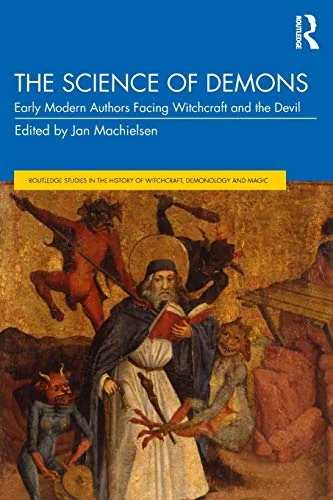
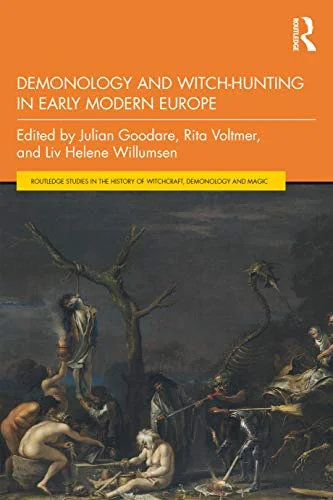
✍️ More books by this author Lynn, Michael R
All books by this author →🏛 Books from this publisher Routledge
All books from this publisher →
 89
89
You might also like
See more →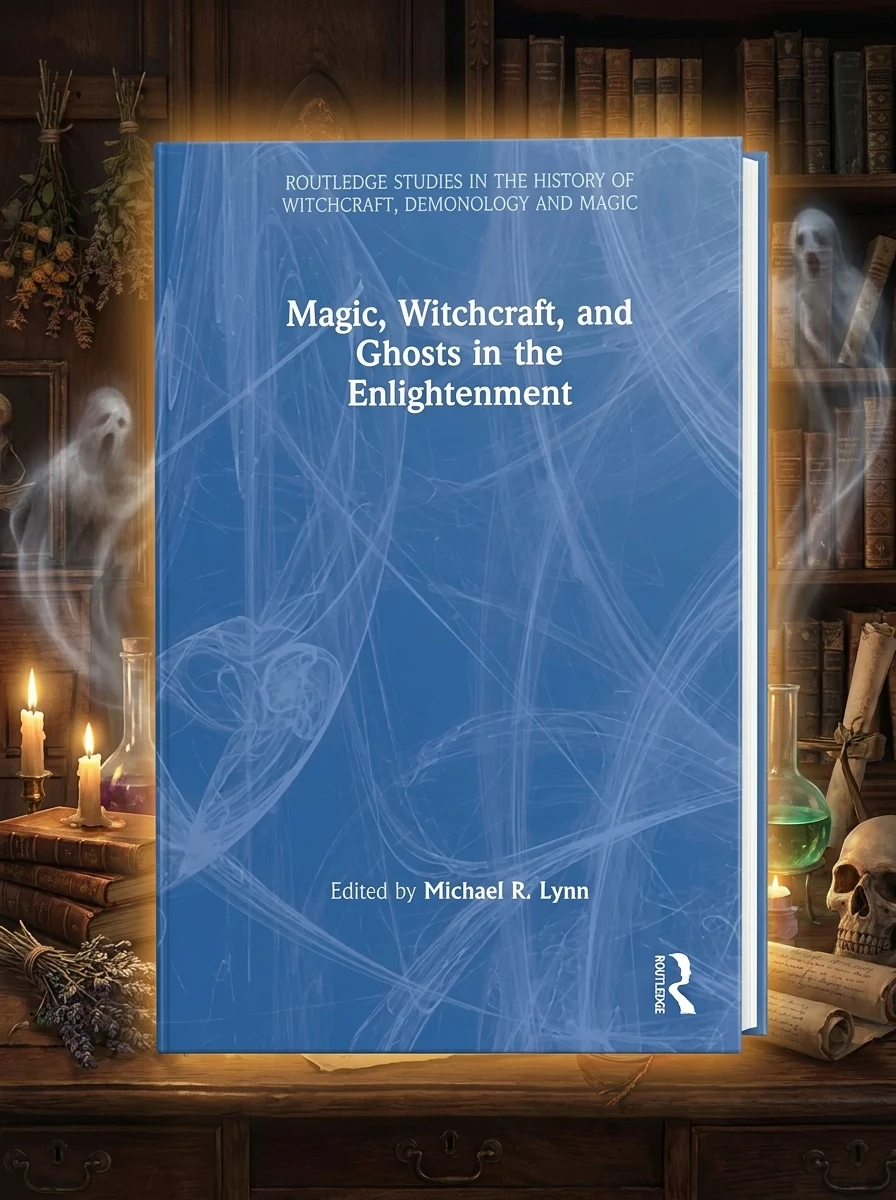
 91
91
 90
90
 90
90
 90
90