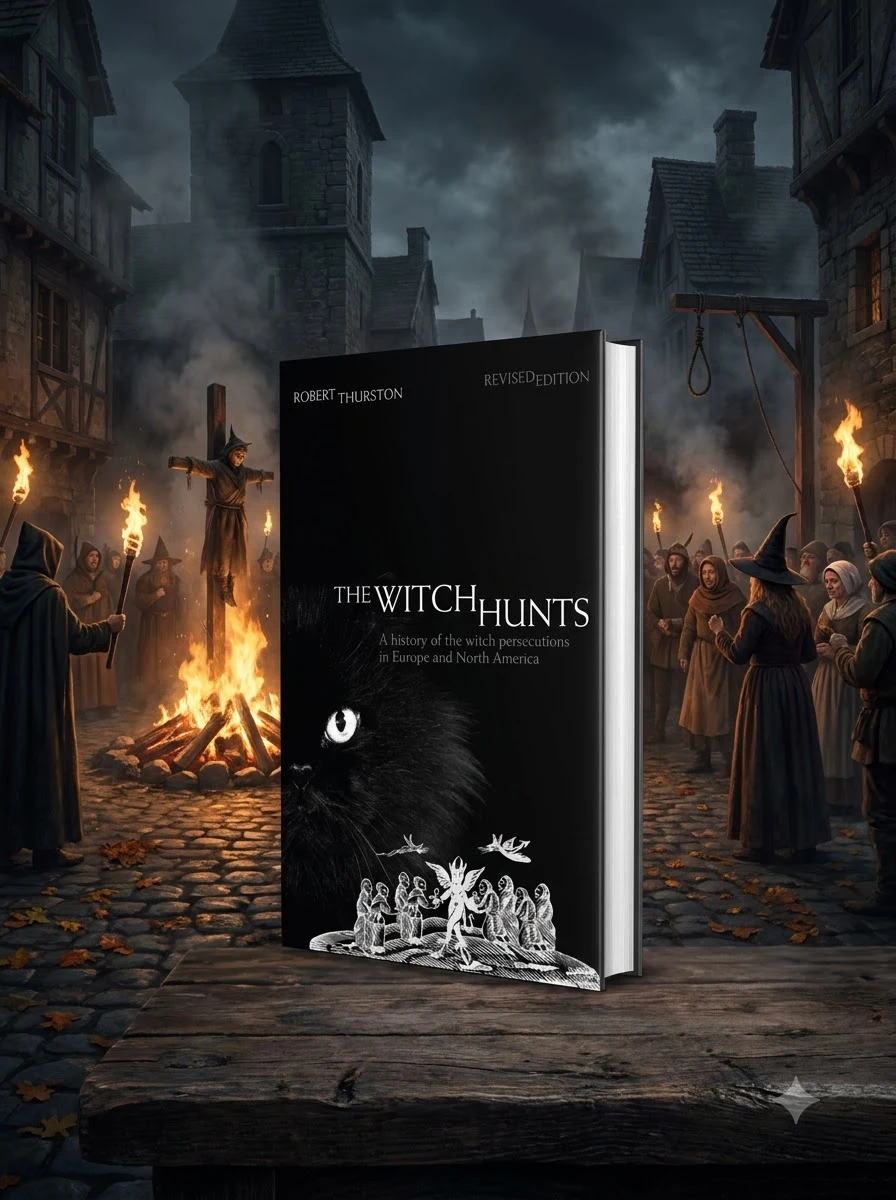
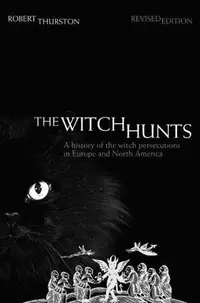
The Witch Hunts: A History of the Witch Persecutions in Europe and North America
Thurston, RobertStock reported in the catalog; fulfillment is confirmed with your request.
Uncover the chilling saga of how fear and persecution forged the witch hunts across centuries.
This compelling historical analysis delves into the brutal phenomenon of witch persecutions that gripped Europe and North America from the 15th to the 18th centuries. Thurston meticulously traces the roots of this terror back to earlier societal anxieties and the formation of a 'persecuting society' targeting various marginalized groups. The book illuminates how the infamous witch stereotype was constructed and details the grim evolution of legal procedures, from initial accusations to inquisitorial methods, highlighting the tragic shift towards coerced confessions and widespread torture.
This work situates itself within the rigorous historiography of early modern European and North American social history, examining the intersection of law, religion, and popular belief. It serves as a critical academic resource for understanding the construction of societal fears and the mechanisms of state-sanctioned violence during the early modern period.


📝 Description: The Witch Hunts: A History of the Witch Persecutions in Europe and North America
💎 Expert review
📖 Why choose it
Why this book is worth reading
Scholars, history enthusiasts, and those interested in the sociology of fear will find immense value in Thurston’s meticulous tracing of how a 'persecuting society' emerged. This book is essential for understanding the grim evolution of legal procedures that shifted from initial accusations to coerced confessions through inquisitorial methods. It offers a profound look at how marginalized groups were targeted and how the infamous witch stereotype was constructed over centuries. Readers seeking to comprehend the brutal phenomenon of witch persecutions across Europe and North America will gain a clearer picture of the societal anxieties that fueled this terror. It is not merely a recounting of events but an analysis of the roots of this tragedy, making it vital for anyone wishing to understand the historical context of persecution and its lasting impact on cultural narratives regarding the occult.
⭐ Reader reviews
Reader rating
Thurston delivers a compelling historical analysis that illuminates the tragic shift towards widespread torture during the witch hunts. While the academic depth is impressive for those studying early modern legal history, casual readers seeking a narrative-driven adventure may find the focus on inquisitorial methods and societal anxieties dry. It does not suit those looking for romanticized accounts of witchcraft or light entertainment. The book is best appreciated by individuals willing to engage with dense historical context regarding the formation of stereotypes and the mechanics of persecution. It is a serious, unflinching examination that prioritizes factual accuracy over dramatic flair, making it an excellent resource for students but potentially overwhelming for general audiences expecting a simpler tale.
❓ Frequently asked questions
📖 Who should read this
If you seek a rigorous, unsettling exploration of historical injustice and the mechanisms of mass hysteria, this book is essential. Delve into the systemic fear that fueled centuries of witch hunts, understanding its profound impact on society. Perfect for history students, sociologists, and those interested in the human cost of belief.
🎯 Key themes and symbolism
Rise of Persecution
Thurston expertly connects the widespread witch hunts to a broader cultural shift. He reveals how a societal inclination towards identifying and punishing 'others'—including heretics, Jewish communities, and lepers—created fertile ground for the later targeting of alleged witches, illustrating a consistent pattern of scapegoating across centuries.
The Witch Stereotype
The book meticulously dissects how the image of the malevolent witch was gradually constructed and solidified in public consciousness. It explores the cultural narratives and theological interpretations that coalesced to define who a witch was believed to be, setting the stage for their identification and subsequent brutal prosecution.
Legal System Transformation
A critical examination is presented on how judicial processes fundamentally changed during this era. Thurston highlights the pivotal transition from relying on accusers to an inquisitorial system, where the pursuit of confessions—often through extreme means—became paramount, tragically fueling the intensity and duration of the persecutions.
💬 Quotes from the book
“The 'persecuting society' did not emerge overnight; it was a gradual accretion of fear, suspicion, and a theological justification for identifying and eliminating perceived threats to societal order.”
“The shift from an accusatory legal framework to an inquisitorial one fundamentally altered the dynamics of justice, making the pursuit of confession, often through torture, the primary objective.”
📜 Historical context
📚 Glossary
- Accusatory System
- Inquisitorial System
- Witch Stereotype
📔 Questions to reflect on
- How do you see the concept of a 'persecuting society' manifesting in contemporary culture or political discourse?
- Reflect on the role of fear and misinformation in shaping public perception and enabling historical atrocities like the witch hunts. What parallels can you draw?
- Consider the ethical implications of a legal system that prioritizes confession over due process. What lessons can be drawn for modern justice systems?
✍️ More books by this author Thurston, Robert
All books by this author →
🏛 Books from this publisher Routledge
All books from this publisher →



 89
89


You might also like
See more →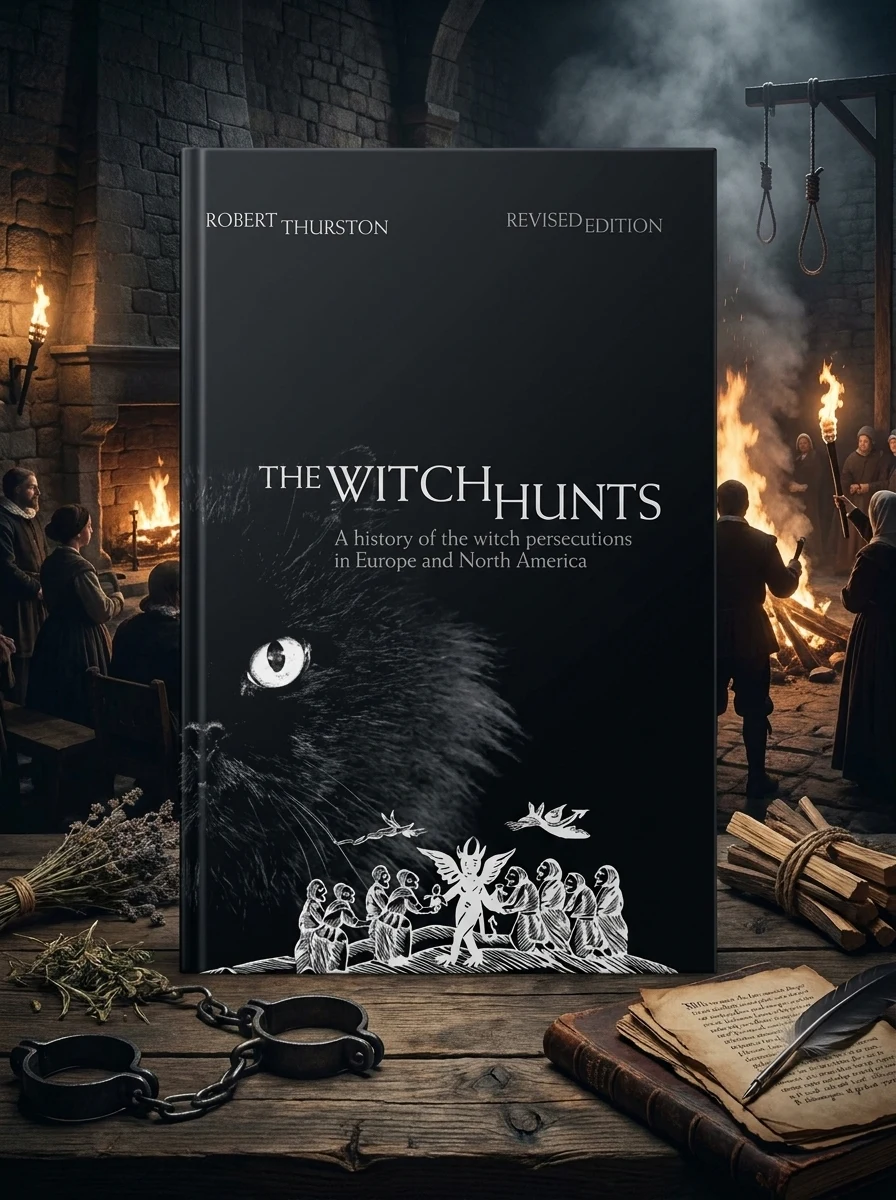

 91
91
 90
90
 90
90

 90
90