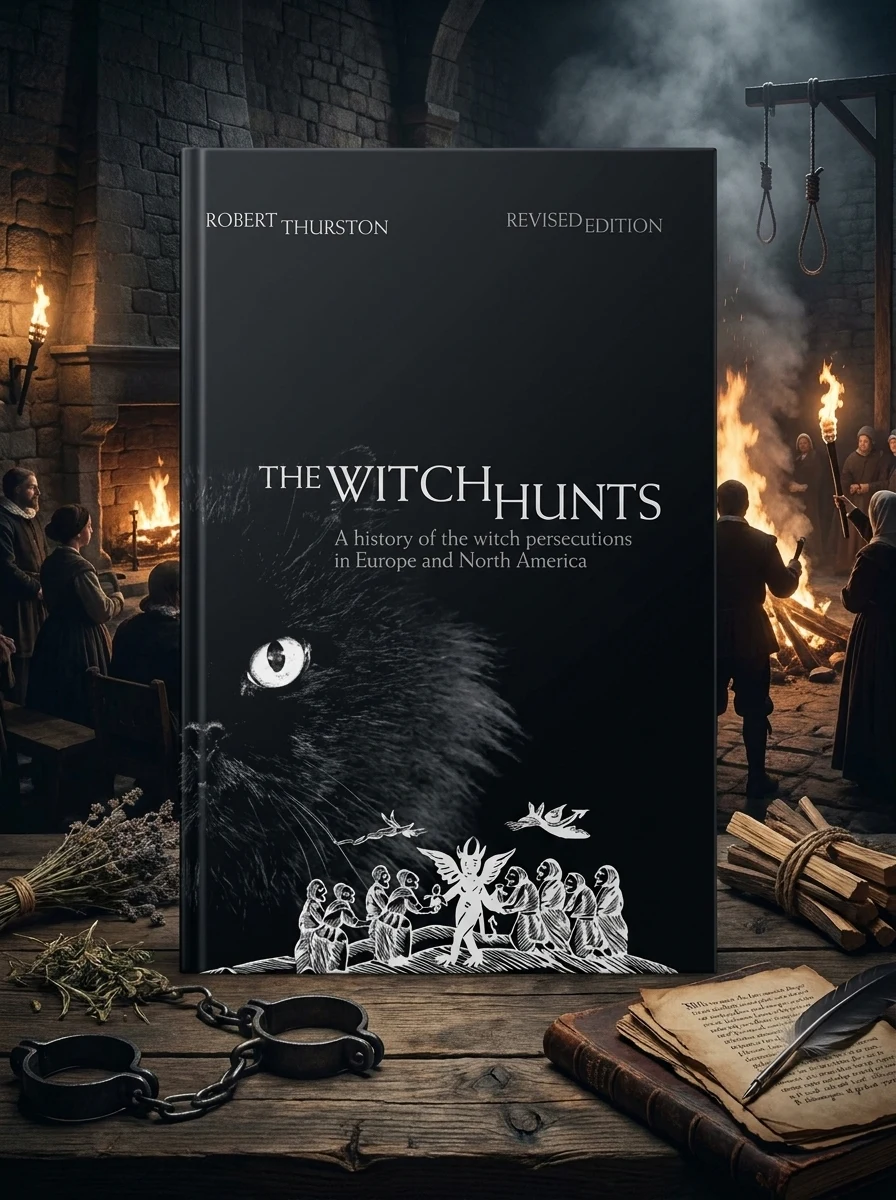
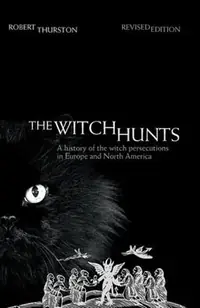
The Witch Hunts: A History of the Witch Persecutions in Europe and North America
Thurston, Robert 87
87
 Editorial score
How we rate
Editorial score
How we rate
This edition can be ordered. No arrival date is confirmed.
Unravel the chilling origins of Europe's darkest centuries of persecution and fear.
Robert Thurston’s seminal work meticulously investigates the profound reasons behind the widespread European and North American witch persecutions between 1400 and 1700. He challenges conventional wisdom while offering fresh insights into why these panics emerged, flourished, and eventually subsided. The book traces the phenomenon's roots back centuries earlier, exploring how the developing concept of a 'persecuting society' — one that systematically targeted groups like heretics, Jews, and lepers — laid the grim groundwork. Thurston reveals the construction of the witch stereotype and details the critical shift from accusatory legal processes to inquisitorial methods, highlighting the increasingly brutal role of torture in securing confessions.
This work sits firmly within the historiography of early modern European and North American religious persecution, examining the societal mechanisms that fueled witch hunts. It contributes to the broader scholarly discourse on how persecuting societies constructed stereotypes and utilized legal systems to target marginalized groups.


📝 Description: The Witch Hunts: A History of the Witch Persecutions in Europe and North America
💎 Expert review
📖 Why choose it
Why this book is worth reading
Scholars and serious enthusiasts of occult history will find immense value in Thurston’s meticulous investigation into the profound reasons behind the widespread witch persecutions. By challenging conventional wisdom, he offers fresh insights into why these panics emerged and subsided, tracing roots back centuries earlier than commonly assumed. Readers seeking to understand the development of the 'persecuting society' and the critical shift from accusatory to inquisitorial legal processes will appreciate his detailed analysis of how torture was used to secure confessions. This book is essential for those who wish to move beyond folklore and grasp the grim, systematic groundwork laid by targeting heretics, Jews, and lepers. It provides a necessary, deep dive into the construction of the witch stereotype, making it indispensable for understanding the darkest chapters of European history.
⭐ Reader reviews
Reader rating
Thurston delivers a rigorous academic examination that may overwhelm casual readers seeking narrative thrills rather than historical analysis. The text is dense with legal and sociological terminology, focusing heavily on the mechanics of persecution rather than individual victim stories. It does not suit those looking for sympathetic biographies or lighthearted explorations of modern Wicca. However, for students of history and sociology, it is a vital resource. The author’s candid approach to the brutal role of torture and the construction of stereotypes provides a sobering but necessary perspective on how societies can systematically target groups. It is a serious work that demands attention to detail and an appreciation for complex historical causality over emotional engagement.
❓ Frequently asked questions
📖 Who should read this
If you're seeking a rigorous, analytical dive into the historical underpinnings of the witch hunts, this book is essential. It's for the serious student of history, the curious occultist, or anyone who wants to understand the complex societal forces that drove one of humanity's darkest chapters.
🎯 Key themes and symbolism
The Persecuting Society
This book argues that the witch hunts didn't appear in a vacuum, but rather as a culmination of centuries of societal anxieties. Thurston shows how the medieval era fostered a culture ready to identify and ostracize perceived threats to Western Christendom, creating a template for later campaigns against 'others,' from heretics to lepers, which ultimately paved the way for the targeting of witches.
Judicial Transformation
Thurston meticulously details the pivotal shift in legal procedures that fueled the witch hunts. He explains how the transition from traditional accusatory trials, where proof relied on witnesses, to inquisitorial courts dramatically altered outcomes. This new system, often relying heavily on forced confessions and torture to establish guilt, fundamentally changed the nature of justice and accelerated the persecutions.
Crafting the Witch Stereotype
The author explores the evolution of the archetypal witch, a figure whose characteristics were meticulously defined and propagated. Thurston examines how this sinister image was constructed and how it served specific societal functions, allowing authorities to justify the widespread accusations and extreme punishments. Understanding this manufactured identity is crucial to grasping the motivations behind the hunts.
💬 Quotes from the book
“The enduring shadow of the witch hunts was cast long before the infamous trials, woven into the very fabric of a society increasingly prone to identifying and punishing perceived threats to its sacred order.”
“Crucially, the legal machinery itself transformed, moving from community-based accusations to state-driven inquisitions, where the confession, however extracted, became the ultimate proof of demonic pacts.”
📜 Historical context
📚 Glossary
- Witch Hunt
- Inquisitorial Procedure
- Scapegoat
📔 Questions to reflect on
- How does the concept of a 'persecuting society' resonate with or challenge your understanding of historical injustices and modern-day scapegoating?
- Reflect on the shift from accusatory to inquisitorial legal procedures. What are the ethical implications of a justice system that prioritizes confession above all else?
- Consider the construction of the 'witch stereotype.' How do similar processes of demonization and stereotype creation operate in contemporary society?
✍️ More books by this author Thurston, Robert
All books by this author →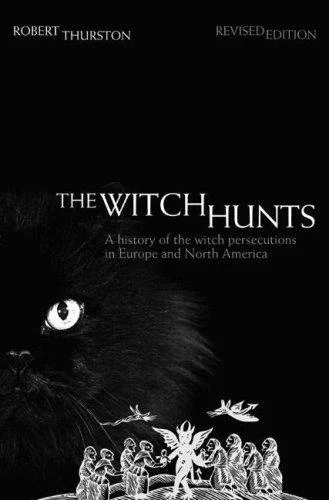
🏛 Books from this publisher Routledge
All books from this publisher →



 89
89

You might also like
See more →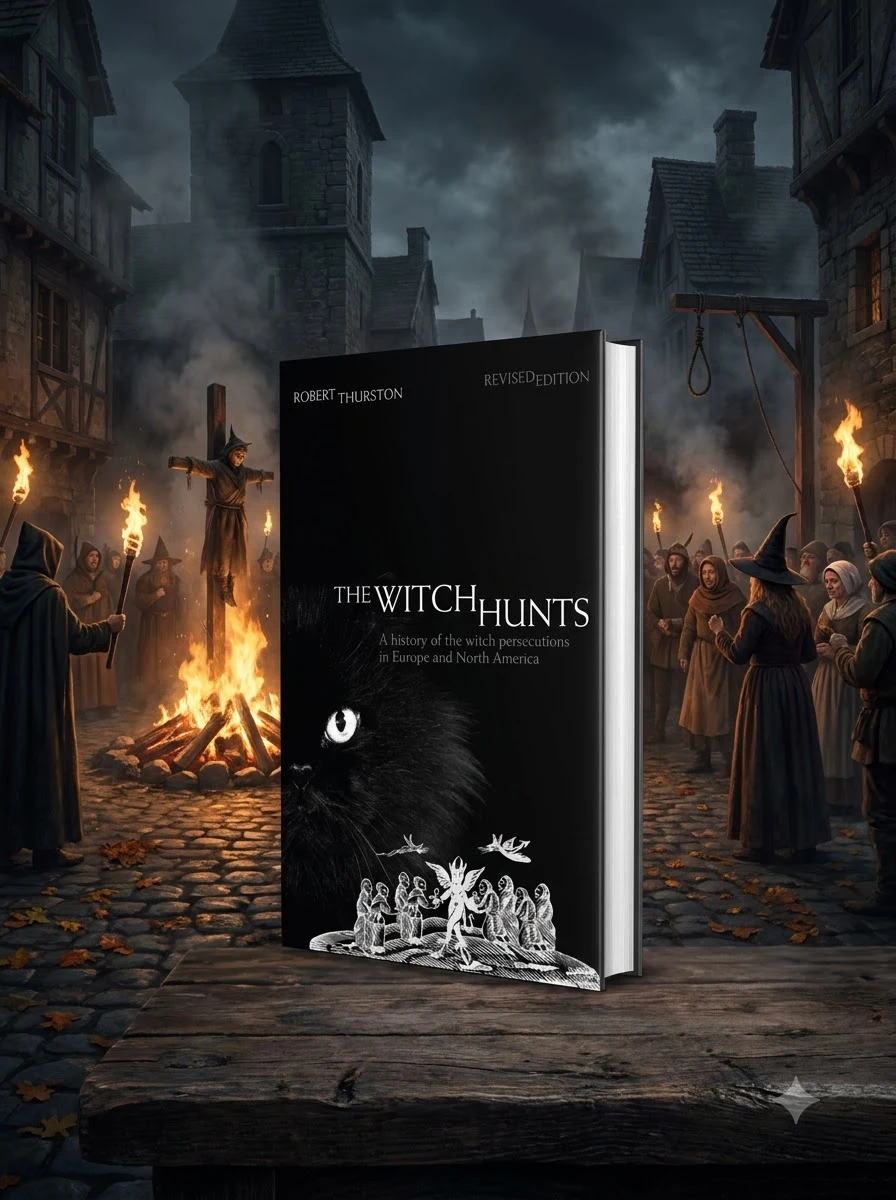
 91
91

 90
90

 90
90
 90
90