US shipping Secure card payment Occult and esoteric books

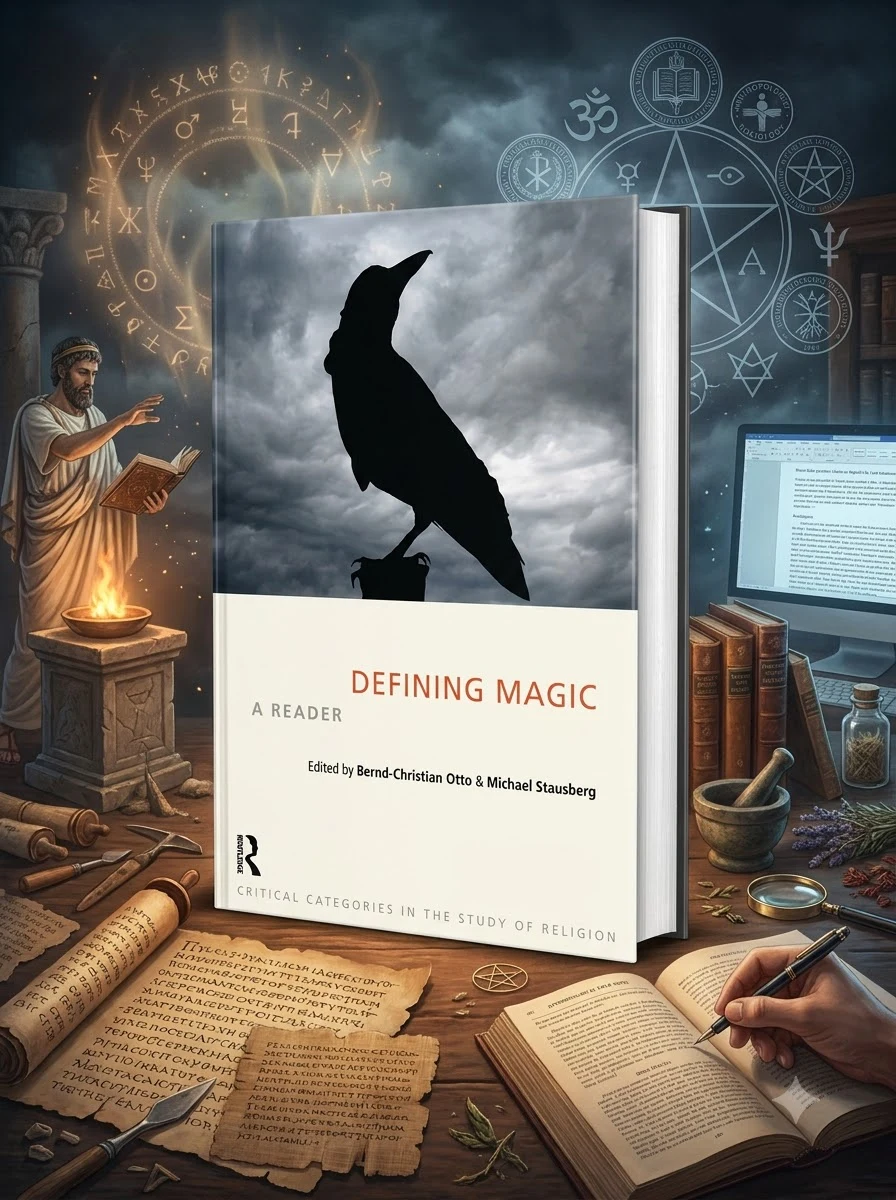
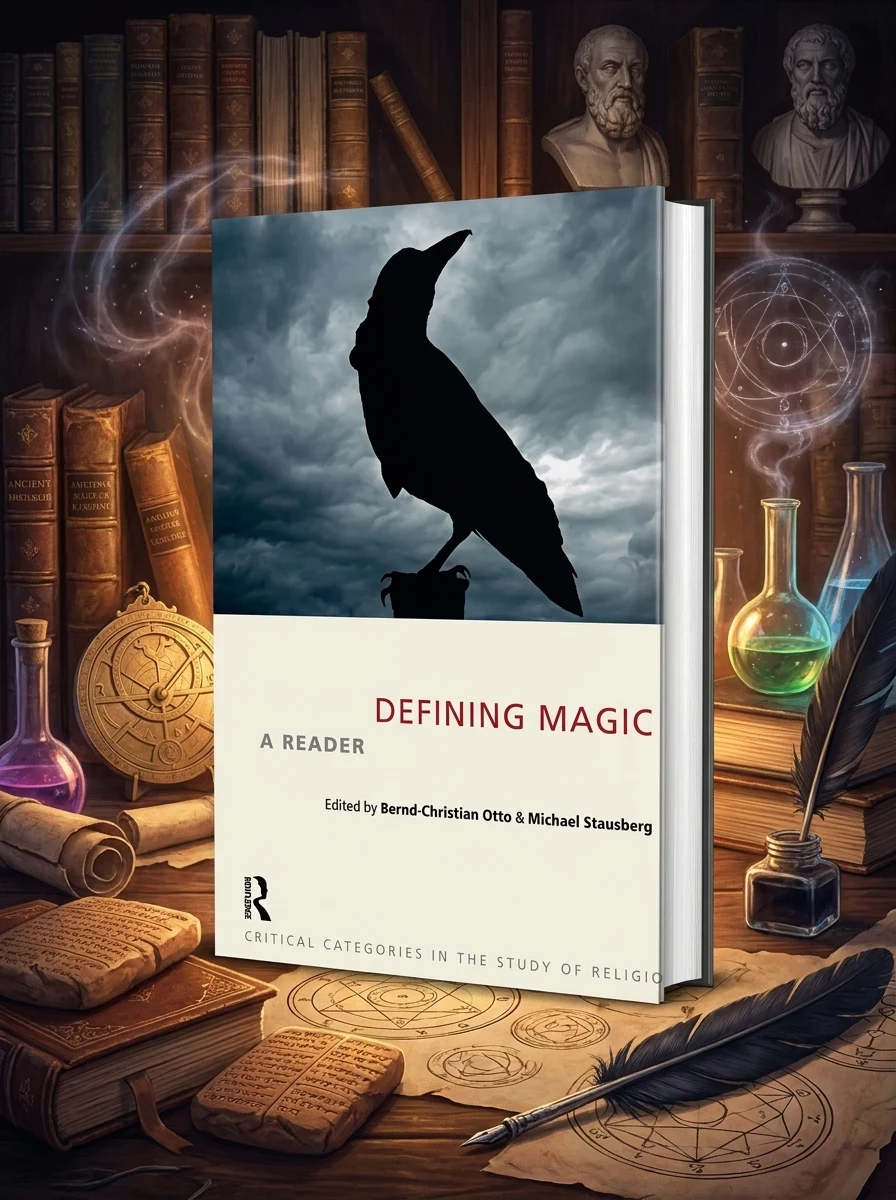
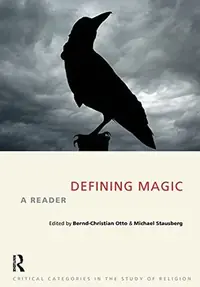
Defining Magic: A Reader Otto, Bernd-Christian

Otto, Bernd-Christian
Reader rating
4.7
(1 reviews) 83 sold
Availability to be confirmed

This edition can be ordered. No arrival date is confirmed.

📚 ABOUT THE BOOK

Trace magic from ancient myths to modern anthropology in this essential academic anthology.

This volume serves as a vital compass for navigating the complex history of magical thought. It gathers seminal texts from antiquity to the present, offering a curated journey through how different eras have conceptualized the arcane. By juxtaposing theological treatises with anthropological studies, the book reveals how definitions of magic have shifted from divine intervention to social function. Each section is carefully introduced to guide readers through dense philosophical debates, making this an indispensable resource for understanding how we categorize the supernatural across cultures and centuries.

Key themes
Definitional boundaries Historical evolution Academic anthropology
Historical context

This volume anchors itself within the academic study of esotericism, bridging historical theology and modern anthropology. It provides a scholarly framework for understanding magical thought across diverse cultural epochs.


Difficulty
●●● Demanding
Fans will love it
W.B. Yeats · James Frazer · Mircea Eliade · The Golden Dawn
⚜️ Ceremonial Magic
🏛 Routledge 📖 296 pages 📔 Hardcover 📐 Hardcover ISBN: 9781908049797
Fun fact
Otto’s collection excels as a scholarly map, charting the intellectual terrain of magical theory with precision. It is invaluable for students and academics seeking context. However, practitioners seeking practical grimoires or esoteric secrets will find it dry and detached. It sits firmly in the realm of critical theory, offering rigorous analysis over mystical experience.
📚 This book appears in Esoterica Books

📝 Description: Defining Magic: A Reader Otto, Bernd-Christian

Magic has been an important term in Western history and continues to be an essential topic in the modern academic study of religion, anthropology, sociology, and cultural history. Defining Magic is the first volume to assemble key texts that aim at determining the nature of magic, establish its boundaries and key features, and explain its working. The reader brings together seminal writings from antiquity to today. The texts have been selected on the strength of their success in defining magic as a category, their impact on future scholarship, and their originality. The writings are divided into chronological sections and each essay is separately introduced for student readers. Together, these texts - from Philosophy, Theology, Religious Studies, and Anthropology - reveal the breadth of critical approaches and responses to defining what is magic. CONTRIBUTORS: Aquinas, Augustine, Helena Petrovna Blavatsky, Dennis Diderot, Emile Durkheim, Edward Evans-Pritchard, James Frazer, Susan Greenwood, Robin Horton, Edmund Leach, Gerardus van der Leeuw, Christopher Lehrich, Bronislaw Malinowski, Marcel Mauss, Agrippa von Nettesheim, Plato, Pliny, Plotin, Isidore of Sevilla, Jesper Sorensen, Kimberley Stratton, Randall Styers, Edward Tylor

💎 Expert review

💎
Esoterica Books editorial team
Occult literature desk
Otto curates a dense but rewarding collection that maps the shifting contours of magical theory. While it successfully juxtaposes theological and anthropological perspectives, its academic rigor may alienate casual readers seeking practical grimoires or easy-to-digest occult lore. It is not suitable for those who prefer experiential guides over historical analysis. However, for students of religion and philosophy, this text serves as an essential primer on the intellectual history of the arcane, offering clarity where other sources provide only mystification.
✓ EDITOR'S REVIEW

📖 Why choose it

📖

Why this book is worth reading

This anthology is an indispensable resource for scholars and serious enthusiasts who seek to understand the intellectual lineage of magical concepts. It benefits those tired of superficial definitions, offering a rigorous journey from ancient myths to contemporary anthropological studies. By juxtaposing theological treatises with social analyses, it helps readers trace how the supernatural has been categorized across centuries. This volume is ideal for anyone needing a vital compass through complex debates, ensuring they grasp not just what magic is, but how its definition has evolved in human thought.

⭐ Reader reviews

The starting rating comes from the team Esoterica Books —
⭐ Esoterica editorial review Editorial rating 4.7/5
★★★★
Scholars of religion and anthropology seeking a foundational overview, and serious practitioners interested in the intellectual lineage of how magic is academically classified and historically understood.

Reader rating

4.7
Based on 1 reviews
5
0
4
1
3
0
2
0
1
0
E
Esoterica Books editorial team

Otto curates a dense but rewarding collection that maps the shifting contours of magical theory. While it successfully juxtaposes theological and anthropological perspectives, its academic rigor may alienate casual readers seeking practical grimoires or easy-to-digest occult lore. It is not suitable for those who prefer experiential guides over historical analysis. However, for students of religion and philosophy, this text serves as an essential primer on the intellectual history of the arcane, offering clarity where other sources provide only mystification.

❓ Frequently asked questions

No. It is a theoretical anthology focusing on the academic definition and history of magic, not its practice.
While helpful, the editors provide introductions to each section to make the dense material accessible to students and general readers alike.

📖 Who should read this

Scholars of religion and anthropology seeking a foundational overview, and serious practitioners interested in the intellectual lineage of how magic is academically classified and historically understood.

🎯 Key themes and symbolism

Definitional boundaries

Historical evolution

Academic anthropology

💬 Quotes from the book

“Magic is not a static entity but a category constructed by observers.”

“From Plato to Durkheim, the boundary between ritual and religion remains fluid.”

📜 Historical context

Emerging from the late twentieth-century boom in the academic study of religion, this text responds to the need for a structured historical survey of magical theory. It bridges the gap between classical philosophy, medieval theology, and modern sociological frameworks, establishing a critical dialogue between Western esotericism and secular social science.

📚 Glossary

Eschatology
Ethnography
Magick Studies

📔 Questions to reflect on

  1. How does your personal definition of magic change when viewed through an anthropological lens?
  2. Which historical period in this collection most challenges your preconceptions about the supernatural?
  3. In what ways does the academic categorization of magic limit or expand its perceived power?

🏛 Books from this publisher Routledge

All books from this publisher →
You might also like

See more →