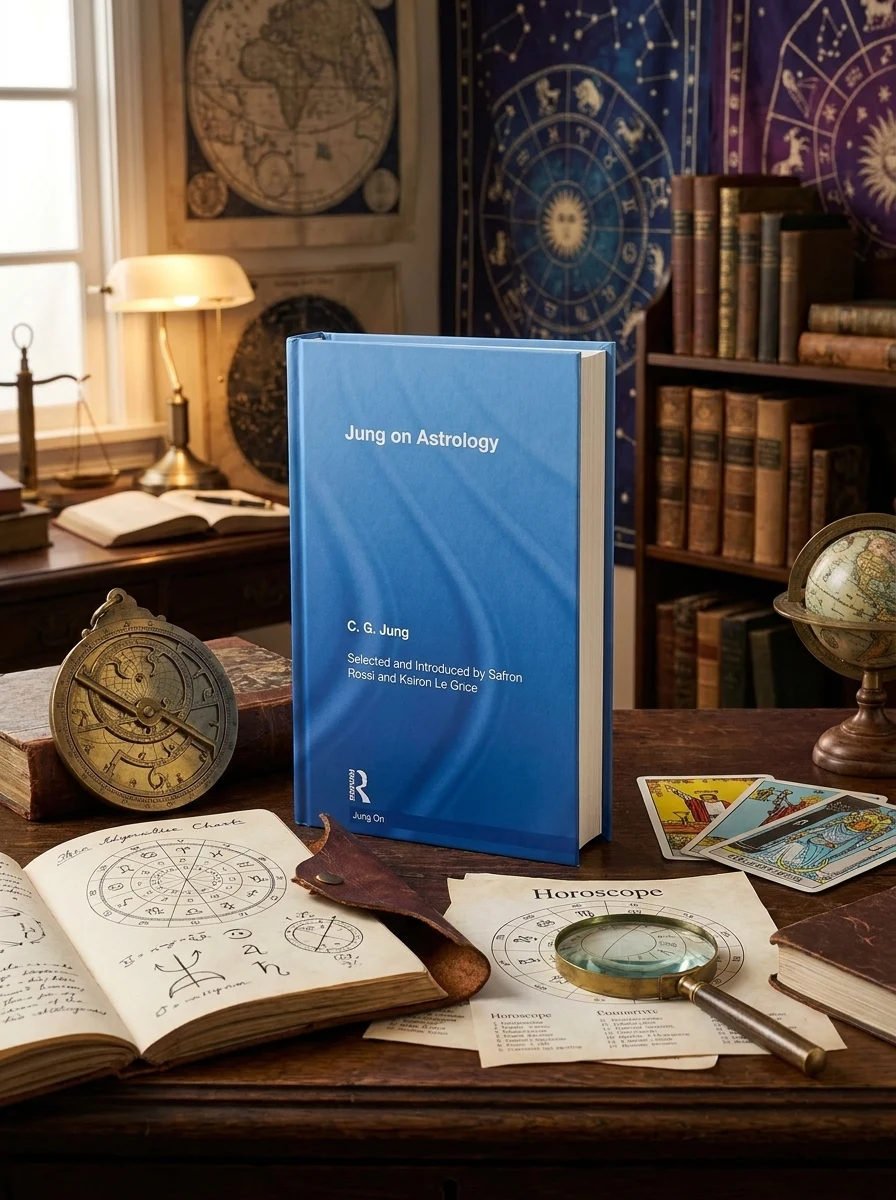
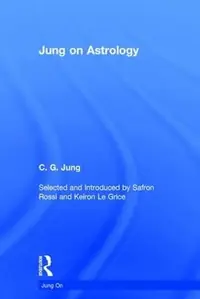
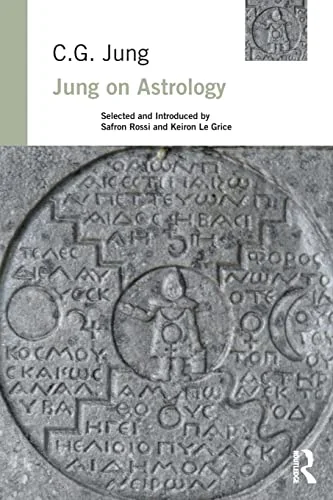
Jung on Astrology Jung, C G
Jung, C G; , Rossi, Safron; , Le Grice, Keiron 89
89
 Editorial score
How we rate
Editorial score
How we rate
This edition can be ordered. No arrival date is confirmed.
Unearth Jung's profound insights into the cosmic dance of the psyche.
For the first time, delve into C. G. Jung's extensive contemplation of astrology, meticulously compiled from his collected works, seminars, and personal letters. This groundbreaking volume illuminates how Jung integrated this ancient divinatory system into his depth psychology, viewing it as a symbolic representation of the collective unconscious's archetypes. Discover his use of horoscopes as diagnostic tools and his exploration of concepts like synchronicity, the qualitative nature of time, and astrological fate, offering a richer understanding of his expansive psychological framework.
This volume bridges the historical disciplines of depth psychology and ancient divinatory traditions, positioning Jung’s astrological theories within the broader framework of esoteric symbolism and archetypal analysis. It serves as a scholarly artifact for those interested in the intersection of modern psychoanalytic thought and classical metaphysical systems.


📝 Description: Jung on Astrology Jung, C G
💎 Expert review
📖 Why choose it
Why this book is worth reading
Readers fascinated by the intricate relationship between the human psyche and cosmic symbolism will find this compilation indispensable. It offers a rare, concentrated look at how C.G. Jung utilized astrology not as mere fortune-telling, but as a profound diagnostic tool for understanding the collective unconscious. By exploring concepts like synchronicity and the qualitative nature of time through the lens of horoscopes, this book provides essential context for his expansive psychological framework. It is ideal for depth psychologists, students of esoteric traditions, and anyone seeking to decode the archetypal patterns that Jung believed were mirrored in the stars, thereby enriching their understanding of fate and individual development.
⭐ Reader reviews
Reader rating
This text is a rigorous academic resource rather than a casual introduction to astrological practice. It is strictly for scholars and serious students of Jungian psychology who wish to examine his theoretical underpinnings regarding archetypes and synchronicity. Casual readers or those seeking practical, day-to-day horoscope interpretations will likely find the dense compilation of collected works, seminars, and letters too abstract and theoretically heavy. It does not offer immediate divinatory utility but rather a complex intellectual exploration of how Jung viewed the cosmos as a symbolic map for the psyche, making it unsuitable for those looking for simple spiritual guidance or practical astrological advice.
❓ Frequently asked questions
📖 Who should read this
Are you a student of Jungian psychology, a seasoned astrologer, or simply fascinated by the intricate connections between cosmos and psyche? This essential volume offers unparalleled insight into Jung's complex relationship with the stars, enriching both your practice and understanding of depth psychology.
🎯 Key themes and symbolism
Archetypal Symbolism
Jung perceived astrology not as mere fortune-telling, but as a rich symbolic language that reflects the universal patterns and images residing within the collective unconscious. This compilation explores how astrological configurations correspond to these inherent archetypes, providing a profound lens through which to understand human experience and psychological dynamics.
Synchronicity and Fate
The book delves into Jung's groundbreaking concept of synchronicity—meaningful acausal coincidences—and how it applies to astrological phenomena. It examines how astrological alignments can signify a qualitative moment in time, influencing the experience of destiny not as rigid determinism, but as a psychological potential waiting to unfold in an individual's life.
Astrology's Psychological Knowledge
Jung considered astrology to encapsulate the 'sum of all the psychological knowledge of antiquity,' recognizing its deep historical roots in understanding human nature. This volume reveals how he valued its insights into personality, life cycles, and collective psychological shifts, particularly in relation to the precession of the equinoxes and changing astrological ages.
💬 Quotes from the book
“Astrology, understood psychologically, unveils the symbolic language of the archetypes, mirroring the very structure of the collective unconscious, an invaluable diagnostic aid.”
“The qualitative nature of time, as expressed through astrological configurations, offers profound insights into the experience of fate, not as compulsion, but as potential for individuation.”
📜 Historical context
📚 Glossary
- Archetype
- Synchronicity
- Collective Unconscious
📔 Questions to reflect on
- Reflect on a significant life event. Can you perceive any synchronous connections or meaningful coincidences that defy linear causality, echoing Jung's ideas?
- Consider Jung's idea of astrology as a 'sum of all psychological knowledge.' How might viewing ancient systems through a psychological lens enrich our modern understanding of the human psyche?
- How does the concept of astrological 'fate' as qualitative potential, rather than fixed determinism, shift your perspective on personal responsibility and self-development?
📖 From the series “Jung on”
All books in the series →
✍️ More books by this author Jung, C G; , Rossi, Safron; , Le Grice, Keiron
All books by this author →🏛 Books from this publisher Routledge
All books from this publisher →


 89
89


You might also like
See more →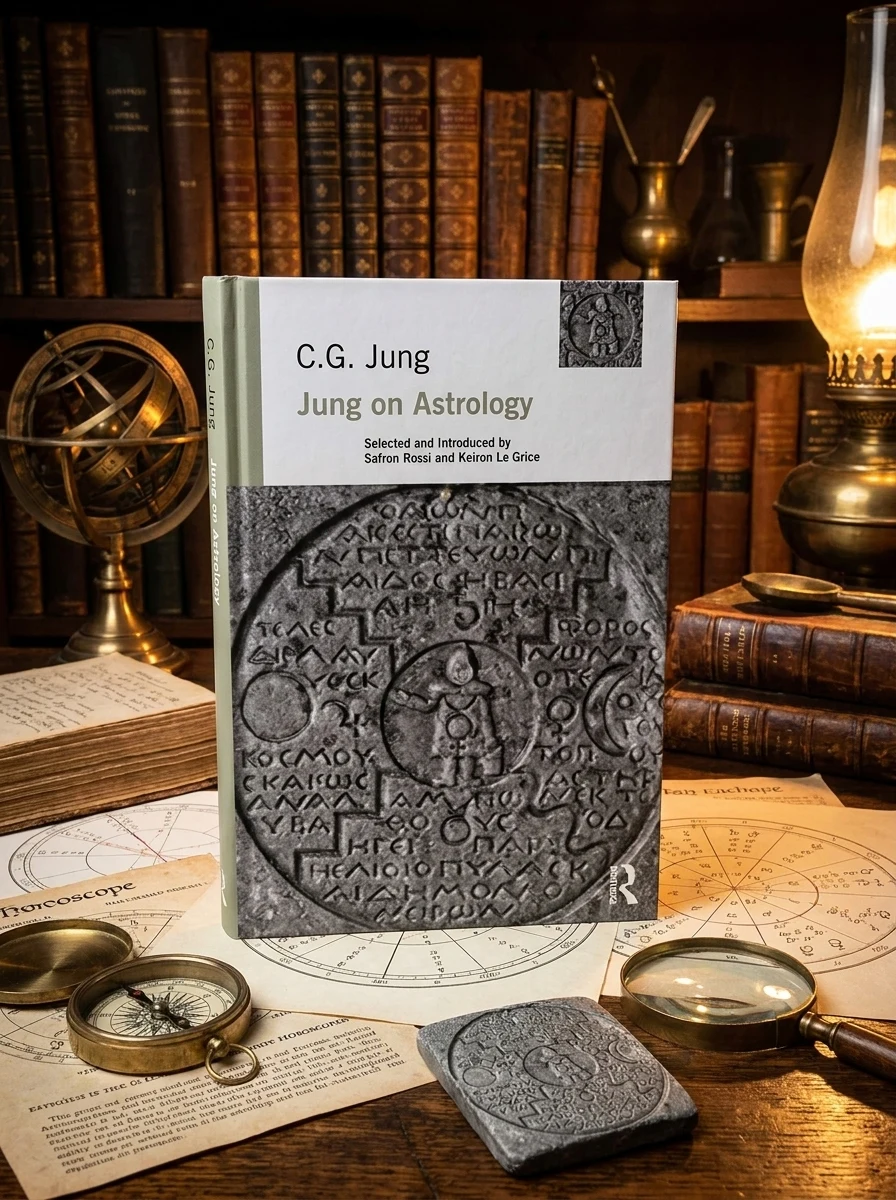 80
80
 91
91

 89
89