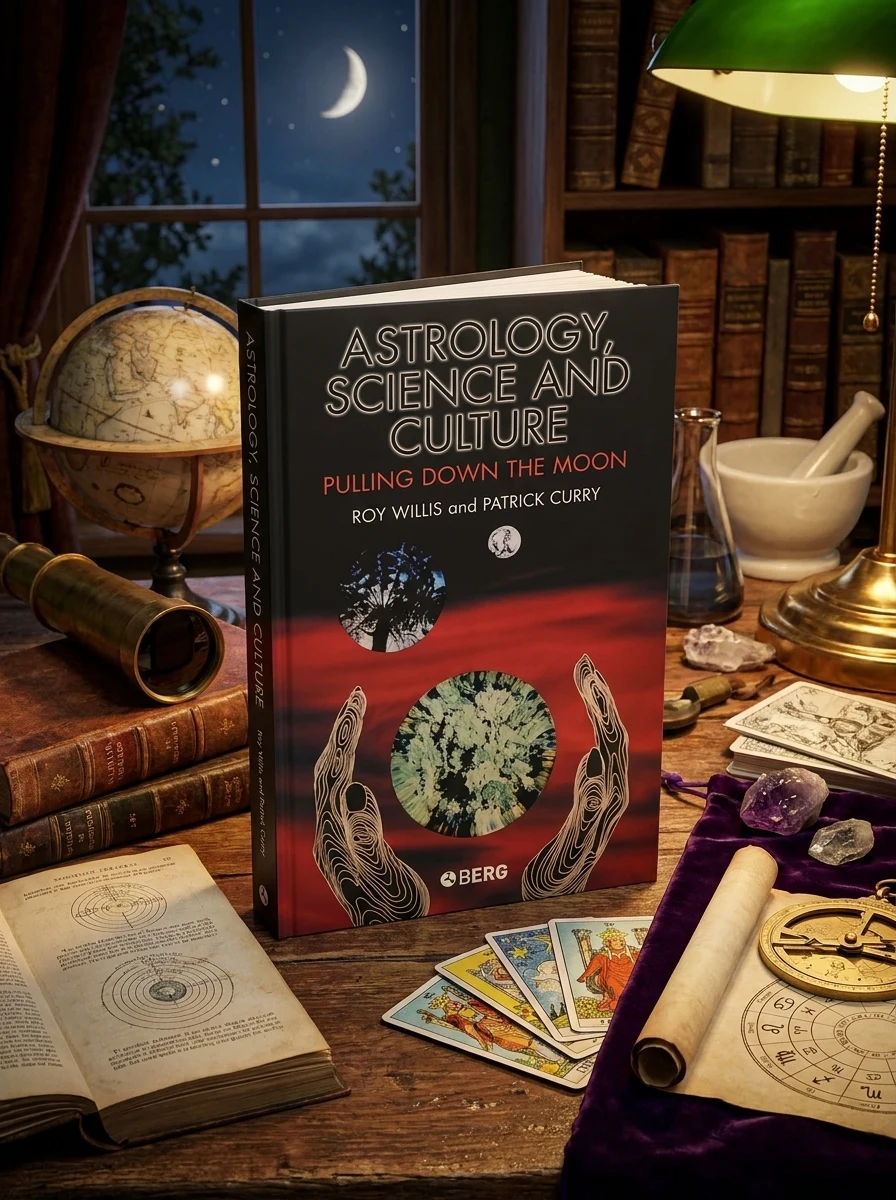
Astrology, Science and Culture: Pulling Down the Moon
Willis, Roy; , Curry, Patrick 86
86
 Editorial score
How we rate
Editorial score
How we rate
Stock reported in the catalog; fulfillment is confirmed with your request.
Unravel the enduring enigma of astrology's profound hold on the modern human psyche.
For too long, mainstream science has dismissed astrology as mere superstition, overlooking its immense cultural significance. This groundbreaking work moves past simple skepticism to deeply explore why astrological belief systems continue to captivate and organize countless lives, from daily horoscopes to intricate personal forecasts. Willis and Curry peel back layers of contemporary misunderstanding, including that of many modern astrologers, to reveal astrology's ancient roots in Neolithic cultures as a powerful divinatory practice, not just a system of prediction. It offers a fresh, anthropological lens on this controversial, yet pervasive, human tradition.
This work sits at the intersection of anthropology and esoteric studies, challenging the binary opposition between scientific skepticism and traditional astrological practice. It positions astrology not as a predictive science but as a pervasive cultural phenomenon rooted in ancient divinatory traditions.


📝 Description: Astrology, Science and Culture: Pulling Down the Moon
💎 Expert review
📖 Why choose it
Why this book is worth reading
Readers fascinated by the psychological underpinnings of belief systems will find this text invaluable. It is ideal for those tired of superficial horoscopes, seeking instead a deep understanding of why astrology remains so potent in modern life. The book serves those interested in the anthropological history of divination and how ancient Neolithic practices continue to influence contemporary psyche. It offers a respectful, rigorous exploration that validates the human need for meaning without endorsing pseudoscientific claims.
⭐ Reader reviews
Reader rating
Willis and Curry deliver a sophisticated anthropological critique that strips away both mainstream dismissal and modern astrological pretensions. While intellectually stimulating, this book does not suit readers seeking practical natal chart readings or validation of supernatural powers. It is also unsuitable for those who prefer binary debates between science and superstition, as it refuses to take sides, focusing instead on cultural persistence. Skeptics may find its empathetic tone toward belief systems frustrating, while devout astrologers might resist the demystification of their craft.
❓ Frequently asked questions
📖 Who should read this
If you're fascinated by the cultural anthropology of belief, the history of science, or seek a deeper, non-reductive understanding of astrology's enduring power, this book is for you. It's an essential read for those who look beyond simple scientific dismissal.
🎯 Key themes and symbolism
Challenging Scientific Dismissal
The book critically examines the conventional scientific rejection of astrology, arguing that such dismissal fails to address its pervasive cultural impact. Instead of simply labeling it a 'pseudoscience,' the authors delve into the complex reasons for its enduring appeal, pushing for a more nuanced understanding of belief systems that defy empirical proof but shape human experience.
Astrology's Cultural Significance
This work explores astrology not as a predictive tool, but as a vital cultural phenomenon influencing daily decisions and life organization for millions. It investigates the societal mechanisms and psychological needs that astrology fulfills, shedding light on why this 'pseudo-science' maintains such a strong grip on supposedly rational individuals across diverse cultures and historical periods.
Reclaiming Divinatory Origins
Willis and Curry assert that astrology's essence lies in its origins as a divinatory language, tracing its roots back to ancient European and Middle Eastern Neolithic cultures. They contend that its primary function was to interpret cosmic signs for guidance and understanding, a purpose often obscured by modern interpretations, including those focused solely on personality traits or future events.
💬 Quotes from the book
“To label astrology 'superstition' is to sidestep the profound human need it addresses, the very yearning for cosmic connection that has shaped our cultures for millennia.”
“The celestial tapestry was, for our ancestors, not merely a clock but a mirror of divine will, a language to be read, not just observed.”
📜 Historical context
📚 Glossary
- Pseudoscience
- Divinatory Practice
- Neolithic Culture
📔 Questions to reflect on
- How has scientific rationalism shaped your own perception of practices like astrology, and what might be gained by exploring them through a cultural lens?
- Consider how astrological beliefs, even if you don't personally subscribe to them, might quietly influence societal narratives or individual decision-making in the modern world.
- Reflect on the human need for meaning and connection to something larger than ourselves. How might astrology, in its ancient divinatory form, have fulfilled this need for early cultures?
✍️ More books by this author Willis, Roy; , Curry, Patrick
All books by this author →
🏛 Books from this publisher Routledge
All books from this publisher →


 89
89


You might also like
See more →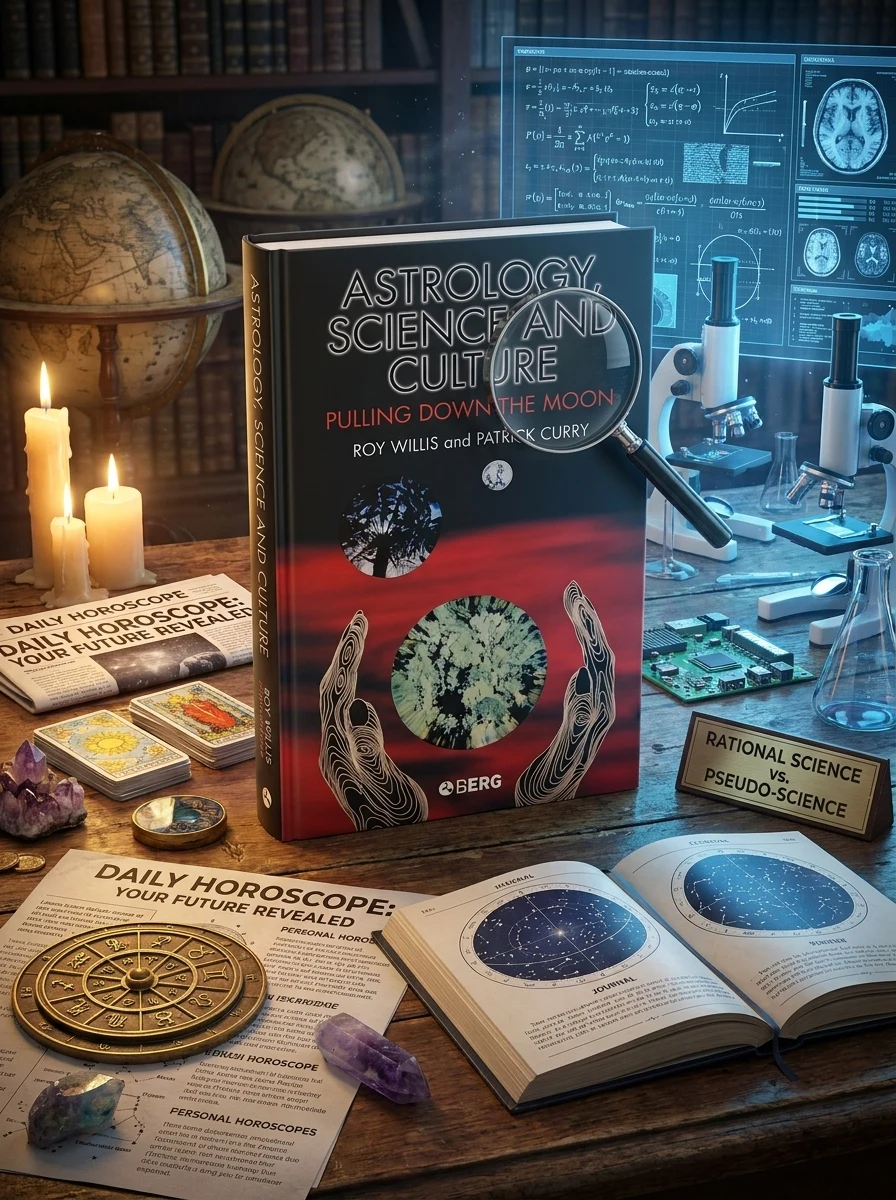
 91
91

 89
89