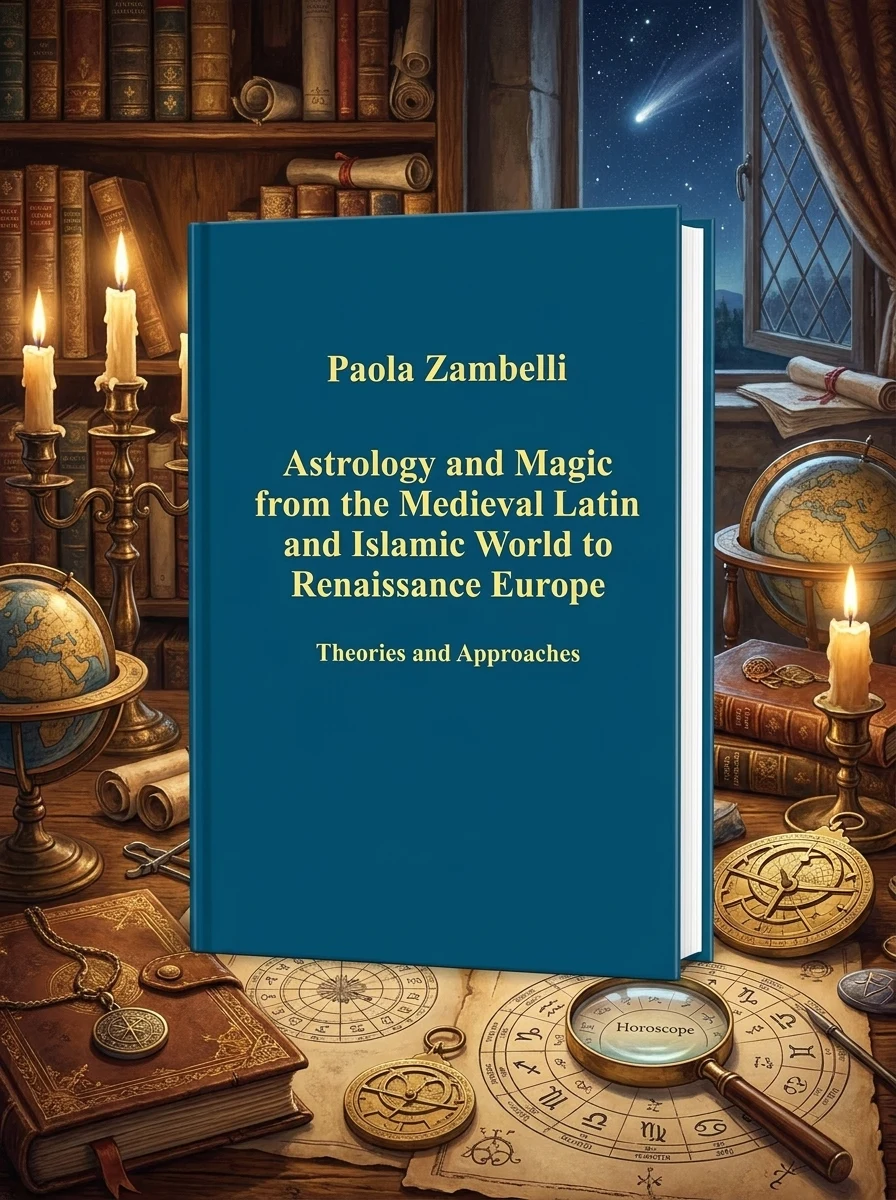
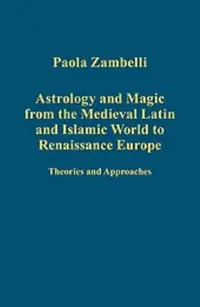
Astrology and Magic from the Medieval Latin and Islamic World to Renaissance Europe: Theories and Approaches Zambelli, Paola
Zambelli, Paola 89
89
 Editorial score
How we rate
Editorial score
How we rate
This edition can be ordered. No arrival date is confirmed.
Unearth the celestial secrets that shaped medieval and Renaissance thought and power.
Paola Zambelli’s collected essays illuminate the intricate dance between astrology and magic across centuries, from the Latin West to the Islamic world and into Renaissance Europe. This volume gathers ten profound papers, including four previously unavailable in English, exploring the theoretical underpinnings of astral prognostication, the social and political influence of Renaissance astrologers, and the dramatic cultural impact of events like the 1524 Great Conjunction. Zambelli meticulously dissects how these esoteric traditions permeated intellectual discourse, popular belief, and the very fabric of early modern society.
This volume explores the historical intersection of astrology and magic within medieval Latin, Islamic, and Renaissance European intellectual traditions. It examines how these esoteric theories influenced early modern society and political power structures.


📝 Description: Astrology and Magic from the Medieval Latin and Islamic World to Renaissance Europe: Theories and Approaches Zambelli, Paola
💎 Expert review
📖 Why choose it
Why this book is worth reading
Scholars and serious enthusiasts of Western esotericism will find immense value in this collection, which bridges the gap between Islamic astrological theories and their reception in Renaissance Europe. Zambelli’s meticulously researched essays offer a rare glimpse into the theoretical underpinnings of astral prognostication and the significant social influence wielded by court astrologers. Readers interested in how celestial beliefs shaped political discourse and popular culture during this pivotal era will appreciate the depth of analysis. The inclusion of previously unavailable texts provides fresh insights into the dramatic cultural impacts of major astronomical events, making this an essential resource for understanding the intellectual fabric of early modern society.
⭐ Reader reviews
Reader rating
Zambelli presents a rigorous academic exploration of astrology's role in shaping medieval and Renaissance thought, appealing primarily to specialists in history, philosophy, or esoteric studies. The work is dense with theoretical analysis and historical context, demanding patience from casual readers seeking accessible popular history. It does not suit those looking for practical astrological advice, simple biographical narratives, or light entertainment. While the scholarly depth is commendable for its intended audience, general readers may find the focus on intellectual discourse and political influence too abstract. However, for those dedicated to understanding the complex interplay between celestial theory and societal power, this volume offers indispensable clarity and historical perspective.
❓ Frequently asked questions
📖 Who should read this
For scholars, history enthusiasts, and anyone fascinated by the intellectual currents of the Medieval and Renaissance periods, this book offers unparalleled insight. If you seek to understand the profound impact of esoteric thought on early modern culture, politics, and science, this collection is an essential read.
🎯 Key themes and symbolism
Astrological Theories Explored
This collection delves into the sophisticated intellectual frameworks that underpinned astrological and magical thought during the Renaissance. It examines how prominent thinkers conceived of cosmic influences, universal cycles, and even the controversial concept of spontaneous generation. Zambelli reveals the complex philosophical debates surrounding these ideas, demonstrating their deep integration into scholarly and scientific discourse of the era.
Astrologers' Societal Role
Discover the pivotal, multifaceted roles played by astrologers within Renaissance society. Far from mere fortune-tellers, they functioned as esteemed political advisors, influential courtiers, and respected academics. Their insights and predictions were widely disseminated, influencing both elite circles and broader popular culture, thus shaping public opinion and decision-making at the highest levels of power.
The Great Conjunction of 1524
The book meticulously reconstructs the widespread fascination and intense debate surrounding the astrological prediction of a catastrophic flood in February 1524. Zambelli illustrates how the advent of the printing press amplified these prophecies, leading to a deluge of pamphlets filled with political and religious implications. This section highlights the power of print in disseminating esoteric knowledge and shaping collective anxieties.
💬 Quotes from the book
“The intellectual landscape of the Renaissance was not merely a rebirth of classical learning, but a vibrant arena where ancient astrological tenets were re-evaluated through the lens of emerging philosophical and scientific inquiry.”
“The astrologer's chamber was often indistinguishable from the prince's council room, underscoring the deep-seated conviction that cosmic alignments held tangible sway over matters of state and personal destiny.”
📜 Historical context
📚 Glossary
- Great Conjunction
- Renaissance Astrology
- Spontaneous Generation
📔 Questions to reflect on
- How did the perceived influence of celestial bodies on human affairs shape political and social decision-making in the Renaissance, and what parallels, if any, can be drawn to contemporary forms of societal belief or influence?
- Reflect on the role of the printing press in disseminating astrological predictions, such as the 1524 Great Conjunction. How does this historical example illuminate the power of media in shaping public perception and collective anxiety then and now?
- Consider the academic treatment of topics like 'spontaneous generation' within Renaissance thought. What does this reveal about the historical interplay between science, philosophy, and what we might now term 'occult' knowledge?
📖 From the series “Variorum Collected Studies”
All books in the series →
✍️ More books by this author Zambelli, Paola
All books by this author →
🏛 Books from this publisher Routledge
All books from this publisher →
 89
89

You might also like
See more → 83
83
 91
91
 89
89
 89
89