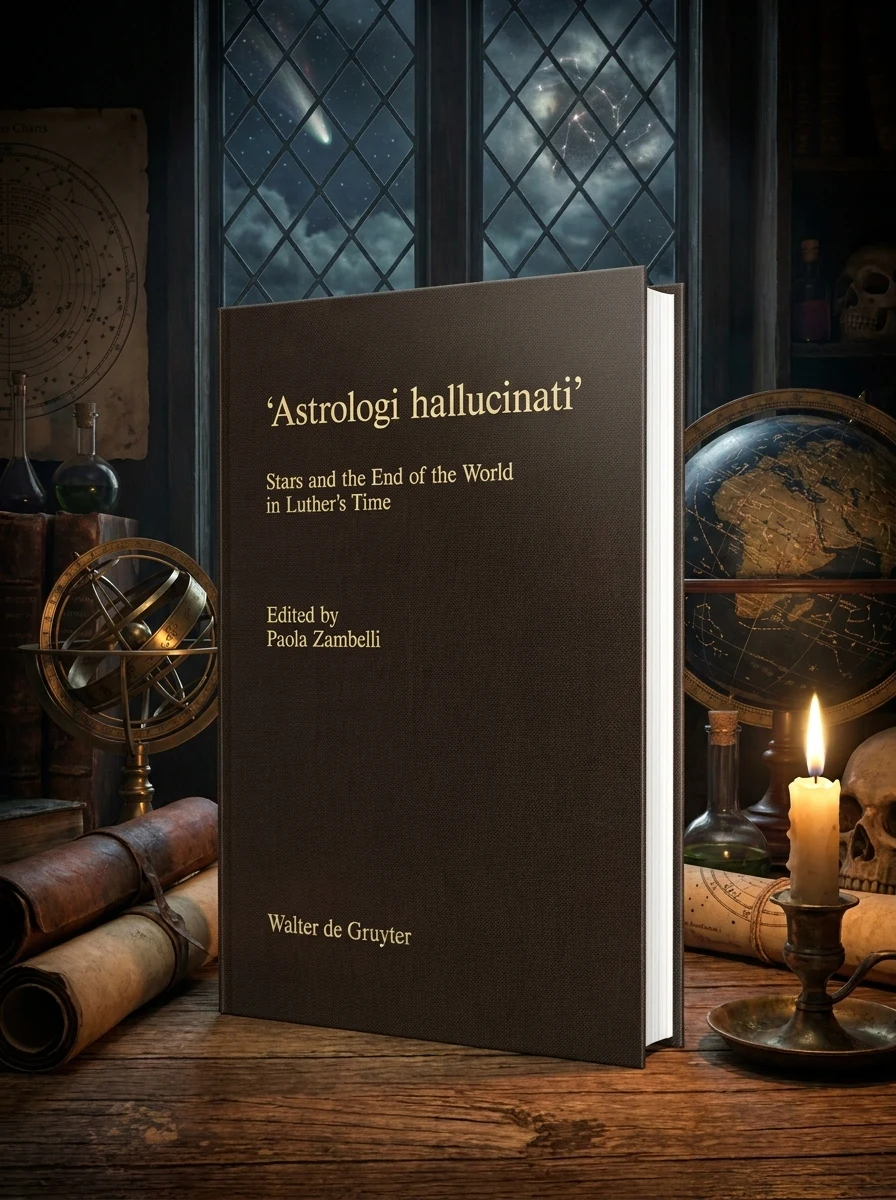
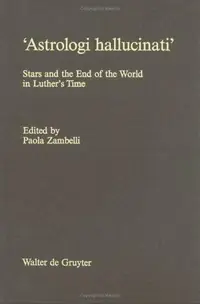
"Astrologi hallucinati" (Reprint 2014)
Zambelli, Paola 83
83
 Editorial score
How we rate
Editorial score
How we rate
Stock reported in the catalog; fulfillment is confirmed with your request.
Uncover the fraught history where celestial wisdom met human delusion in medieval Europe.
Paola Zambelli’s "Astrologi Hallucinati" delves into the complex, often controversial world of astrological thought, particularly as it unfolded in medieval Germany. This seminal work meticulously examines the intellectual debates, philosophical challenges, and theological anxieties surrounding celestial divination during a pivotal era. Zambelli dissects how astrology was perceived, misinterpreted, and even condemned, offering a nuanced perspective on its reception. Far from a simple history, it explores the very nature of belief, knowledge, and the human propensity for both profound insight and profound error when interpreting the cosmos.
This work situates itself within the intellectual history of medieval Europe, specifically examining the intersection of celestial wisdom and human delusion in Germany. It explores the theological anxieties and philosophical debates that defined the reception of astrology during this pivotal era.


📝 Description: "Astrologi hallucinati" (Reprint 2014)
💎 Expert review
📖 Why choose it
Why this book is worth reading
Scholars and enthusiasts of medieval intellectual history will find immense value in Zambelli’s meticulous examination of astrological thought. This book is essential for those interested in how celestial divination was perceived, misinterpreted, and condemned during the Middle Ages. Readers seeking to understand the complex nature of belief and knowledge in a theological context will appreciate the nuanced perspective offered here. It appeals to anyone fascinated by the human propensity for both profound insight and error when interpreting the cosmos. The work provides a deep dive into the controversies that shaped astrological reception, making it a vital resource for understanding the fraught history where wisdom met delusion.
⭐ Reader reviews
Reader rating
Zambelli offers a rigorous academic dissection of medieval German astrology, focusing on intellectual debates rather than practice. While historically significant, this text is not suitable for casual readers seeking practical horoscopes or accessible narratives. It may frustrate those expecting a straightforward history without dense philosophical analysis. The book is best suited for specialists in medieval studies or theology who can navigate complex arguments about celestial divination and theological anxieties. Readers looking for light entertainment or simple historical overviews will likely find the depth of inquiry into belief and knowledge too heavy and overly academic for their tastes.
❓ Frequently asked questions
📖 Who should read this
If you're fascinated by the intersection of intellectual history, philosophy of science, and evolving esoteric perception, this book is for you. Ideal for scholars and curious minds seeking to understand historical debates surrounding astrology and human belief.
🎯 Key themes and symbolism
Medieval German Thought
Provides a deep dive into the unique intellectual and cultural landscape of medieval Germany, illustrating how astrological ideas were integrated into, or rejected by, its scholastic and societal structures. Zambelli illuminates the specific philosophical currents that shaped the discourse around celestial influence during this period.
Philosophy of Belief
Beyond a mere historical account, the book probes the deeper philosophical questions surrounding human understanding, delusion, and the interpretation of signs. It investigates how societies grapple with complex knowledge systems, distinguishing genuine insight from what might be perceived as collective hallucination or misguidance.
💬 Quotes from the book
“The medieval mind grappled with the apparent paradox of free will against the backdrop of planetary determinism, a tension that fueled centuries of intellectual strife.”
“Far from a monolithic belief system, astrology’s reception in Germany was fragmented, reflecting diverse academic interpretations and popular superstitions.”
📜 Historical context
📚 Glossary
- Celestial Divination
- Scholasticism
- Melancholia
📔 Questions to reflect on
- How do contemporary societies differentiate between legitimate scientific inquiry and what might be considered 'hallucinatory' or unfounded beliefs?
- Reflect on a historical period or culture where an esoteric practice held significant intellectual sway. What were the social and philosophical implications?
- Consider the ongoing debate between free will and determinism. How might astrological theories of influence contribute to or challenge your personal understanding of this dynamic?
✍️ More books by this author Zambelli, Paola
All books by this author →

🏛 Books from this publisher de Gruyter
All books from this publisher →


You might also like
See more →
 91
91
![The Instant Astrologer [With CD]](/img/the-instant-astrologer-with-cd-scene.webp) 91
91