Fluch und Gebet: Magische Manipulation versus religiöses Flehen? - Ingram Academic Versnel, H S
Stock reported in the catalog; fulfillment is confirmed with your request.
Uncover the ancient boundary between manipulative curses and fervent prayers.
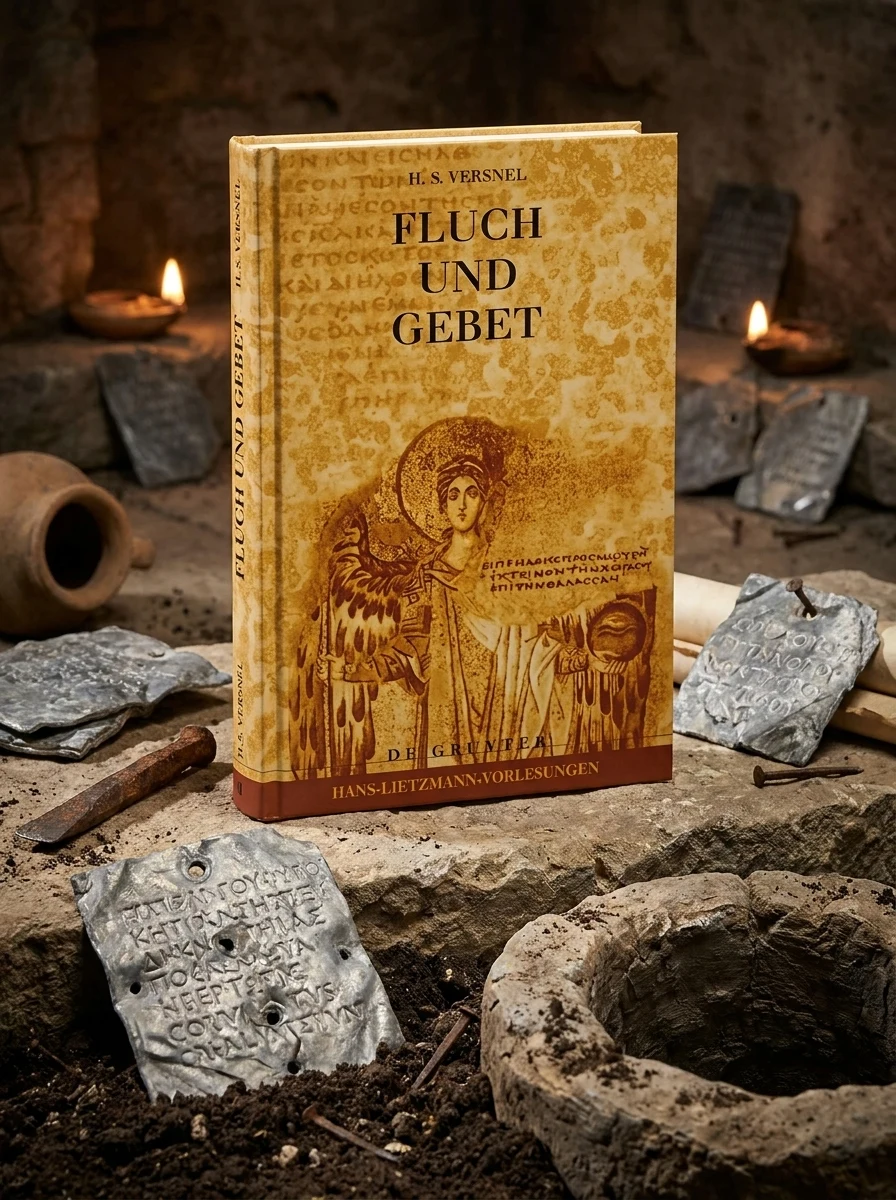
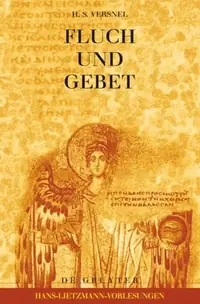
H.S. Versnel delves into the enduring debate surrounding magic and religion, offering a compelling re-evaluation through a meticulous study of ancient Greek and Latin lead tablets. This insightful work reveals a critical, often overlooked, distinction between two forms of curse practices. One type, often hidden and manipulative, aimed to bind adversaries through arcane means, reflecting what we now term 'magic.' The other, frequently publicized in sacred spaces, appealed directly to deities for justice against wrongdoers, embodying a deferential, prayer-like supplication. Versnel's analysis illuminates the subtle societal judgments and underlying intentions that historically separated these powerful invocations.
This scholarly work sits at the intersection of classical philology and religious studies, examining the nuanced boundaries between ancient Greek and Latin curse practices and religious supplication. It contributes to the broader academic discourse on how historical societies distinguished between manipulative magic and deferential prayer.


📝 Description: Fluch und Gebet: Magische Manipulation versus religiöses Flehen? - Ingram Academic Versnel, H S
💎 Expert review
📖 Why choose it
Why this book is worth reading
This book is essential for scholars and serious enthusiasts of esoteric history who seek to move beyond superficial definitions of magic. Readers will gain a profound understanding of how ancient societies navigated the delicate line between coercive curses and humble prayers. Versnel’s meticulous analysis of lead tablets reveals hidden societal judgments and intentions that are often overlooked in general literature. It offers a compelling re-evaluation of power dynamics in antiquity, providing clarity on why certain invocations were deemed magical while others were accepted as religious acts. If you are interested in the subtle distinctions of intent and public versus private ritual, this text provides the necessary depth and rigor to enrich your comprehension of ancient spiritual practices.
⭐ Reader reviews
Reader rating
Versnel delivers a rigorous academic examination that will appeal primarily to specialists in classical studies and religious history. The text is dense, requiring patience for those unaccustomed to philological analysis. It does not suit casual readers seeking practical magical techniques or simple narratives about occultism. Those looking for accessible introductions to magic may find the focus on lead tablets and societal judgments too dry. However, for those willing to engage with complex arguments about the boundary between manipulation and supplication, this work offers unparalleled insight into the ancient mindset regarding justice and divine intervention.
❓ Frequently asked questions
📖 Who should read this
If you're fascinated by the nuanced interplay between belief systems, ancient spiritual practices, and the historical classification of the sacred versus the profane, this rigorous academic exploration of ancient curses will profoundly enrich your understanding of these enduring themes.
🎯 Key themes and symbolism
Magic and Religious Boundaries
This study meticulously dissects the historical and conceptual divide between magical practices and religious devotion. By examining ancient curses, it reveals how societal perception, intent, and method—manipulation versus supplication—shaped the categorization of these potent spiritual acts, challenging modern assumptions about their interconnectedness.
Deciphering Ancient Curses
Versnel’s research offers an unparalleled deep dive into Greek and Latin *defixiones*. It distinguishes between covert, binding curses intended for personal manipulation and public, petitionary curses directed at deities, shedding light on their diverse applications, social contexts, and the beliefs that underpinned these powerful inscribed invocations.
Legitimate vs. Illegitimate Power
The book explores how ancient societies judged the propriety of using supernatural force. It highlights how secret, manipulative curses were viewed with suspicion and disapproval, while public prayers seeking divine retribution for perceived wrongs were often deemed legitimate expressions of faith, revealing the moral frameworks governing ancient spiritual engagement.
💬 Quotes from the book
“The crucial distinction often lies not in the supernatural agency invoked, but in the perceived intent: manipulation versus deferential plea.”
“Buried in forgotten places, these clandestine inscriptions whispered desires for control, starkly contrasting with the public entreaties seeking divine justice.”
📜 Historical context
📚 Glossary
- Defixiones
- Binding Curses
- Supplication
📔 Questions to reflect on
- How do modern societies draw lines between legitimate prayer and manipulative magical practices?
- Consider a historical or cultural example where an act was considered both religious and magical. What defined its categorization?
- How might the secrecy or publicity of an act influence its perception as either sacred or profane, then and now?
🏛 Books from this publisher de Gruyter
All books from this publisher →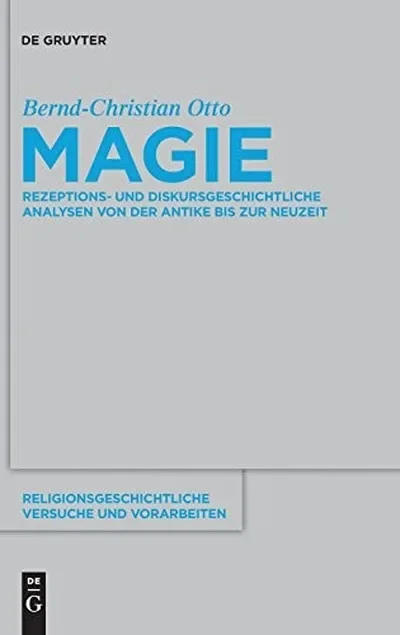
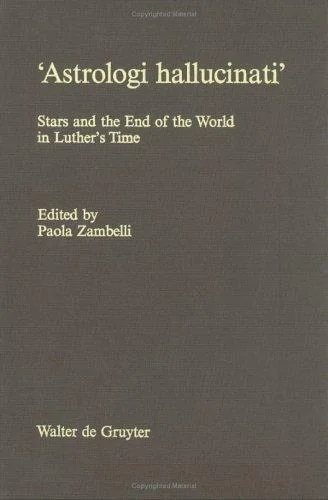
 83
83
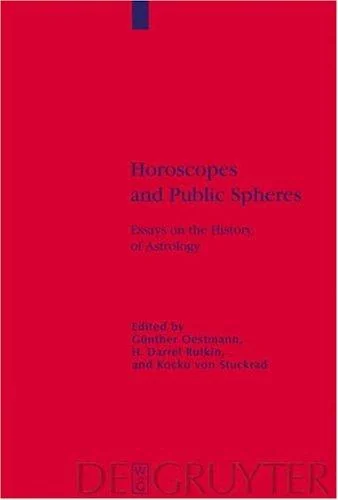

You might also like
See more →
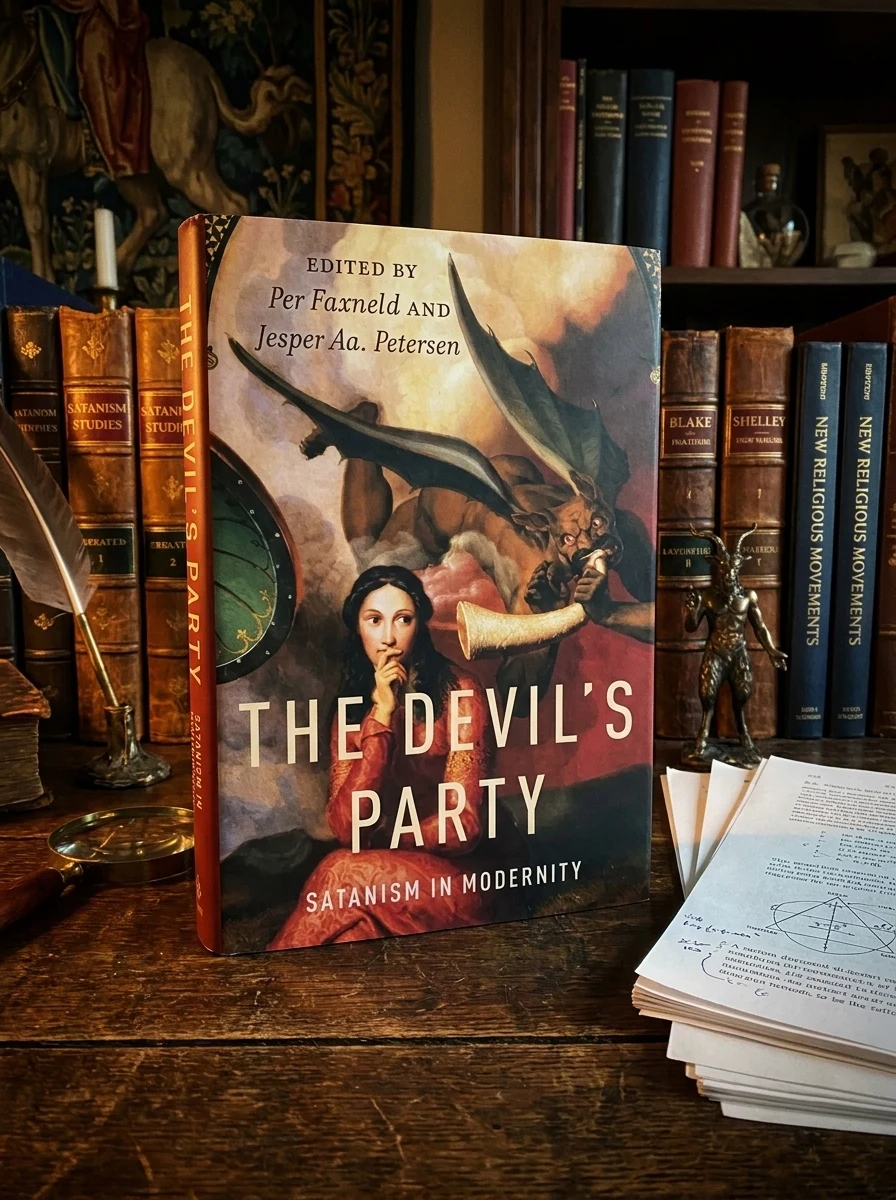 91
91
 91
91