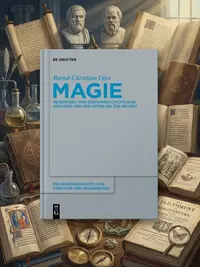

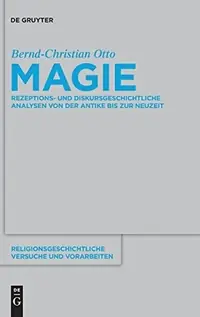
Magie - Ingram Academic Otto, Bernd-Christian
Otto, Bernd-Christian 75
75
 Editorial score
How we rate
Editorial score
How we rate
Stock reported in the catalog; fulfillment is confirmed with your request.
Trace the shifting shadow of 'magic' across two millennia of thought and theology.
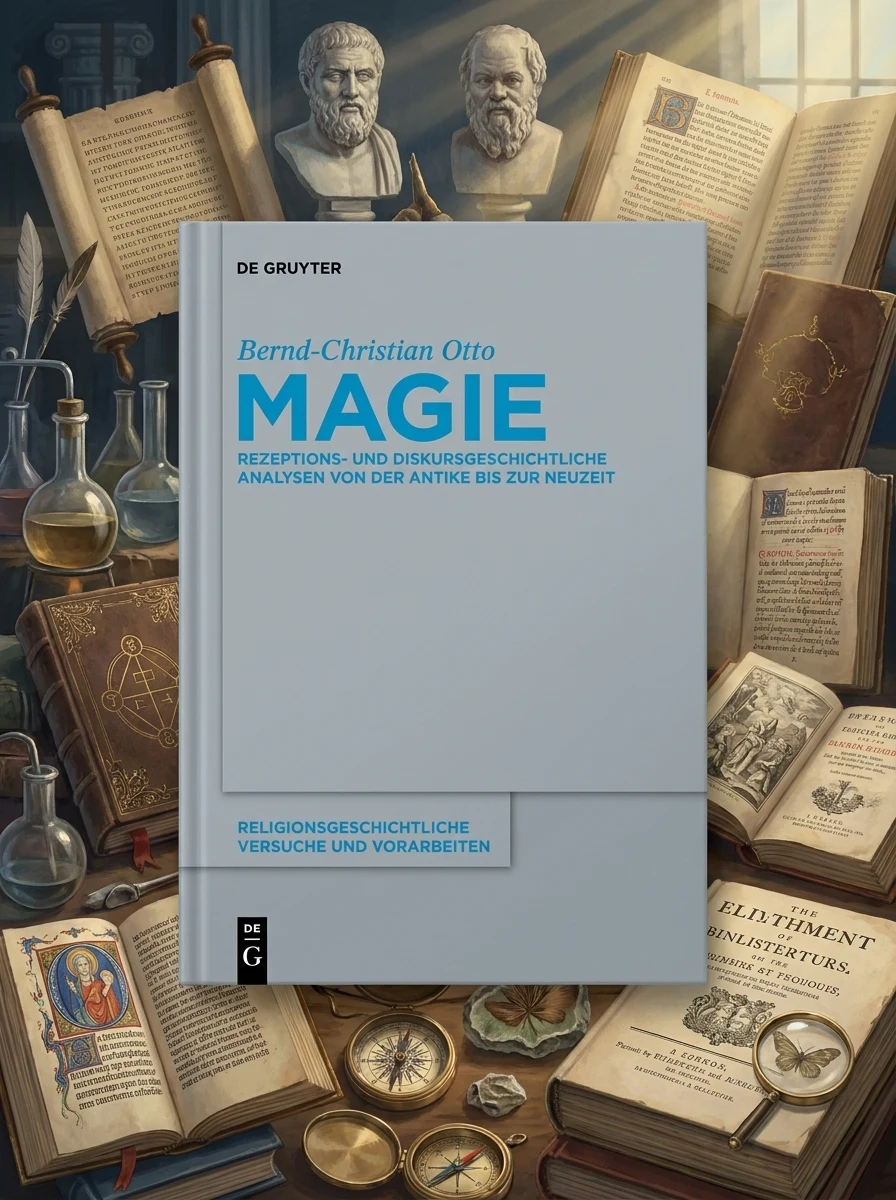
This rigorous academic study dismantles the stagnant debate surrounding the definition of magic by tracing its evolution over 2,500 years. Rather than seeking a single essence, the author employs philological-historiographical methods to map how ancient poets, early modern humanists, and Enlightenment thinkers constructed the concept. The work reveals how 'magic' served as a boundary marker for religious identity and norm formation in Western traditions, offering a pluralistic framework that honors the term's diverse historical valuations and functions.
This scholarly volume sits firmly within the academic study of religious history and philology, contributing to the broader discourse on how Western intellectual traditions have historically defined and policed the boundaries of the supernatural.


📝 Description: Magie - Ingram Academic Otto, Bernd-Christian
💎 Expert review
📖 Why choose it
Why this book is worth reading
Scholars and serious students of esoteric history will find this text invaluable for its rigorous dismantling of stagnant debates regarding the definition of magic. By tracing the concept's evolution over two millennia, Bernd-Christian Otto provides a pluralistic framework that honors diverse historical valuations rather than forcing a single essence. Readers seeking to understand how 'magic' served as a boundary marker for religious identity and norm formation will appreciate this deep philological-historiographical approach. It offers clarity to those tired of essentialist arguments, revealing instead how ancient poets, humanists, and Enlightenment thinkers constructed the term. This work is essential for anyone wishing to grasp the shifting shadow of magic across theology and thought without falling into simplistic binaries.
⭐ Reader reviews
Reader rating
Exactly what I was looking for. It connects ideas I'd only seen treated separately elsewhere. Great value for what you get.
Otto’s work is a dense, rigorous academic study that demands patience from its audience. It successfully maps how 'magic' evolved as a concept, serving as a boundary marker for religious identity in Western traditions through philological-historiographical methods. However, this text does not suit casual readers or those seeking practical occult instructions or mystical experiences. It is strictly an intellectual exercise in defining terms rather than exploring their practice. Readers expecting a narrative history or accessible entry point into ceremonial magic will likely find the academic tone dry and unengaging. It is best reserved for specialists in religious studies, historians of ideas, and theologians interested in the historiography of the occult.
❓ Frequently asked questions
📖 Who should read this
Scholars of comparative religion and theology seeking to understand how the concept of magic was constructed to define orthodoxy, heresy, and cultural identity in the West.
🎯 Key themes and symbolism
Historiography of Religion
Theological Boundaries
Philological Analysis
💬 Quotes from the book
“The study does not conclude with the identification of a core essence.”
“It establishes a new field of research accounting for pluralistic historical meanings.”
📜 Historical context
📚 Glossary
- Philological-Historiography
- Boundary-Marking
- Essentialism
📔 Questions to reflect on
- How does the label 'magic' change when applied by an insider versus an outsider?
- In what ways does defining something as 'magical' serve to protect or attack religious authority?
- Can a concept retain its identity if its definition is entirely fluid across history?
✍️ More books by this author Otto, Bernd-Christian
All books by this author →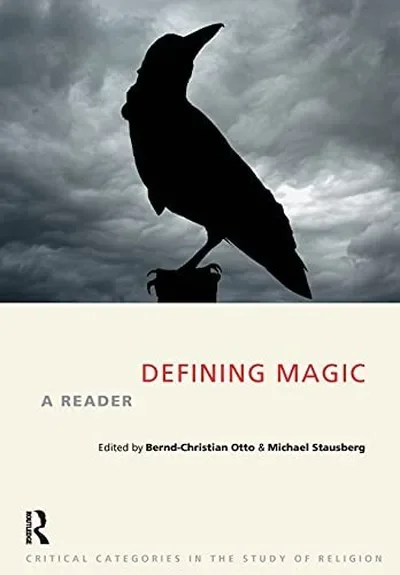
🏛 Books from this publisher de Gruyter
All books from this publisher → 83
83
You might also like
See more →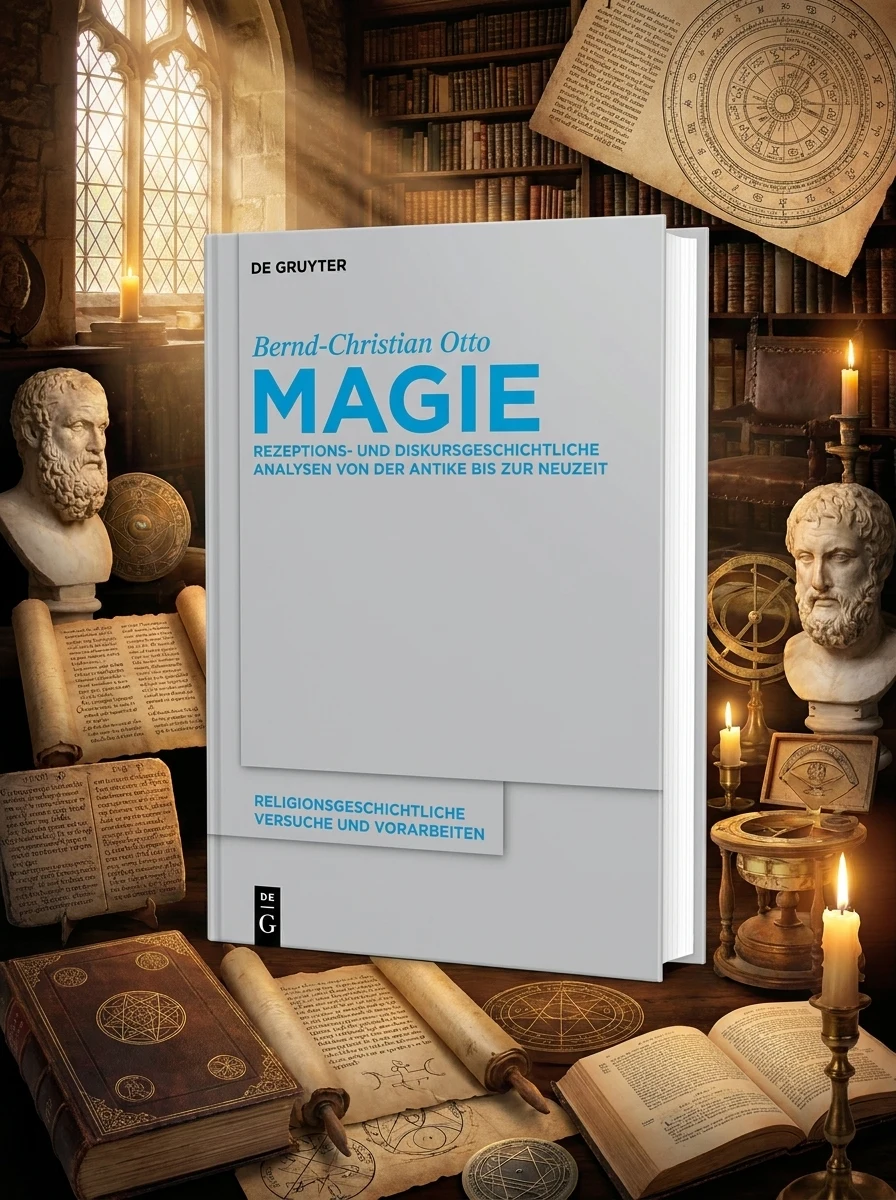
 91
91
 91
91