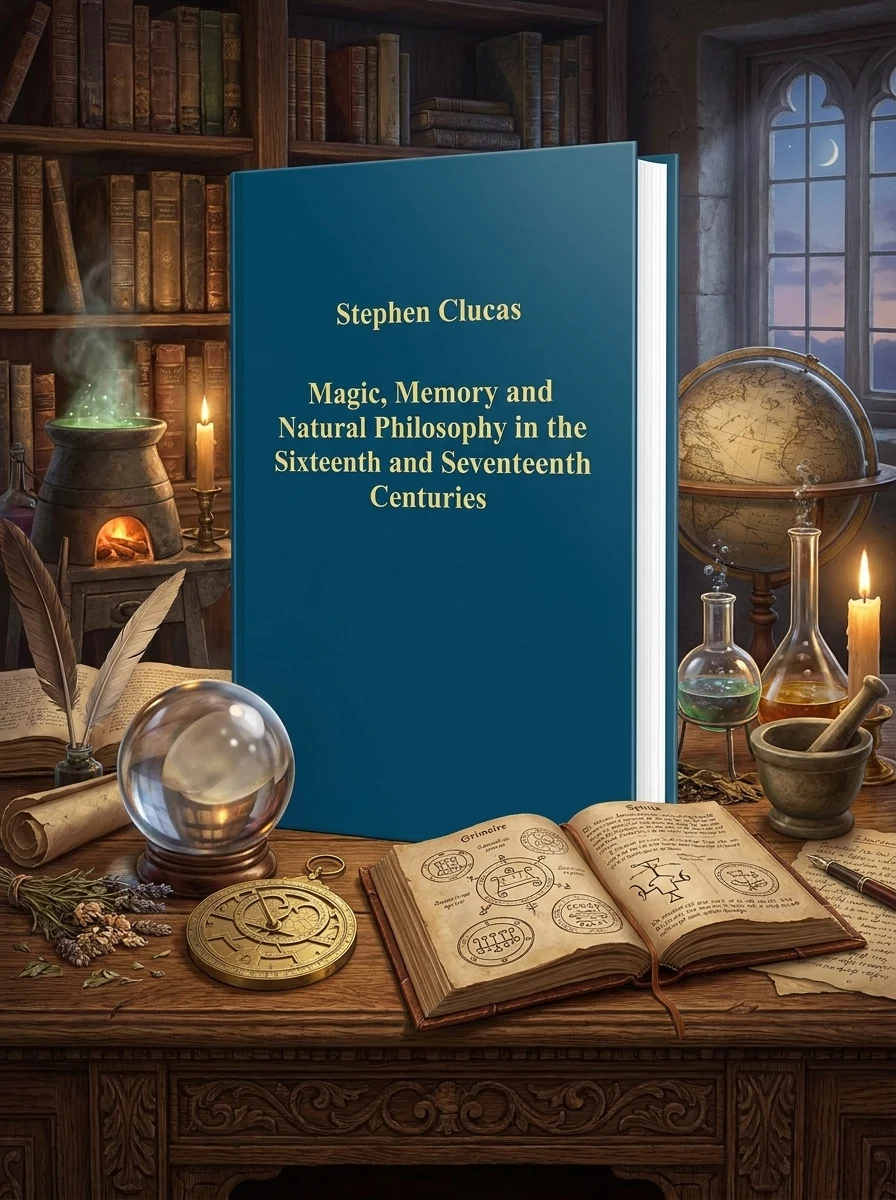
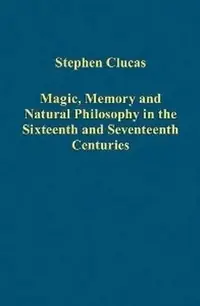
Magic, Memory and Natural Philosophy in the Sixteenth and Seventeenth Centuries Clucas, Stephen
Clucas, Stephen 82
82
 Editorial score
How we rate
Editorial score
How we rate
This edition can be ordered. No arrival date is confirmed.
Unlock the hidden alchemy of early modern minds where spirit, science, and magic bled into one another.
Stephen Clucas meticulously traces the porous boundaries between natural philosophy and the occult in sixteenth- and seventeenth-century Europe. Through detailed essays, he reveals how John Dee’s angelic communications were rooted in medieval traditions yet weaponized for religious agendas. The collection reevaluates Giordano Bruno’s memory arts, showing their profound impact on English intellection. Furthermore, it uncovers a distinct English corpuscularian tradition within the Northumberland and Cavendish circles before Gassendi’s influence. Finally, Clucas illuminates the tripartite interplay of religion, alchemy, and science in Samuel Hartlib’s Puritan networks, offering a fresh lens on this era’s intellectual ferment.
This volume explores the intellectual ferment of sixteenth- and seventeenth-century Europe, specifically examining the porous boundaries between natural philosophy and occult traditions during this era of scientific and religious transition.


📝 Description: Magic, Memory and Natural Philosophy in the Sixteenth and Seventeenth Centuries Clucas, Stephen
💎 Expert review
📖 Why choose it
Why this book is worth reading
Scholars and enthusiasts of early modern intellectual history will find this collection indispensable for its nuanced mapping of how spirit, science, and magic intertwined. Clucas offers a fresh lens on the English corpuscularian tradition within the Northumberland and Cavendish circles, revealing depths often overlooked in standard histories. Readers interested in the complex religious agendas behind John Dee’s angelic communications or the profound impact of Giordano Bruno’s memory arts on English thought will gain significant insight. It is essential for understanding the Puritan networks of Samuel Hartlib and the tripartite interplay of religion, alchemy, and science that defined the period's unique mental landscape.
⭐ Reader reviews
Reader rating
Been hunting for a decent copy of this text for ages. The typesetting is comfortable for study, with good margins for notes.
This has been on my wishlist for months. It reads better in small doses — a chapter at a time with notes. You can tell why this work has endured. Will be gifting a copy to a friend.
Came across this title in a footnote and had to track it down. Solid binding, decent paper — holds up to heavy use. One of my better finds this year.
Needed this for my research. The symbolism is layered and generous to patient readers. It rewards patience more than any book I've bought this year. My only regret is not ordering it sooner.
Clucas provides a meticulous, essay-based examination of the intellectual currents shaping early modern Europe, particularly focusing on English circles. While the analysis of John Dee’s weaponized traditions and Bruno’s memory arts is rigorous and illuminating, this work demands serious academic engagement. It is not suitable for casual readers seeking narrative storytelling or those expecting a straightforward history of magic without philosophical depth. The dense focus on specific intellectual networks like Hartlib’s Puritan circles may alienate those looking for broader cultural overviews rather than specialized scholarly discourse on the era's scientific and occult intersections.
❓ Frequently asked questions
📖 Who should read this
Scholars of early modern science, historians of magic, and practitioners interested in the historical roots of memory techniques and angelic evocation will find this essential. It bridges the gap between mystical practice and scientific development.
🎯 Key themes and symbolism
Renaissance Hermeticism
Corpuscularian Physics
Puritan Alchemy
💬 Quotes from the book
“Dee's angelic conversations owed a significant debt to medieval magical traditions while serving specific religious agendas.”
“A distinct English corpuscularian tradition existed prior to Gassendi's influence in the 1640s and 50s.”
📜 Historical context
📚 Glossary
- Corpuscularianism
- Lullist
- Intelligencer
📔 Questions to reflect on
- How did the boundary between 'magic' and 'science' serve the religious agendas of the 17th century?
- In what ways do Bruno's memory arts reflect a desire to control knowledge rather than just recall it?
- How might the 'Intelligencer' network of Hartlib parallel modern information exchange in scientific communities?
✍️ More books by this author Clucas, Stephen
All books by this author →
🏛 Books from this publisher Routledge
All books from this publisher →
 89
89
You might also like
See more → 91
91
 91
91
 88
88