Carl Gustav Jung
Carl Gustav Jung lived from July twenty-sixth, eighteen seventy-five to June sixth, nineteen sixty-one. He operated as a Swiss psychotherapist, psychiatrist, and psychologist who created analytical psychology. During his career, he worked at the Burghölzli psychiatric hospital situated in Zurich under Eugen Bleuler. He forged a close connection with Sigmund Freud, who headed psychoanalysis, and the pair maintained an extensive exchange of letters about human psychology. Freud positioned the younger thinker as his successor and arranged his appointment to lead the International Psychoanalytical Association. Divergent perspectives eventually created a rift between them, prompting Jung to build analytical psychology as an independent system.
The thinker introduced several foundational ideas including the collective unconscious, synchronicity, psychological complexes, archetypal phenomena, and the division between introversion and extraversion. His framework centers on individuation, which represents the lifelong process where the self develops from conscious and unconscious components as the primary objective of human growth. Beyond theory, his interaction with American politician and businessman Rowland Hazard in nineteen twenty-six involved arguing that recovery from alcoholism required a significant spiritual or religious awakening, which subsequently helped inspire the creation of Alcoholics Anonymous.
His intellectual legacy expanded across psychiatry, archaeology, literature, religious studies, anthropology, and philosophy, generating substantial academic and public interest. As an author, he produced more than twenty books alongside personal artwork, craft projects, and architecture, with several writings remaining unpublished until after his passing. Visitors exploring esoteric traditions frequently encounter his theories because his explorations of the psyche bridge inner spiritual exploration with formal psychological structures.
Readers perusing mystical texts find his focus on the hidden layers of the mind highly relevant to esoteric inquiry. His examination of religious traditions viewed spiritual systems as manifestations of the human psyche seeking ultimate meaning rather than adhering to rigid dogma. This perspective offers seekers a bridge between modern psychological science and ancient mystical traditions.
Your vision will become clear only when you can look into your own heart. Without, everything seems discordant; only within does it coalesce into unity. Who looks outside dreams; who looks inside awakes.
This whole creation is essentially subjective, and the dream is the theater where the dreamer is at once scene, actor, prompter, stage manager, author, audience, and critic.
The dream is the small hidden door in the deepest and most intimate sanctum of the soul, which opens to that primeval cosmic night that was soul long before there was conscious ego and will be soul far beyond what a conscious ego could ever reach.
Emotion is the chief source of all becoming-conscious. There can be no transforming of darkness into light and of apathy into movement without emotion.
The unconscious is not just evil by nature, it is also the source of the highest good: not only dark but also light, not only bestial, semihuman, and demonic but superhuman, spiritual, and, in the classical sense of the word, "divine."
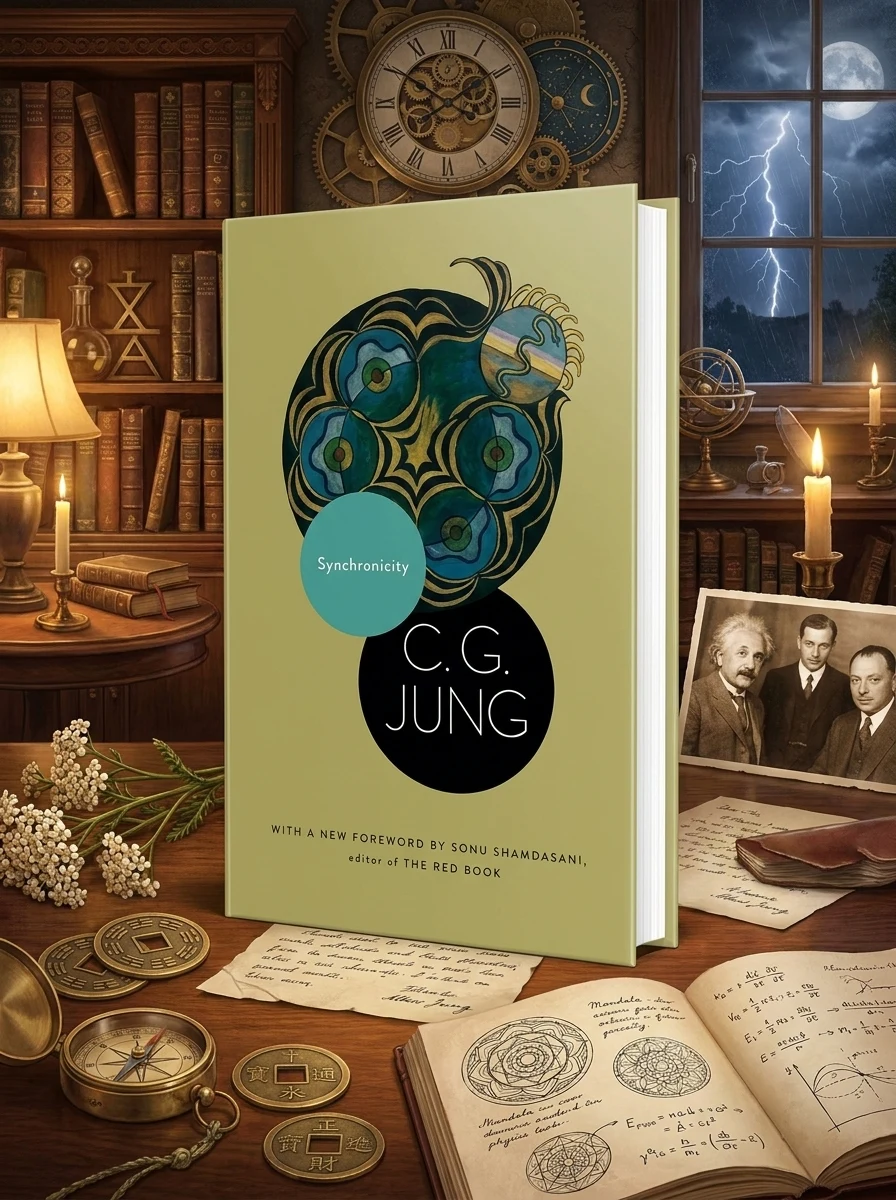
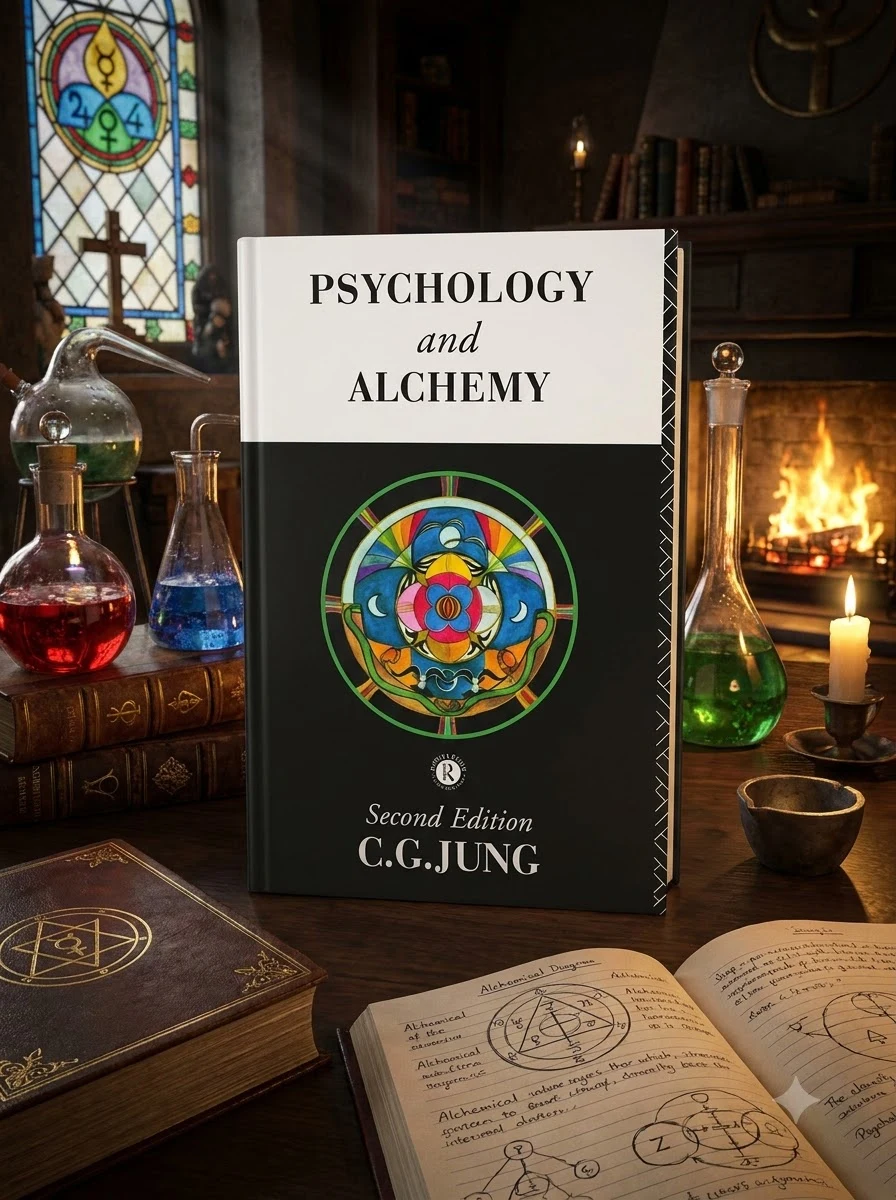
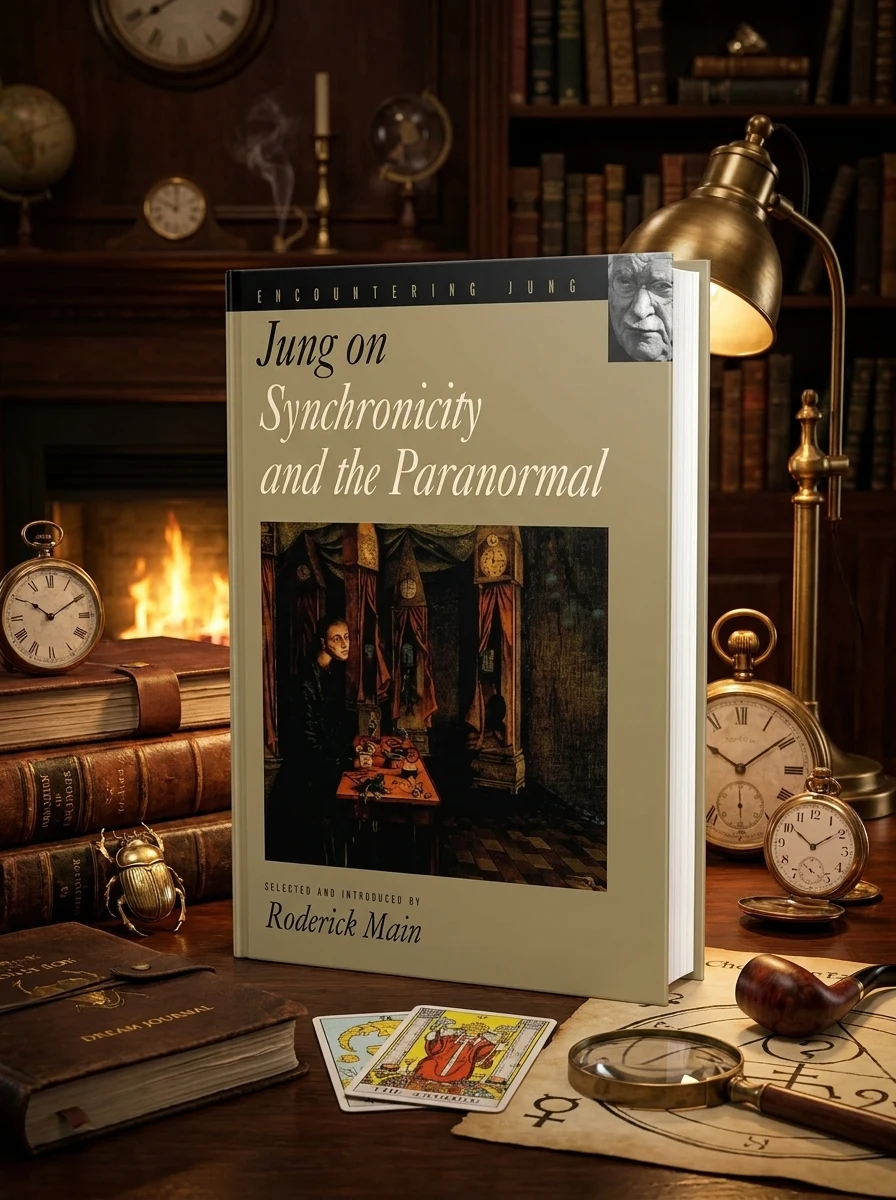
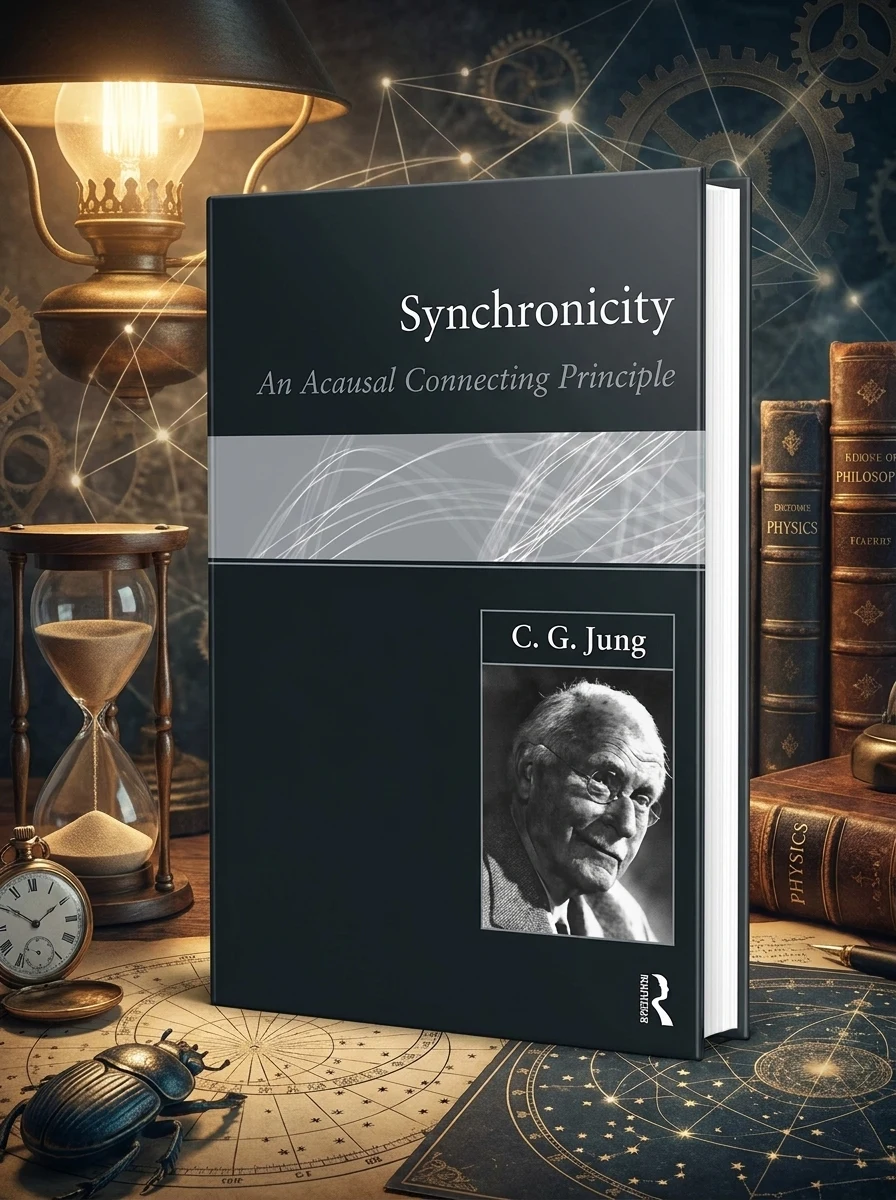
Books by and about Carl Gustav Jung



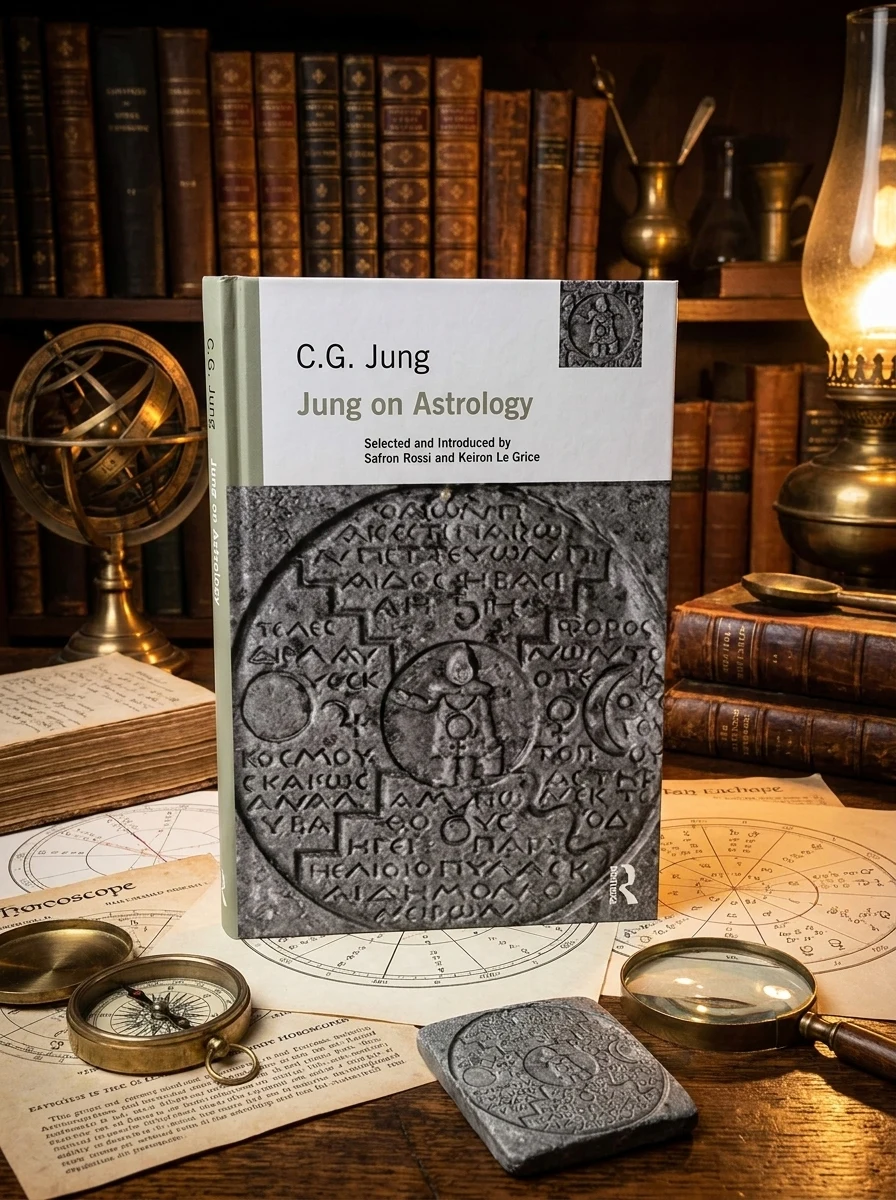
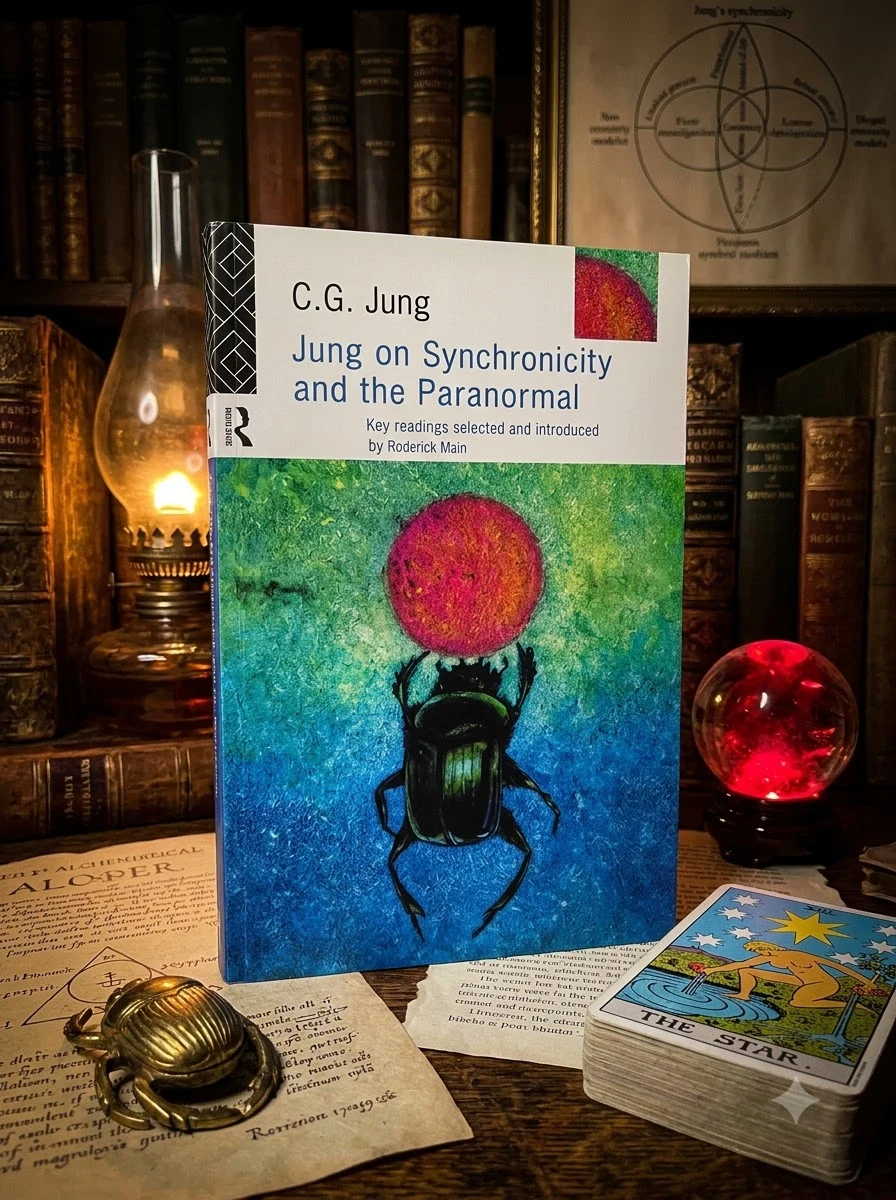

We can never legitimately cut loose from our archetypal foundations unless we are prepared to pay the price of a neurosis, any more than we can rid ourselves of our body and its organs without committing suicide.
The meeting of two personalities is like the contact of two chemical substances: if there is any reaction, both are transformed.
All ages before ours believed in gods in some form or other. Only an unparalleled impoverishment in symbolism could enable us to rediscover the gods as psychic factors, which is to say, as archetypes of the unconscious. No doubt this discovery is hardly credible as yet.
Without consciousness there would, practically speaking, be no world, for the world exists as such only in so far as it is consciously reflected and considered by a psyche. Consciousness is a precondition of being.
As far as we can discern, the sole purpose of human existence is to kindle a light in the darkness of mere being.
