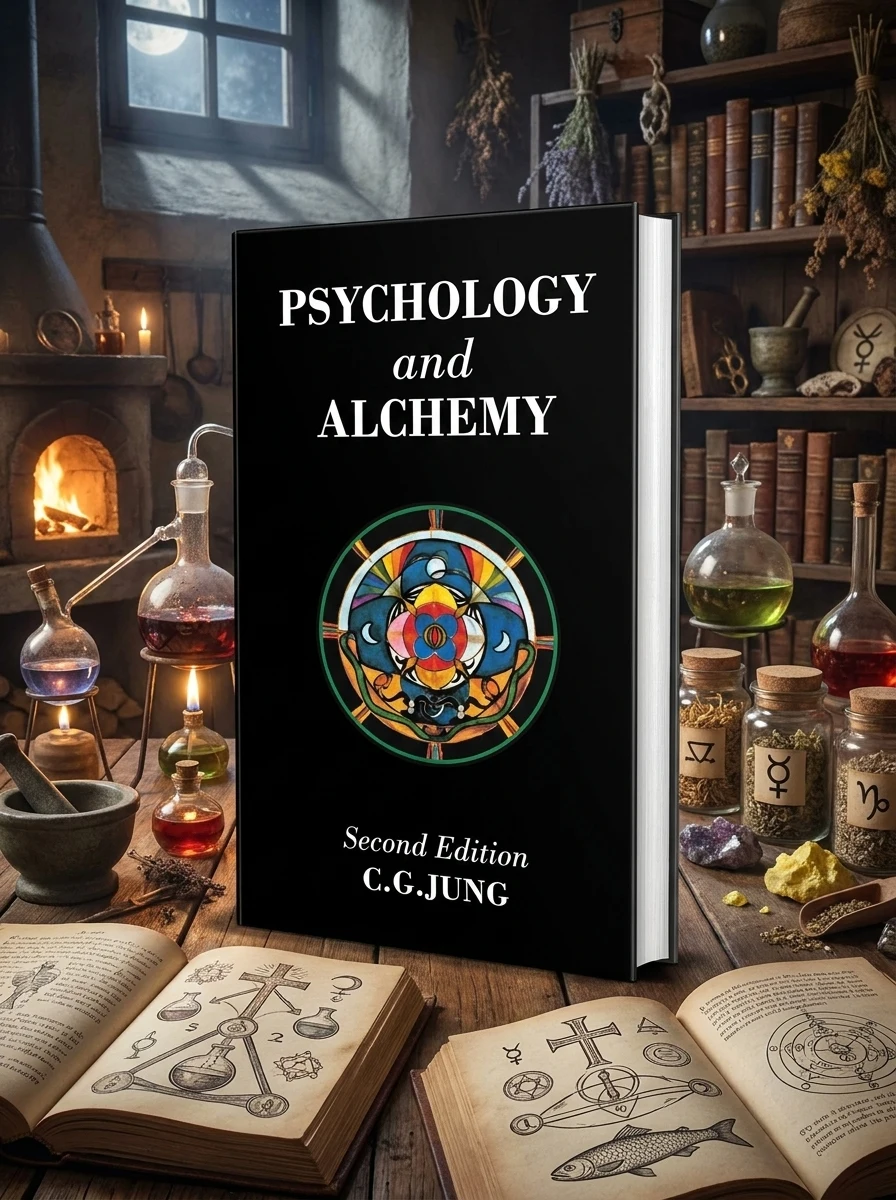
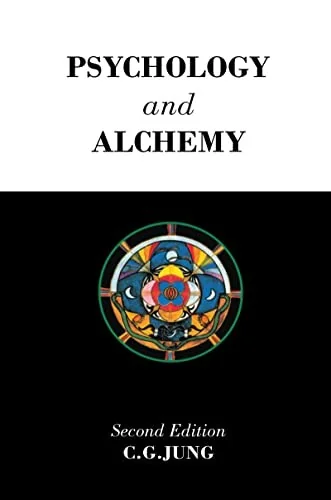
Psychology and Alchemy Jung, C G
✍️ Jung, C GSwiss psychiatrist Carl Jung links chemical and mystical alchemy to his theory of the collective unconscious.
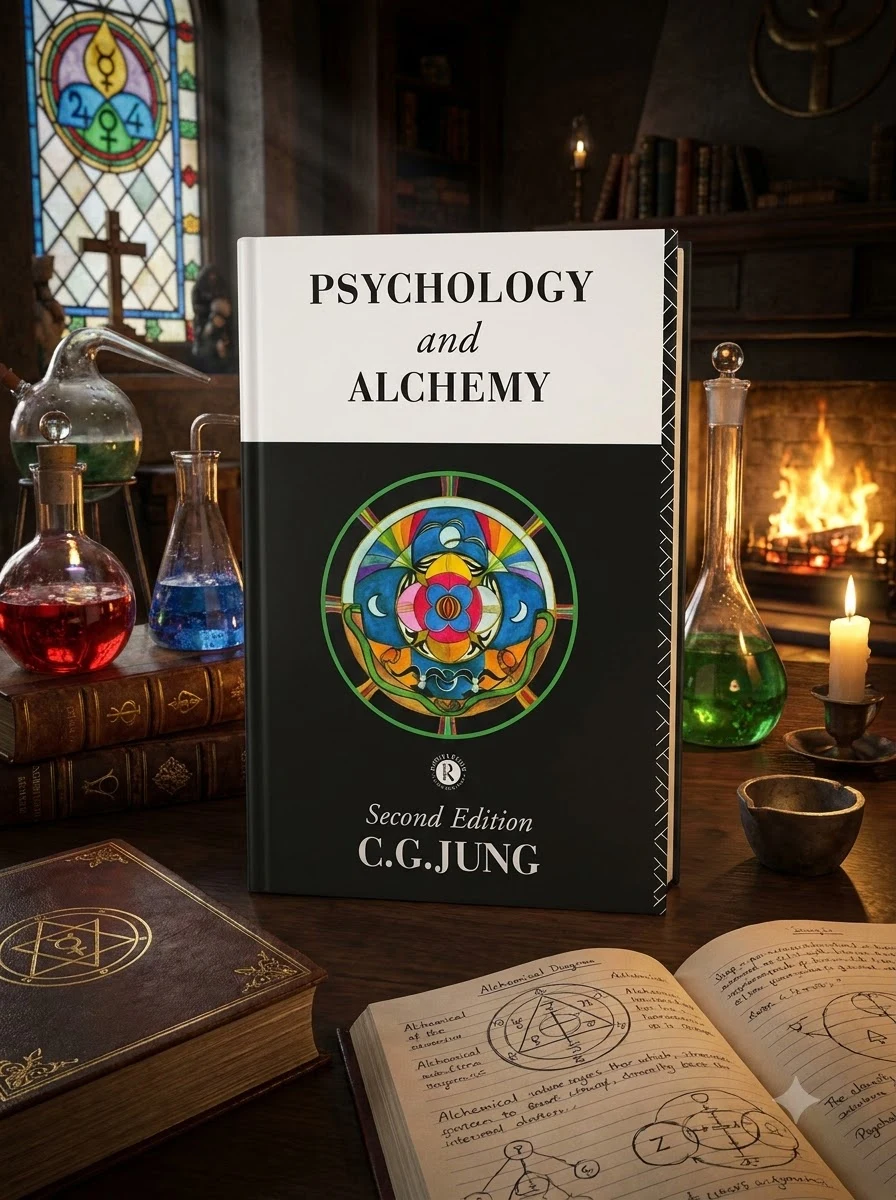
Carl Gustav Jung, a Swiss psychiatrist, psychotherapist, and psychologist who founded analytical psychology, spent his entire life authoring foundational books and examining human nature. In this volume published by Routledge, Jung presents alchemy as central to his hypothesis of the collective unconscious. He opens the text with an outline of the process and aims of psychotherapy before working out the detailed analogies between alchemy, Christian dogma and symbolism, and his analytical process. Jung introduces the basic concepts of alchemy by reminding readers of its dual nature: a chemical process running parallel to a mystical component. He also discusses the deliberate mystification practiced by early alchemists. Using the alchemical process to provide insights into individuation, Jung emphasizes how alchemy reveals the transcendent nature of the human psyche. This six-hundred-twenty-four-page hardcover volume suits readers seeking a technical study of Jungian psychotherapy, Christian symbolism, and occultism. It does not suit those looking for basic practical guides or modern spellcasting manuals, as it focuses strictly on psychological theory, analytical methods, and historical mystical concepts.
Written by Swiss psychiatrist Carl Gustav Jung, the founder of analytical psychology who lived from 1875 to 1961, this text examines historic alchemical traditions, Christian dogma, and modern psychotherapeutic analytical processes within twentieth-century psychological study.


📝 Description: Psychology and Alchemy Jung, C G
💎 Expert review
📖 Why choose it
Why this book is worth reading
Readers fascinated by the hidden psychological depths of ancient symbols will find profound value in this text. It is essential for those seeking to understand the esoteric roots of depth psychology and the therapeutic journey. Jung reveals how alchemical experiments were projections of inner states, offering a historical lens for the human psyche. If you are interested in the transcendent dimensions of your inner world and the connection between Christian symbolism and psychological transformation, this guide is indispensable for grasping these complex, interconnected realms.
⭐ Reader reviews
Reader rating
Jung masterfully unpacks alchemy's symbolic language, linking it to individuation and the collective unconscious. While intellectually rigorous and illuminating regarding the psyche's dual nature, this book demands serious engagement with dense theoretical concepts. It does not suit readers seeking practical chemical instructions or light, accessible pop-psychology. Those expecting straightforward historical accounts of laboratory techniques may find the focus on psychological projection disorienting. However, for those willing to navigate its complex parallels between alchemical transformations and inner life, it offers an unparalleled perspective on the transcendent aspects of human experience.
❓ Frequently asked questions
📖 Who should read this
If you're drawn to the intersection of ancient esoteric traditions, depth psychology, and the symbolic language of the soul, this book is essential. Readers seeking to understand the historical and mystical underpinnings of Jungian thought will find it an unparalleled and profoundly insightful journey.
🎯 Key themes and symbolism
Alchemy as Unconscious Map
Jung demonstrates how the intricate processes and imagery of alchemy serve as a symbolic representation of the collective unconscious. He argues that alchemical texts, with their seemingly obscure jargon, are in fact a historical record of psychological transformations, offering a rich lexicon for understanding the archetypal patterns that shape human experience beyond individual consciousness.
Psychotherapy's Alchemical Mirror
This volume extensively explores the analogies between the stages of alchemical transformation and the process of psychotherapy. Jung illuminates how the alchemists' quest for the 'Philosopher's Stone' mirrors the analytic journey towards psychological integration, providing a framework for understanding the often-mystifying, yet profoundly transformative, experiences encountered during personal analysis and healing.
Individuation's Esoteric Path
Jung places alchemy squarely at the center of his concept of individuation, the lifelong process of psychological differentiation and integration. He reveals how the alchemical pursuit of wholeness—uniting opposites, refining the base into the noble—provides a powerful, ancient metaphor for the psyche's inherent drive towards self-realization and the emergence of the true, complete self.
📜 Historical context
📚 Glossary
- Collective Unconscious
- Individuation
- Alchemical Mystification
📔 Questions to reflect on
- Reflect on a significant personal transformation you've experienced. Can you identify 'alchemical stages' (e.g., dissolution, purification, conjunction) within your own journey?
- Consider a recurring symbol or dream image from your life. What alchemical parallels might it suggest, and what 'dual nature' (both concrete and symbolic) might it hold for you?
- Jung suggests alchemy reveals the 'transcendent nature of the psyche.' How do you personally define or experience the 'transcendent' within your own psychological landscape?