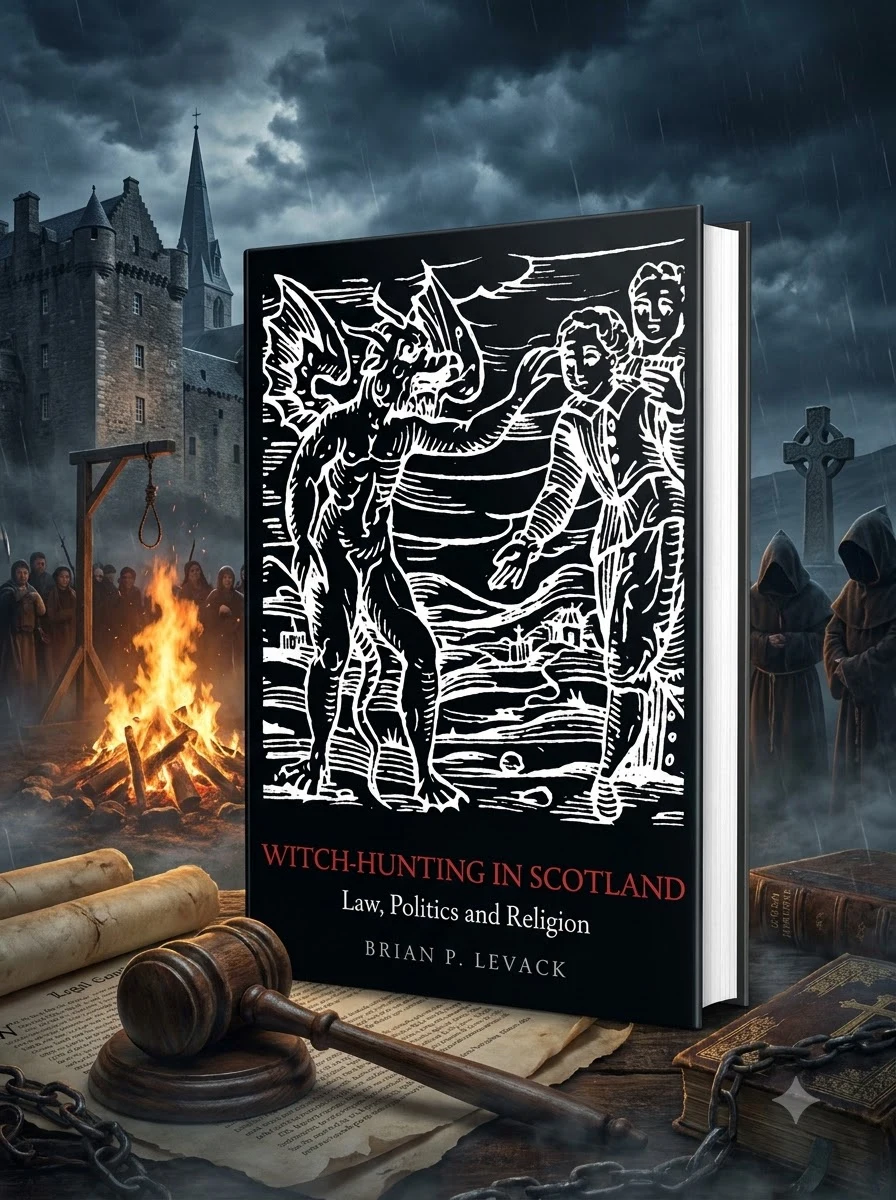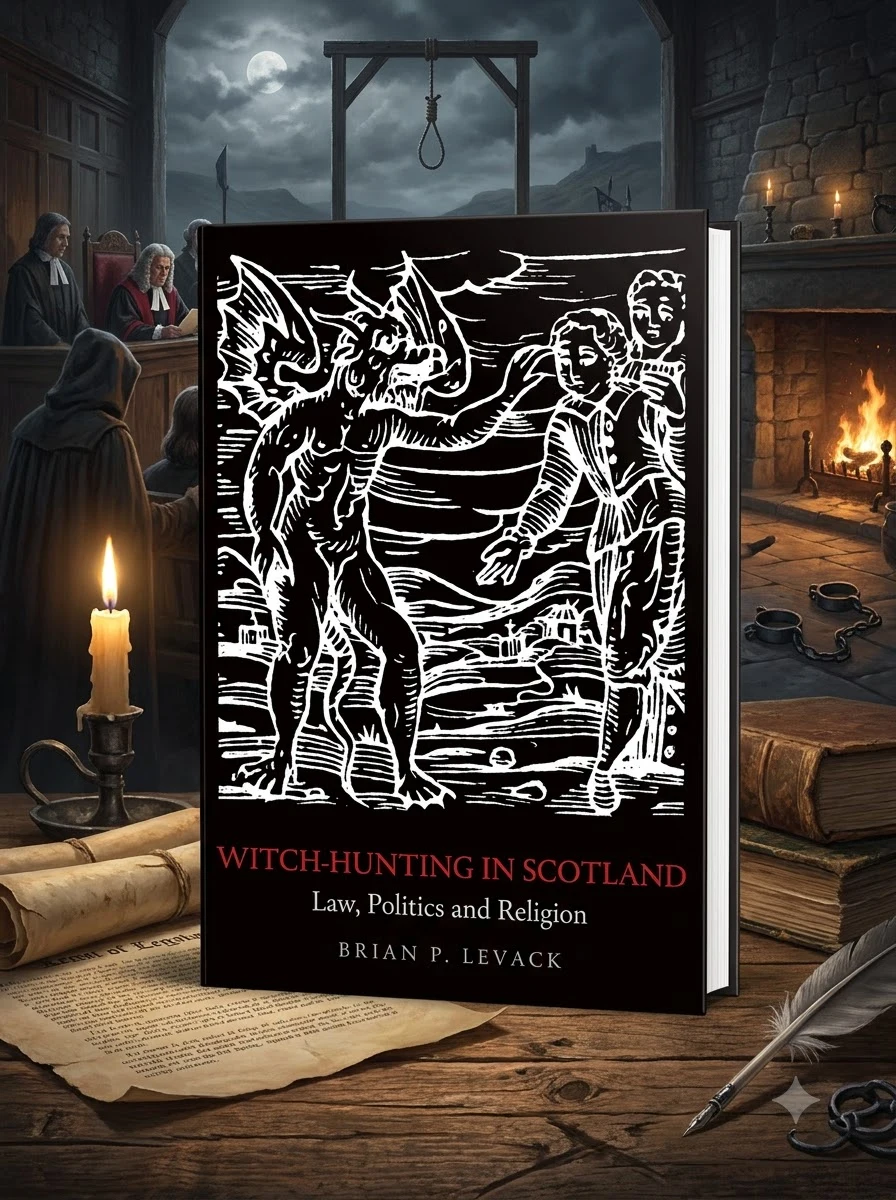
Witch-Hunting in Scotland: Law, Politics and Religion
Levack, Brian PStock reported in the catalog; fulfillment is confirmed with your request.
Uncover the chilling machinery behind Scotland's notorious witch trials.
Brian P. Levack meticulously dissects the harrowing era of Scottish witch-hunting, exploring the legal, political, and religious forces that fueled the prosecution and execution of countless individuals. This essential volume illuminates the intricate mechanisms behind accusations of malevolent magic and infernal pacts. From the unique Scottish justice system and the use of torture to the intertwined roles of state-building, Calvinism, and the zealous clergy, Levack offers a compelling narrative. He skillfully combines overarching interpretations with detailed case studies, providing a profound understanding of this dark chapter in history.
This scholarly work situates itself within the rigorous academic study of early modern European history, specifically examining the legal and religious underpinnings of the Scottish witch trials. It serves as a critical resource for understanding the intersection of state-building, Calvinist theology, and judicial procedure during this tumultuous period.


📝 Description: Witch-Hunting in Scotland: Law, Politics and Religion
💎 Expert review
📖 Why choose it
Why this book is worth reading
Readers seeking a profound, evidence-based understanding of how institutional forces shaped one of history’s most tragic chapters will find immense value here. This book is essential for those interested in the mechanics of power, specifically how law, politics, and zealous clergy collaborated to fuel prosecutions. It offers a compelling narrative that moves beyond mere sensationalism to reveal the chilling machinery behind these events. By combining overarching interpretations with detailed case studies, Levack provides clarity on the complex drivers of fear and persecution. It is ideal for historians, legal scholars, and serious students of esoteric history who wish to grasp the intricate mechanisms of accusation and execution in early modern Scotland.
⭐ Reader reviews
Reader rating
Levack delivers a meticulous dissection of the Scottish witch-hunting era, illuminating the legal and religious forces that fueled countless executions. The text is dense with analysis of the unique justice system, torture practices, and the state-building process under Calvinism. While it offers profound historical insight through detailed case studies, it is not suited for readers seeking a light narrative or supernatural folklore. It demands patience and academic focus from those unaccustomed to rigorous historical critique. Readers looking for entertaining ghost stories or simple condemnations without nuance will likely find this volume too dry and complex. It is strictly for those willing to engage with the harrowing reality of institutional persecution.
❓ Frequently asked questions
📖 Who should read this
If you're drawn to the chilling history of witchcraft, the intricate workings of early modern law, or the profound impact of religious fervor on society, this book offers an unparalleled examination. It’s perfect for anyone seeking a deep, scholarly dive into Scotland's harrowing past.
🎯 Key themes and symbolism
Scottish Justice and Torture
This book delves into the distinctive features of Scotland's criminal justice system during the witch hunt era. It meticulously details how legal procedures were manipulated and, crucially, the widespread reliance on brutal torture methods to extract confessions, often leading to false admissions and tragic convictions.
Politics and Witchcraft
Levack reveals the deep connections between the persecution of alleged witches and the political landscape of early modern Scotland. The text explores how local and national politics influenced accusations and trials, examining the role of state-building efforts and the significant impact of figures like James VI on the intensity of these purges.
Calvinist Zealotry
The author scrutinizes the profound influence of Scottish Calvinism on the witch-hunts. It highlights how the fervent desire of the clergy and magistrates to establish a "godly society" drove the relentless pursuit of those deemed to be in league with the devil, shaping the moral and religious justifications for the prosecutions.
💬 Quotes from the book
“The Scottish criminal justice system, with its inquisitorial leanings and emphasis on confession, proved uniquely fertile ground for the escalation of witchcraft accusations.”
“James VI's fervent belief in the reality of diabolical conspiracy significantly shaped the legislative and judicial intensity applied to alleged practitioners of maleficent arts.”
📜 Historical context
📚 Glossary
- Maleficent Magic
- Devil's Pact
- Godly Society
📔 Questions to reflect on
- How did the specific legal and political structures of 17th-century Scotland contribute to the unique intensity of its witch hunts compared to other European nations?
- Reflect on the role of religious zeal, particularly Calvinism, in defining both the accusations of witchcraft and the societal drive to prosecute those deemed 'unholy.'
- Consider the ethical implications of using torture to extract confessions in historical judicial systems. How does this practice distort justice and historical truth?
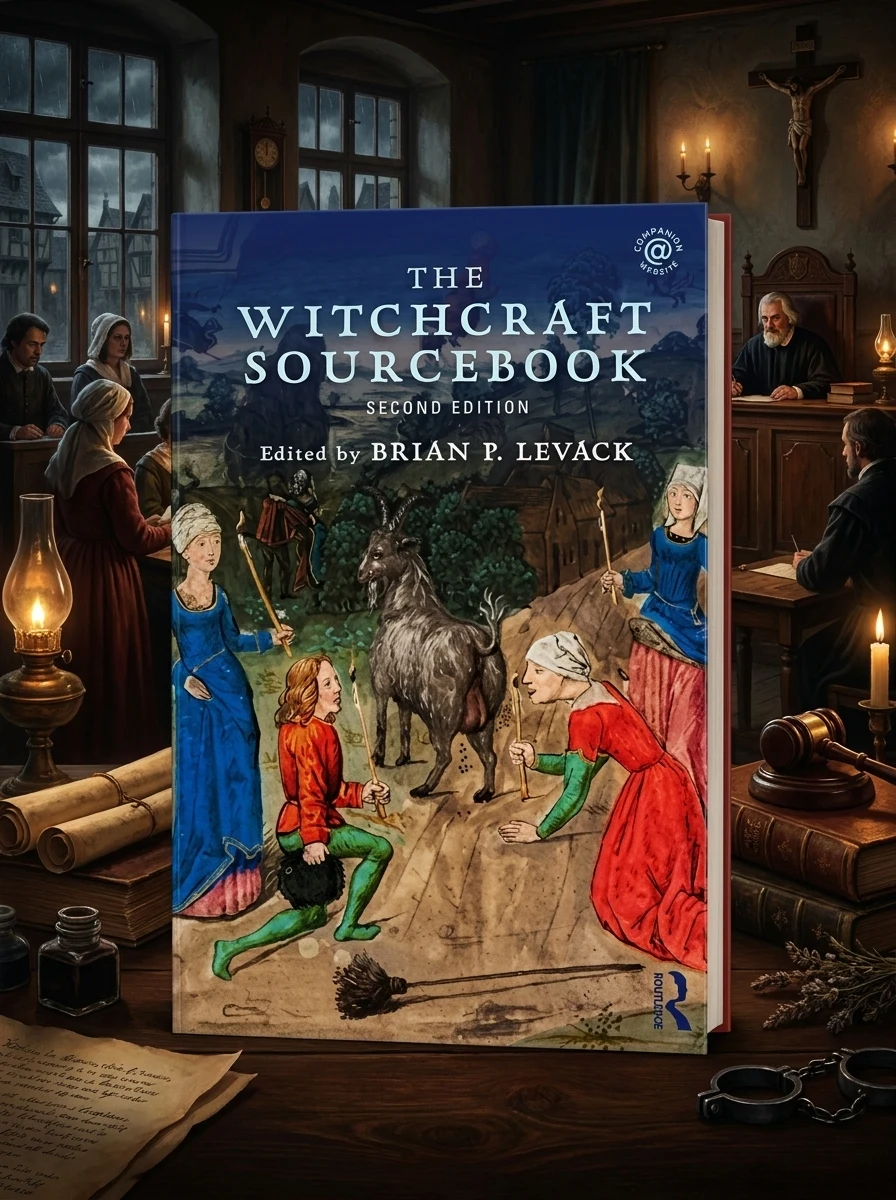
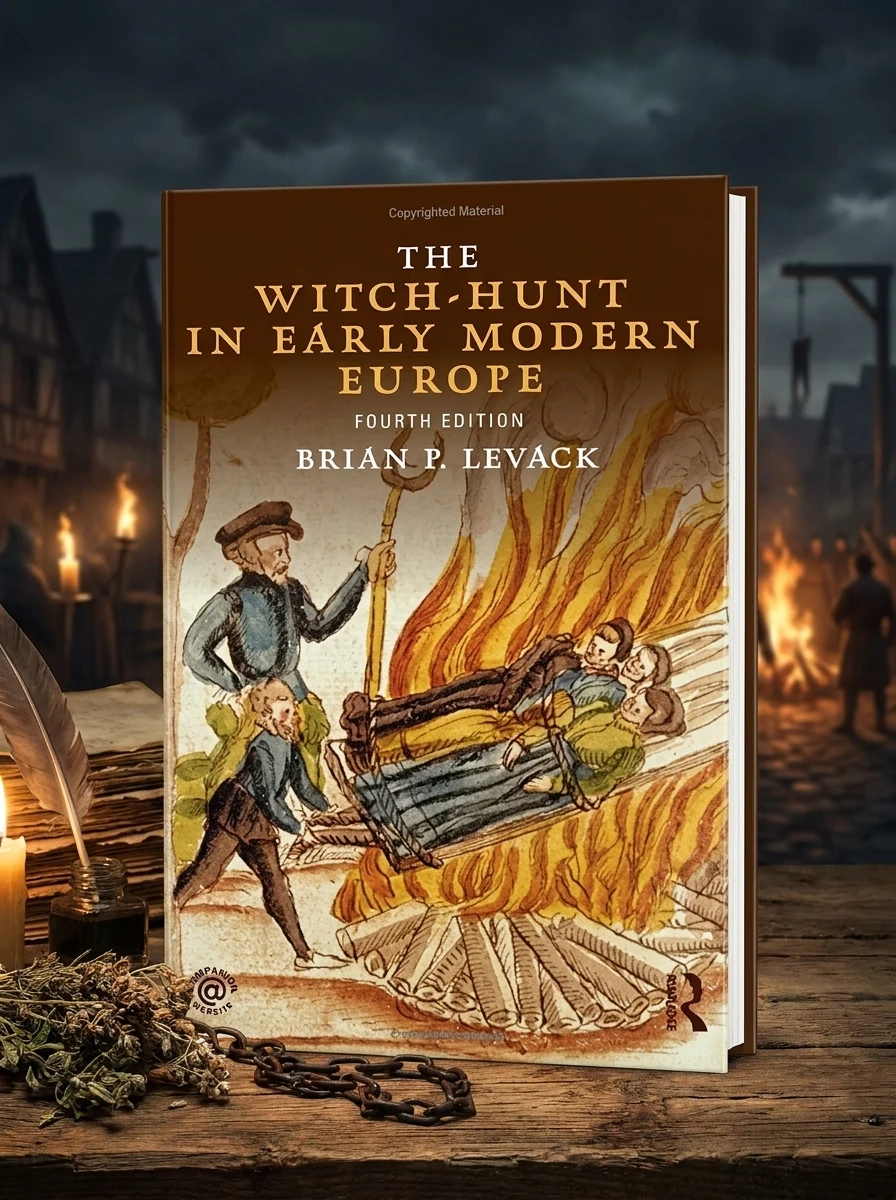
✍️ More books by this author Levack, Brian P
All books by this author →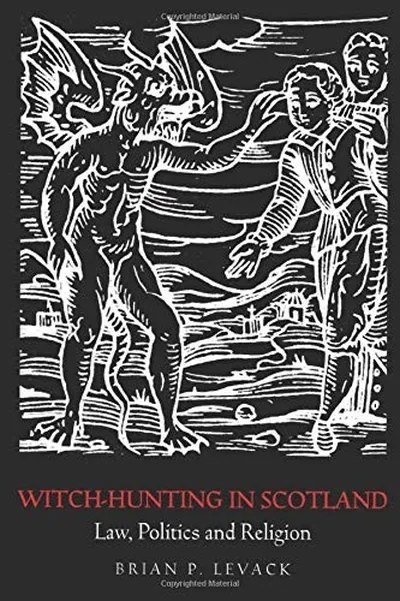
 89
89
🏛 Books from this publisher Routledge
All books from this publisher →
 89
89

You might also like
See more → 89
89
 83
83
 82
82