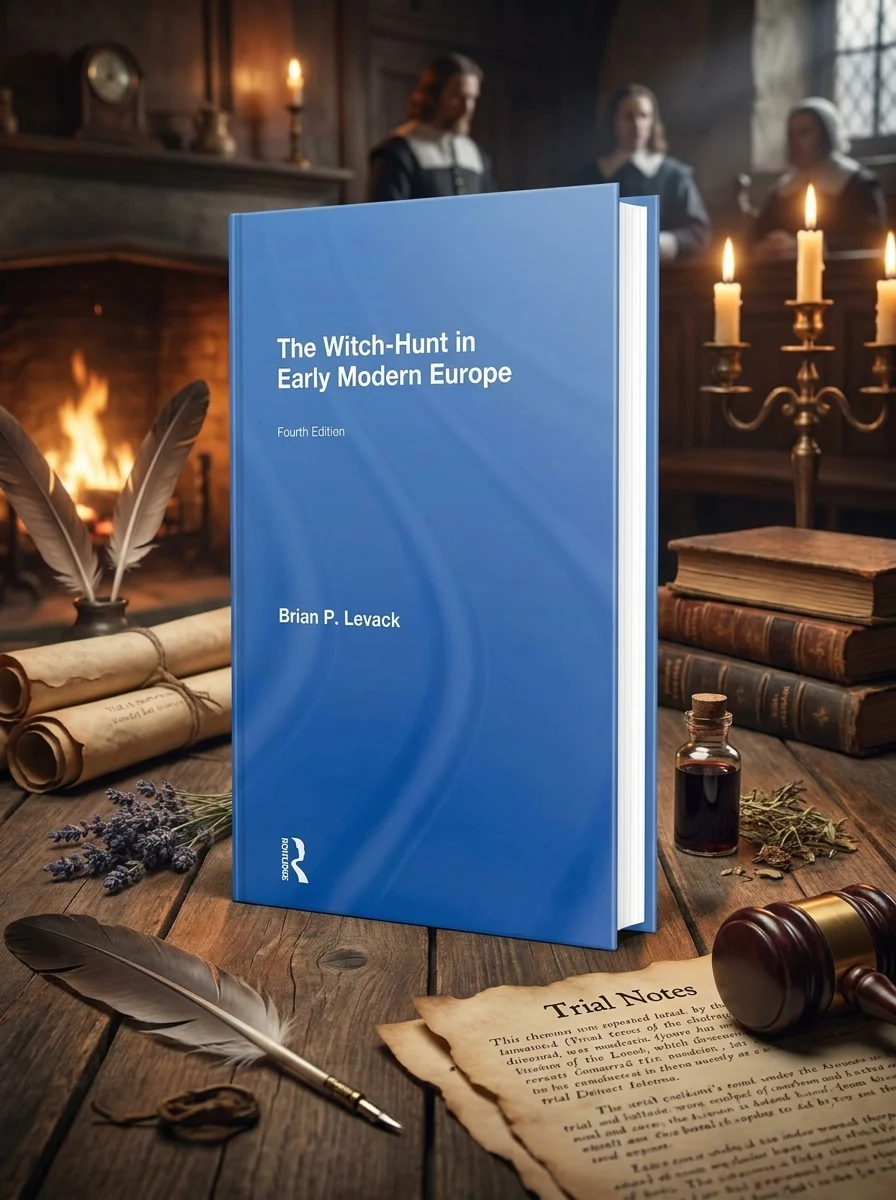
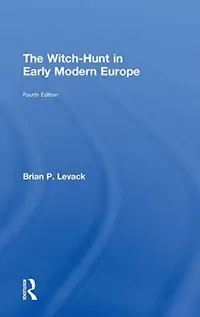
The Witch-Hunt in Early Modern Europe
Levack, Brian P 89
89
 Editorial score
How we rate
Editorial score
How we rate
Stock reported in the catalog; fulfillment is confirmed with your request.
Uncover the chilling truth behind Europe's era of witch hunts.
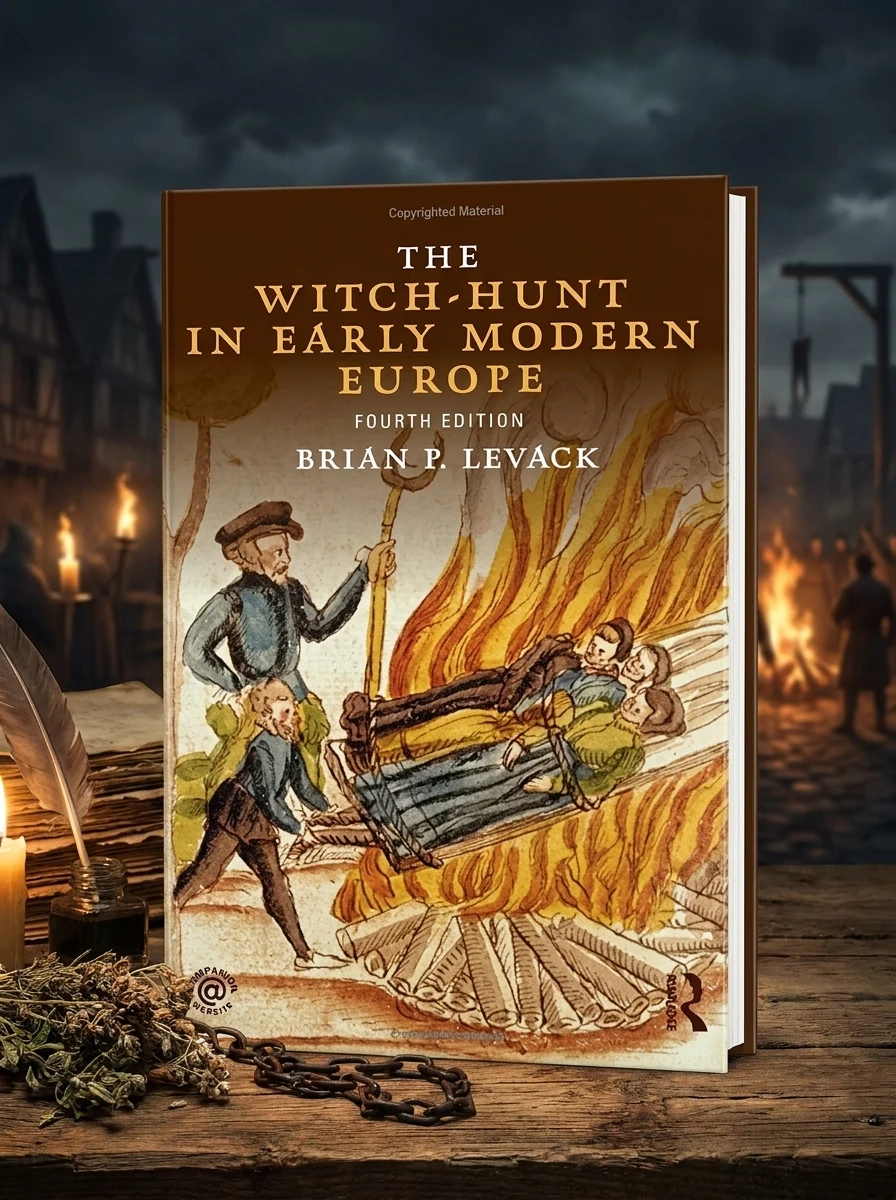
Delve into the complex and often terrifying history of early modern European witch hunts with this definitive work by a renowned authority. Brian Levack meticulously surveys the period, offering an accessible entry point for newcomers while integrating the latest scholarly insights for seasoned researchers. This updated edition explores new facets like child accusations, gender dynamics, male involvement, and demonic possession, alongside a broadened geographical analysis, revealing patterns and distinctions across various regions and kingdoms. It's an essential guide to understanding this dark chapter of human history.
This work anchors itself in the rigorous historiography of early modern Europe, dissecting the societal and legal mechanisms that fueled the witch hunts. It serves as a critical scholarly resource within the broader field of esoteric history and religious studies.


📝 Description: The Witch-Hunt in Early Modern Europe
💎 Expert review
📖 Why choose it
Why this book is worth reading
This book is an essential guide for anyone seeking to understand the dark chapter of human history defined by early modern European witch hunts. It offers a chilling truth behind these events, making it accessible for newcomers while providing depth for seasoned researchers. Readers will gain insight into complex dynamics like gender, child accusations, and male involvement across various regions. The updated edition broadens geographical analysis, revealing patterns previously obscured. Whether you are interested in the legal frameworks or the social terror of the era, Levack’s definitive work provides a comprehensive survey that integrates latest scholarly insights, ensuring you grasp the full scope of this terrifying historical period.
⭐ Reader reviews
Reader rating
Levack delivers a meticulous survey that stands as a definitive authority on the subject. The text successfully bridges the gap between academic rigor and accessibility, making complex legal and social histories understandable without dilution. However, it does NOT suit readers seeking sensationalist ghost stories or supernatural validation; this is a historical analysis, not a mystical tome. Those looking for quick, superficial takes on witchcraft will find the detailed regional distinctions and scholarly integration of demonic possession theories too dense. It requires patience to navigate the broadened geographical scope and nuanced discussions of gender dynamics, rewarding only those willing to engage with serious historical inquiry rather than pop-culture interpretations of the occult.
❓ Frequently asked questions
📖 Who should read this
Whether you're new to the study of witch hunts or a seasoned scholar, this work is indispensable. It offers a clear, comprehensive overview for foundational understanding, alongside cutting-edge research and nuanced analysis for deeper exploration of this complex historical period.
🎯 Key themes and symbolism
Anatomy of Witchcraft Trials
This volume meticulously dissects the mechanisms and underlying beliefs that fueled the early modern witch hunts. It examines the legal frameworks, social anxieties, and cultural interpretations of magic and heresy that led to widespread accusations and prosecutions, providing a comprehensive understanding of how and why these events unfolded across Europe.
Gendered Accusations & Demonic Possession
Levack's updated research illuminates the significant role of gender in witch accusations, exploring the experiences of both female and male "witches." The book also delves into the pervasive belief in demonic possession, analyzing its influence on confessions, testimonies, and the judicial processes that defined this tumultuous era, offering fresh perspectives.
European Witchcraft: A Broad View
Beyond individual cases, the book offers a comparative geographical analysis of witch prosecutions across various European regions, cities, and kingdoms. This broad perspective helps readers identify unique local characteristics alongside common patterns, providing a nuanced understanding of the social, political, and religious factors that shaped the witch hunt phenomenon.
💬 Quotes from the book
“The witch-hunt was not a monolithic event but a series of distinct regional phenomena, each shaped by local legal traditions, social structures, and theological interpretations.”
“Understanding the early modern mindset, particularly its anxieties concerning divine order and social disruption, is paramount to grasping the rationale, however flawed, behind the persecutions.”
📜 Historical context
📚 Glossary
- Maleficium
- Demonic Pact
- Malleus Maleficarum
📔 Questions to reflect on
- How did the societal anxieties and religious beliefs of the early modern period contribute to the widespread acceptance and perpetuation of witch hunts?
- In what ways do modern understandings of gender, power, and justice offer new perspectives on the historical treatment of alleged witches?
- Considering the geographical variations discussed, what factors might explain why some regions experienced more intense witch persecutions than others?
✍️ More books by this author Levack, Brian P
All books by this author →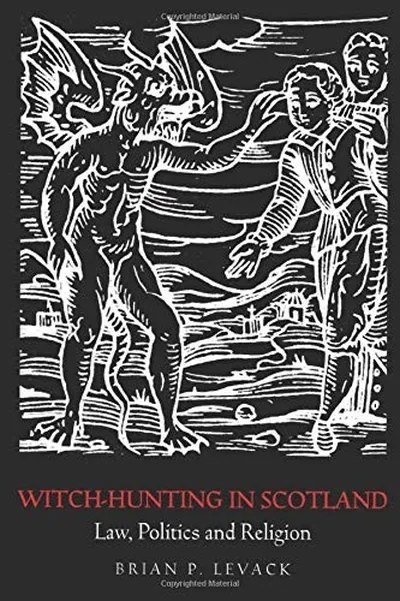
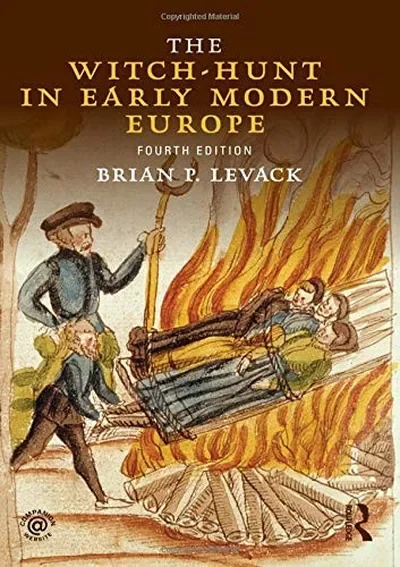
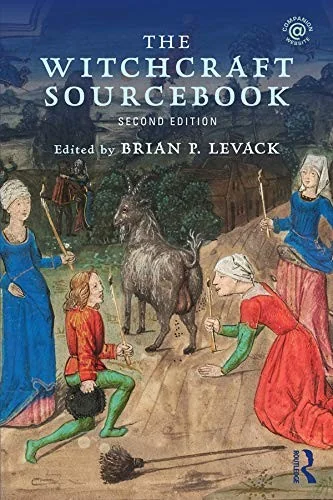
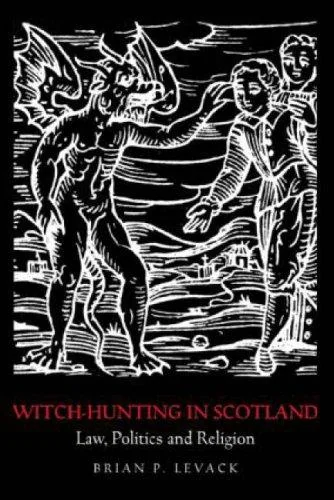
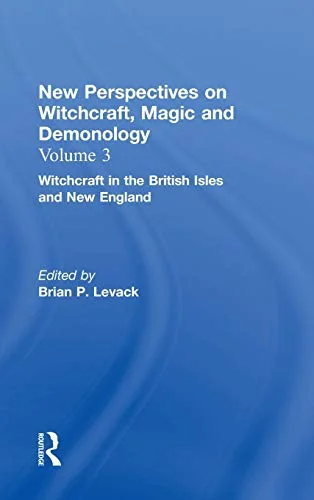
🏛 Books from this publisher Routledge
All books from this publisher →


 89
89


You might also like
See more →
 83
83

 82
82